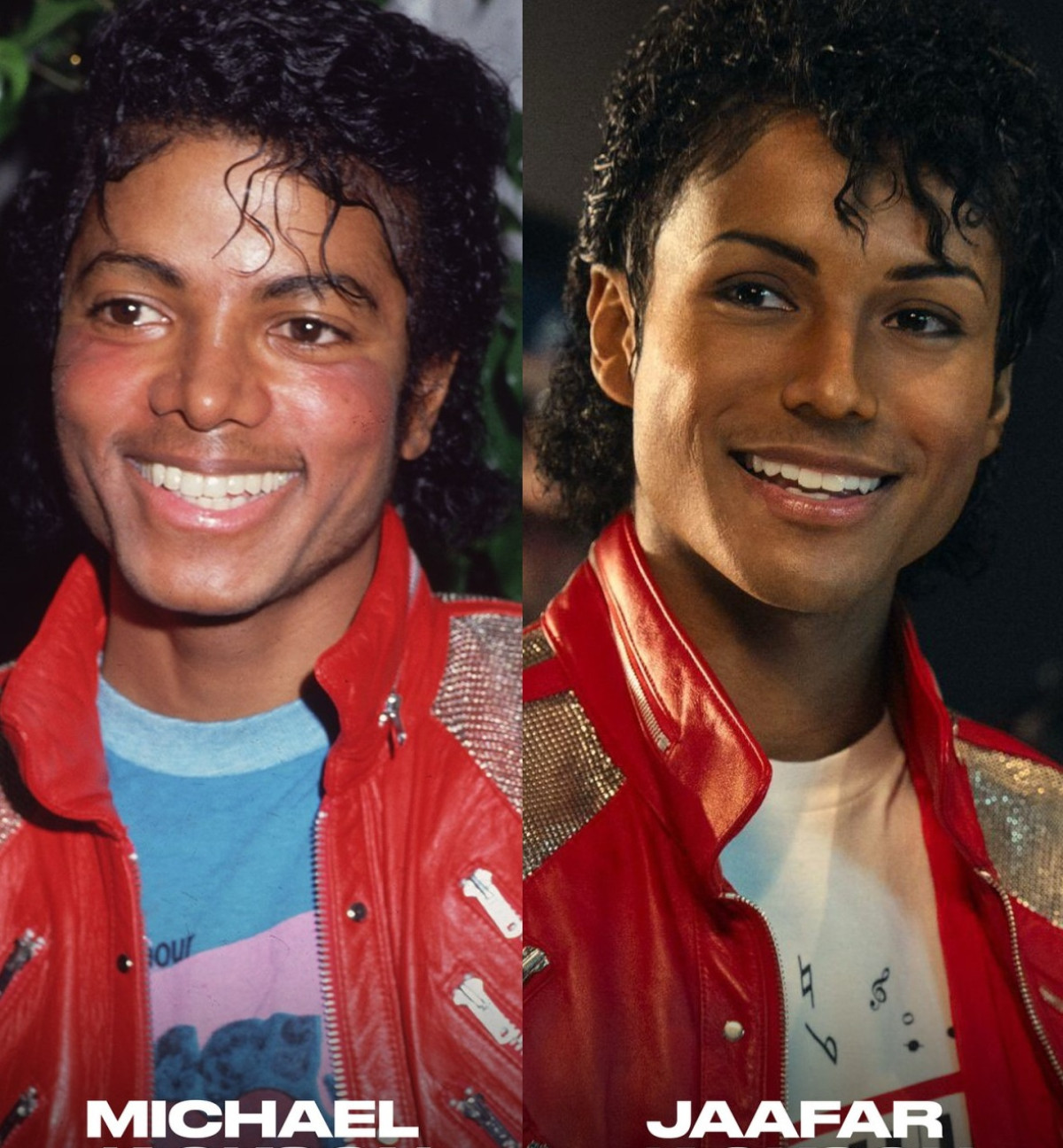
Jaafar is the son of Jermaine Jackson, who is Michael's older brother. That makes Jaafar Michael's nephew, not his son. Michael's actual children are Prince, Paris, and Bigi.
13
Sign up to see more
SignupAlready a member?
LoginBy continuing, you agree to Sociomix's Terms of Service, Privacy Policy
Jaafar is the son of Jermaine Jackson, who is Michael's older brother. That makes Jaafar Michael's nephew, not his son. Michael's actual children are Prince, Paris, and Bigi.
The original script apparently opened with the 1993 Neverland Ranch raid. Someone at Lionsgate then discovered that a clause in Jordan Chandler's settlement legally prevented any film from depicting him. The entire ending had to be rebuilt from scratch over 22 days of additional photography. That is why the movie ends in 1988 instead of 2009.
Creatine for cognitive performance under sleep deprivation is legitimately underrated and most people have no idea. I started using it about a year ago and the difference on short sleep nights is noticeable.
Hot take: the 32 percent Rotten Tomatoes score actually tells you more about what this film chose not to include than about what Jaafar delivers on screen. Two completely different conversations.
Jaafar Jackson plays Michael Jackson in the 2026 biopic Michael, and the story of how the 29-year-old newcomer landed the role is more interesting than the film itself. It started with a voice note. It involved a two-year global casting search with no formal auditions. It required Jaafar to keep the role secret from his own family for a full year. And it ended with his grandmother Katherine Jackson, the woman who knew Michael longest and loved him most, telling producers that her grandson didn't just resemble her son, he embodied him. After tracking every interview, behind-the-scenes video, and production report released since the film was announced, I can tell you that the choice of Jaafar was not nepotism, not a publicity play, and not the obvious pick everyone assumes it was. It was a hard-earned outcome of the most unusual casting process in recent biopic history, and here is how it actually happened.
This is the clearest possible example of why critic scores and audience satisfaction are measuring completely different things and why both metrics are legitimate depending on what you are looking for.
Okay but can we talk about how Bigang being unable to use inner power is actually the key to everything? The thing that made him worthless is the exact reason he survived the demons' experiments. That kind of narrative symmetry is rare in manhwa.
The Dokja and Joonghyuk dynamic is what got me completely hooked. The idea of someone knowing everything about a person before even meeting them, and then that person slowly realizing it, is such good dramatic tension.
The silence from production since the 2024 announcement is lowkey worrying me. No trailer, no studio confirmation, no release window. We are just supposed to trust the hype at this point?
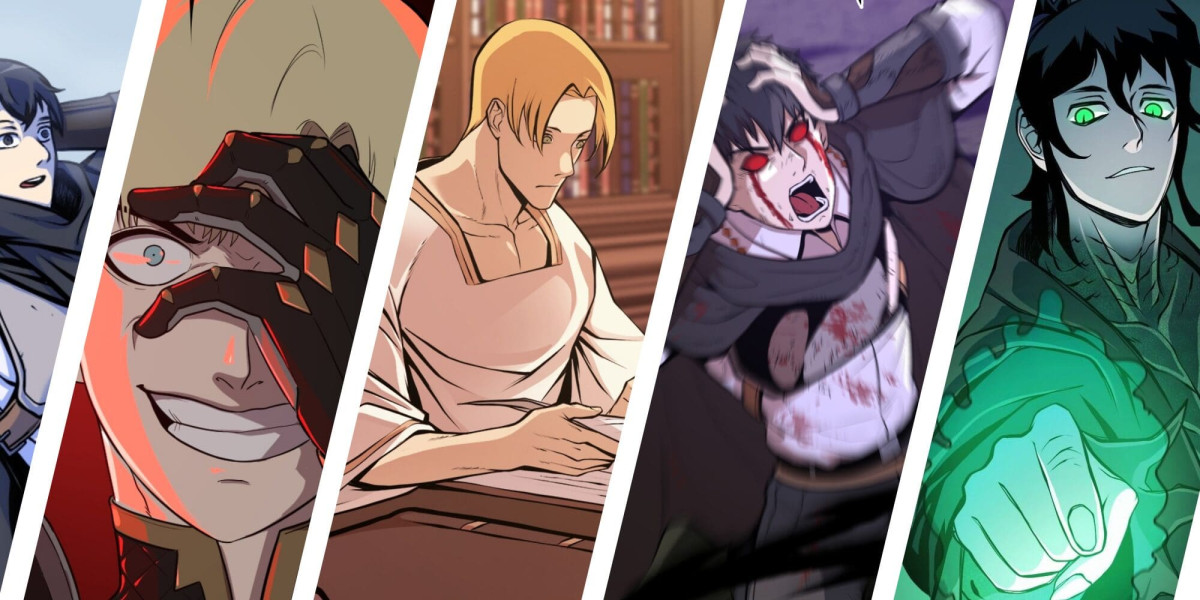
The year 2026 marks a pivotal moment in the evolution of manhwa as a medium. What started as a trickle of Korean comics receiving anime adaptations has become a flood, with at least fifteen confirmed projects bringing beloved manhwa to animated life. This explosive growth wasn't accidental but the inevitable result of Solo Leveling's massive success proving that manhwa adaptations can compete with traditional manga anime in quality, popularity, and profitability. Studios across Japan and Korea are investing heavily in manhwa properties, recognizing that Korean storytelling brings fresh perspectives, innovative premises, and built-in fanbases eager to see their favorite series animated. The diversity of genres receiving adaptations demonstrates that manhwa appeal extends far beyond action and fantasy into romance, psychological thriller, sports, and slice-of-life territories.
Hot take: the agency model is not dead but agencies that do not adapt to become AI orchestrators and quality assurance layers will absolutely be gone within five years.
The action item extraction is impressive when it works. The AI correctly identified who committed to what in three separate discussions during a product planning session and got it right each time. That surprised me.
Used ChatGPT to write out detailed app requirements first, then pasted everything into Lovable as the first prompt. Got dramatically better results than starting with a vague description. Preparation matters even with AI tools.
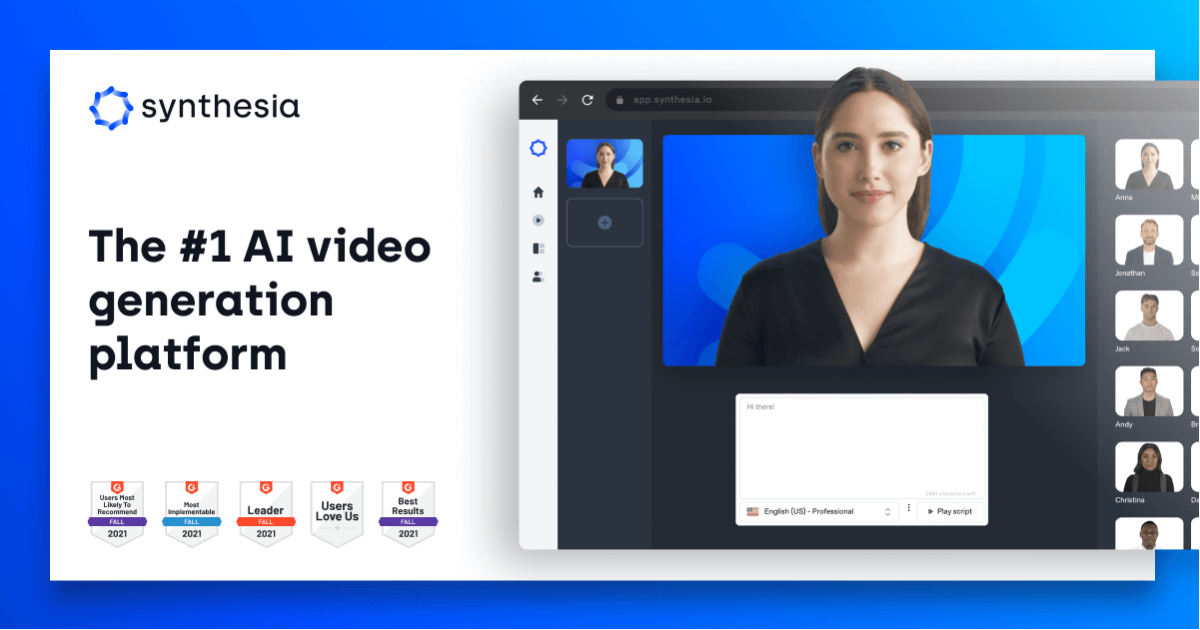
When a company raises $200 million in Series E funding during January 2026, investors are betting on more than potential. They're backing proven market demand and sustainable growth. Synthesia's funding round came alongside a 44% year-over-year increase in headcount to 706 employees, signaling aggressive expansion in a category the company essentially created: AI avatar-based video generation for enterprise training and communications. Corporate training videos have been expensive and slow to produce for decades. Recording a single 10-minute training module traditionally required booking a studio, hiring a presenter, scheduling a videographer, managing multiple takes, and editing everything together. If you needed to update information or translate content, you essentially started over. Synthesia eliminated this entire production workflow by replacing human presenters with AI avatars.
Not gonna lie, the glasswing butterfly naming is going to make this sound adorable in headlines and that is doing a lot of heavy lifting for what is actually a pretty alarming capability announcement.
The shopping mode integration is clever and slightly terrifying. Meta already knows what you like based on what you scroll past on Instagram. Now the AI can cross-reference that to recommend products. That is either extremely useful or extremely invasive depending on where you stand.
That shift toward capital intensity is a genuine concern for competition. The more AI depends on massive proprietary infrastructure, the harder it becomes for smaller players and startups to compete on anything like equal terms.
AWS already applying Mythos to critical internal codebases and finding additional opportunities even in well-tested environments tells you something important. These are codebases with dedicated security teams doing continuous review. And there were still more vulnerabilities.
Feature parity across platforms matters more to regular users than the think-pieces we write about it. People on Instagram were frustrated they could not edit comments when every other app let them. Now they can. That is the whole story for most people.
Every major operating system, every major web browser, thousands of vulnerabilities in a few weeks. At some point the honest conversation becomes not about whether AI changes cybersecurity but about how broken software has always been and how we built the entire digital economy on it.