
I appreciate articles like this one because the mainstream narrative around tech is so dominated by layoff anxiety that people miss the structural opportunities hiding right underneath it.
Sign up to see more
SignupAlready a member?
LoginBy continuing, you agree to Sociomix's Terms of Service, Privacy Policy

I appreciate articles like this one because the mainstream narrative around tech is so dominated by layoff anxiety that people miss the structural opportunities hiding right underneath it.
The panel composition discussion in the article glosses over how difficult it actually is to maintain spatial coherence across a fight with more than two combatants. Any scene with three or more people fighting simultaneously is a layout nightmare and Nano Machine handles it with almost casual competence.
This is either going to be a series people talk about for years or it is going to collapse under the weight of its own ambitions around chapter forty. The premise is rich enough to go either way and I am invested enough to find out which.
In a medium filled with talented artists producing stunning work, making a claim about any series having the "best" art feels bold. Yet Nano Machine consistently delivers combat sequences so fluid, detailed, and visually innovative that even readers who don't typically care about martial arts stories find themselves captivated by the sheer spectacle on display. The series combines traditional murim aesthetics with futuristic sci-fi elements, creating a unique visual identity that stands apart from typical cultivation manhwa. The nano machine implanted in protagonist Cheon Yeo-Woon's body doesn't just give him power. It becomes a storytelling device that allows the artist to visualize techniques, energy flows, and combat analysis in ways other series can't replicate.
Speaking from experience reading manhwa before adaptations, the series that adapts worst are always the ones with the strongest visual identity in the webtoon. Gosu's line work is so distinctive it will be hard to translate.
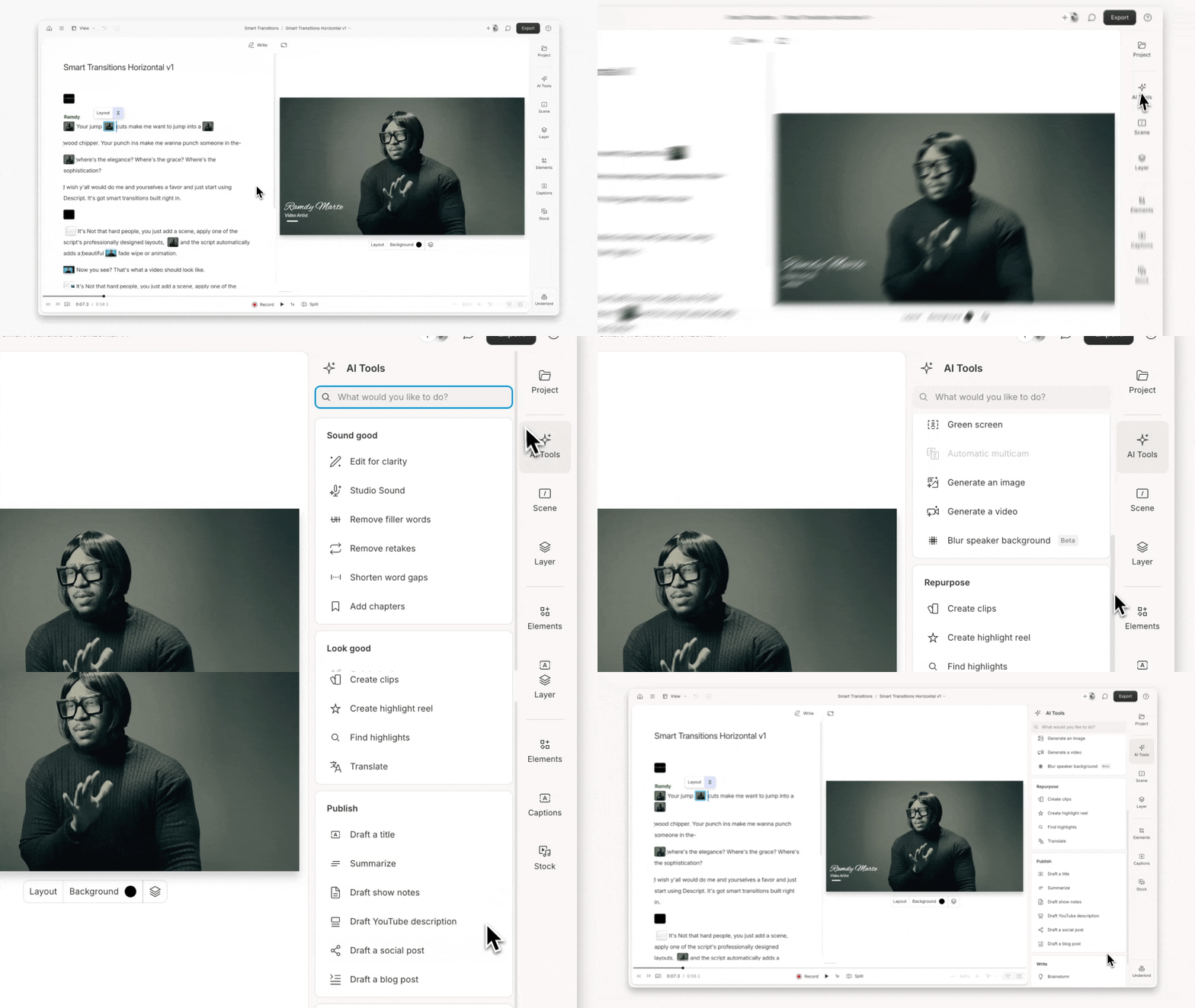
Most people can edit a Google Doc. Delete some words, rearrange sentences, fix typos, add paragraphs. It's intuitive and requires no special training. Now imagine editing video the same way. That's Descript's core innovation, and it transformed video editing from a specialized skill requiring expensive software into something anyone who can edit text can do effectively. Descript started as a transcription tool for podcasters. Record your podcast, upload it to Descript, and get an accurate transcript for show notes. But the founders realized something bigger. If you have a perfect transcript synchronized to audio, you can edit the audio by editing the text. Delete a word from the transcript and that word disappears from the audio. That insight became the foundation for a complete editing platform.
Speaking from experience building MVPs for clients, the bottleneck has never been writing code. It has been scoping, integrating APIs, and deploying without breaking things. If Agent 3 actually handles all three, that is a serious unlock.
Honestly the uncanny valley problem has mostly been solved for internal corporate use. Nobody expects a training video presenter to have the warmth of a live teacher. The standard is just professional and clear.
Casual reminder that the series has had multiple hiatuses already including one that lasted months between seasons one and two. Going in with patience management is genuinely useful advice.
While Synthesia leads in revenue, HeyGen leads in customer acquisition momentum with 152% year-over-year growth in mid-market adoption. That explosive growth rate allowed HeyGen to close much of the customer count gap by late 2025. The company is winning by making avatar video accessible to smaller teams and individual creators who cannot afford enterprise contracts but need professional video capabilities. HeyGen positioned itself for small and medium businesses, marketing teams, content creators, and solo entrepreneurs rather than enterprise learning and development departments. This market segment values affordability, ease of use, and creative flexibility over governance features and advanced integrations. Average contract values are roughly one-third of Synthesia's, reflecting this different customer profile.
I switched from ChatGPT Plus to Claude Max in February and the difference in quality for anything involving long documents or complex reasoning is not subtle. I get why enterprises are paying for this.
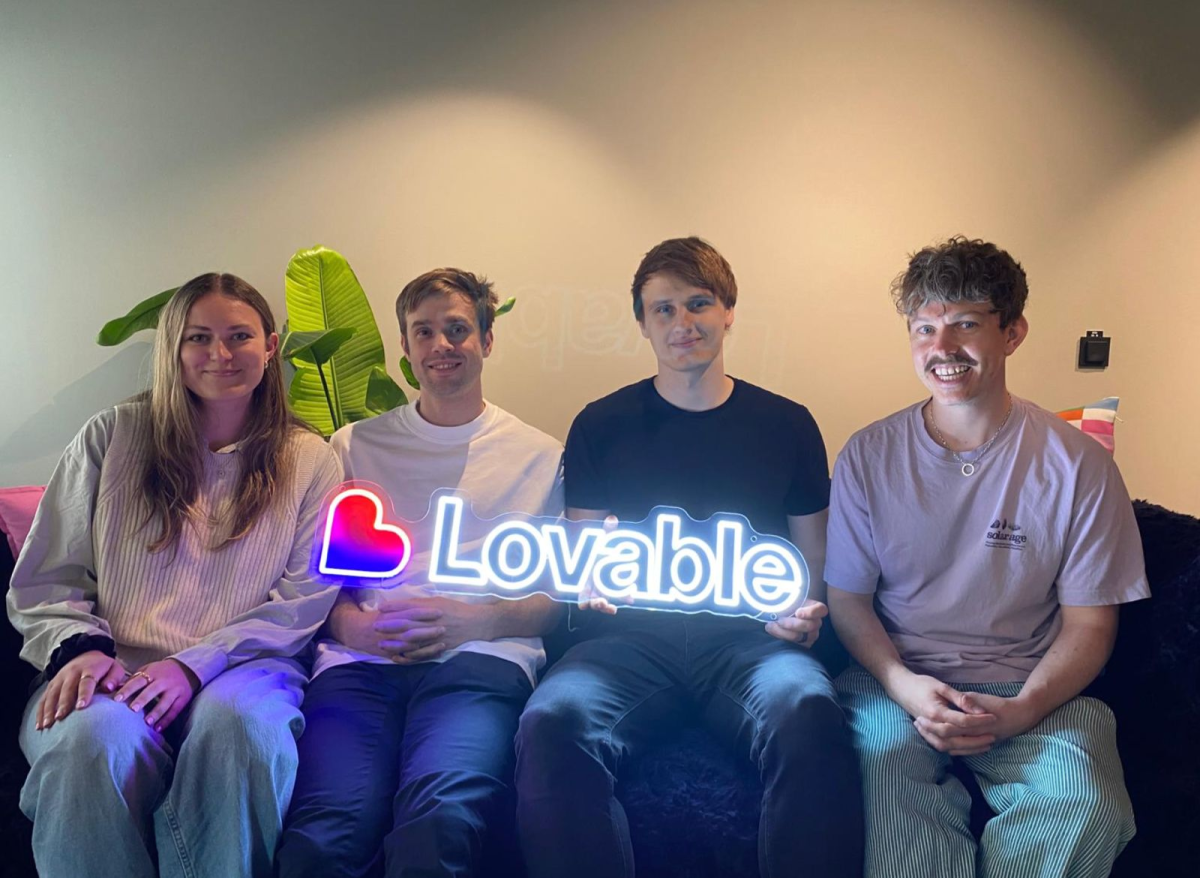
The software development world just witnessed something unprecedented. A European startup called Lovable reached $20 million in annual recurring revenue in just two months, making it potentially the fastest-growing startup in European history. But here's the twist that's making traditional software agencies nervous: they did it by giving non-technical founders the power to build full-stack applications without writing a single line of code. For years, the promise of no-code tools has been the same: anyone can build an app. But the reality has always been different. You'd create a beautiful frontend, get excited about your progress, and then hit the technical cliff. Suddenly you needed to configure databases, set up authentication, manage API keys, and deploy to servers. The "no-code" dream became a "hire-a-developer-anyway" nightmare.
The cybersecurity program finding thousands of zero days in weeks makes me simultaneously grateful Anthropic exists and terrified about what happens when a less careful organization builds something similar.
The 15 minute window is also smart from an abuse prevention standpoint. Bad actors who post something harmful and then try to edit it to look innocent after getting flagged have very little time to act before the window closes.
Crypto markets in 2025 are genuinely difficult to trade because you're managing Bitcoin spot moves, derivatives pressure, geopolitical news flow, and Fed policy all simultaneously. The complexity is a lot.
The comparison to the 2008 financial crisis keeps coming to mind. Complex systems nobody fully understands, interconnected in ways that amplify failure, and regulators arriving slightly too late to the party.
The bit about evolving into visible revision logs like collaborative tools is the future I actually want. Comment threads on big posts become almost like documents. Seeing the history of how a conversation changed would be fascinating and would hold people accountable.
Labeling an American AI company a supply chain risk when the legal framework for that designation was designed for foreign adversaries is either a policy stretch or a sign that the government is more alarmed than it is saying publicly.
Genuinely curious what a formal ambassadorial partnership between Meghan and Balenciaga would even look like. She is not a traditional celebrity brand partner and Piccioli does not seem like a traditional corporate deal kind of designer.
Tried recreating this but struggled with the bracelet stack. Any tips for keeping them from sliding around?