When Viral Lies Become Reality: The Hidden Mental Health Crisis Behind Celebrity Rumors

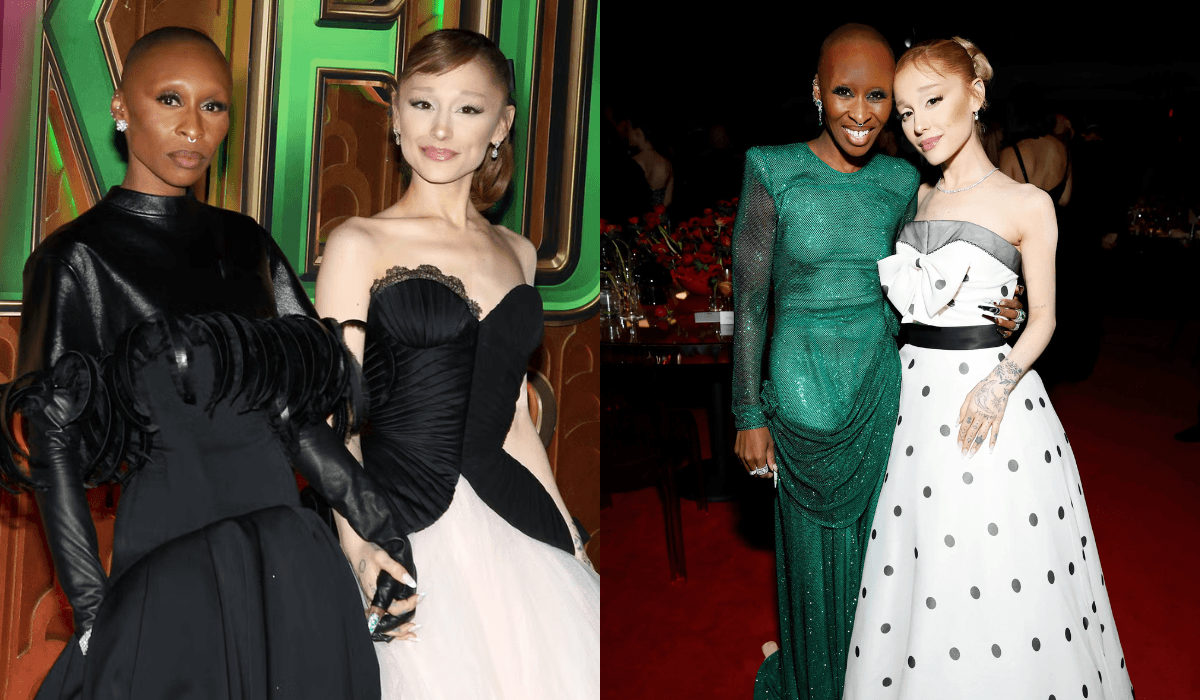
A fake relationship rumor about Ariana Grande and Cynthia Erivo spread across social media in early December 2025, falsely claiming the two actresses described themselves as being in a "non-demi-curious semi-binary" relationship. The story originated from a satire page called The Lamented, which explicitly describes itself as a place "where truth goes to die." Yet thousands of people shared it as fact, adding fuel to weeks of speculation about their friendship.
The rumor was absurd on its face. Neither Grande nor Erivo made any such statement. The terminology itself was nonsensical, a jumble of identity labels mashed together in a way that betrayed the creator's fundamental misunderstanding or mockery of LGBTQ terminology. But truth rarely stops viral content from spreading, especially when it concerns celebrities whose every gesture gets dissected and weaponized.
For Grande specifically, this latest fabrication adds another layer to an already overwhelming mental health burden. The 32 year old singer and actress has been remarkably candid about living with PTSD, anxiety, and depression following the 2017 Manchester bombing that killed 22 people at her concert.
She has shared brain scans showing the physical impact of trauma on her neural pathways. She has canceled meet and greets when her mental health reached crisis levels. Yet fake rumors continue manufacturing new crises for public consumption.
This cycle, where satire becomes misinformation which morphs into accepted narrative, represents a genuine threat to celebrity mental health that we rarely acknowledge seriously. We treat these rumors as harmless entertainment, gossip to pass the time. But for the people at the center of them, fake stories create real psychological damage that compounds existing vulnerabilities.
The Anatomy of How Misinformation Spreads
The fake Grande and Erivo relationship rumor followed a predictable pattern. The Lamented, previously operating under the more legitimate sounding name Wakefield News, posted the fabricated quote to Facebook. The satire disclaimer existed, but social media users rarely check source credibility before sharing. The post included photos of Grande and Erivo looking close and affectionate, images taken from their extensive Wicked press tour.
Those genuine photographs provided just enough plausibility for people predisposed to believe the rumor. Grande and Erivo had spent months promoting Wicked, often holding hands, embracing, and displaying the kind of physical affection our culture struggles to process platonically. Their emotional connection was obvious and genuine. The fake story simply took that reality and twisted it into something scandalous.
From Facebook, the rumor migrated to Instagram, then Twitter, then countless gossip forums and comment sections. Each share stripped away more context. By the time most people encountered it, the satire disclaimer was long gone. They saw only a headline and photos, which was enough to confirm whatever they already suspected or wanted to believe.
This pattern repeats constantly across celebrity culture. Research on misinformation spread shows that false information travels significantly faster and reaches more people than corrections. A study published in Science found that false news stories are 70 percent more likely to be retweeted than true stories. By the time fact checkers debunk a rumor, it has already shaped public perception.
The psychology behind why people share misinformation reveals uncomfortable truths. We don't share content primarily to inform. We share to signal identity, to entertain our networks, to participate in cultural moments. Truth becomes secondary to emotional resonance. The fake Grande and Erivo story offered narrative satisfaction, confirming suspicions that their friendship must be something more because women showing affection can't possibly be platonic.
Celebrity involvement makes misinformation particularly virulent. We maintain parasocial relationships with famous people, one sided connections where we feel we know them intimately despite never having met. This false intimacy makes us more susceptible to believing rumors because they feel like gossip about friends rather than strangers. Research shows people with strong parasocial attachments to celebrities are more likely to accept and share unverified information about them.
Grande's Documented Mental Health Struggles
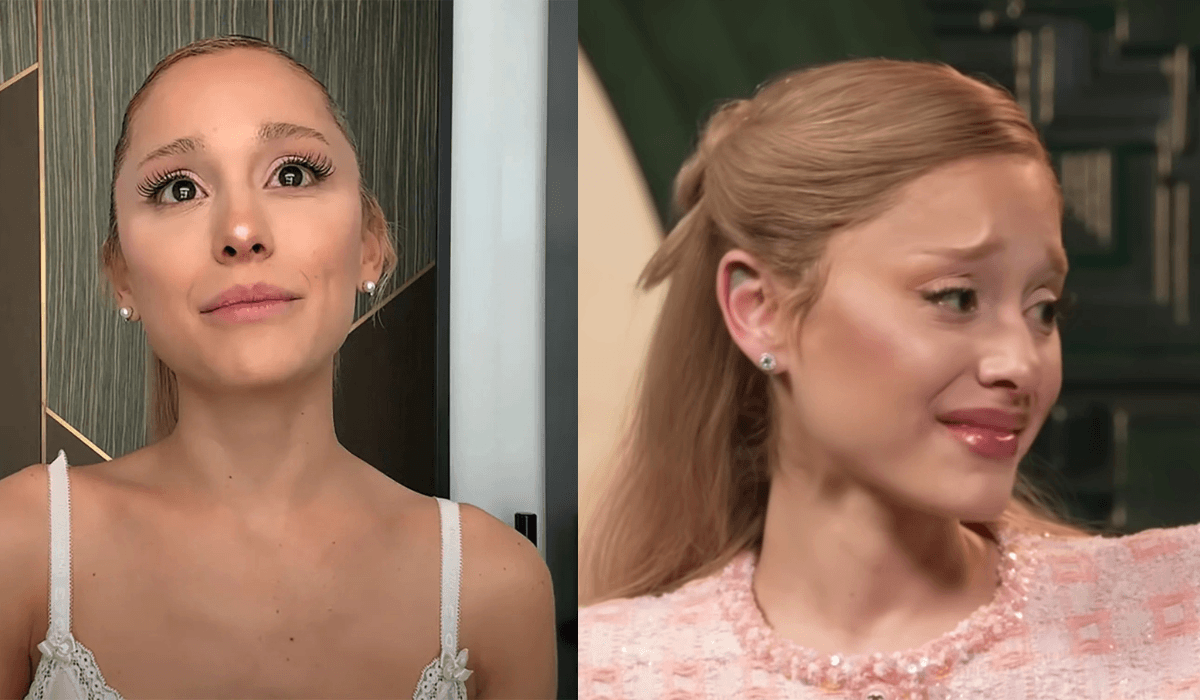
Understanding the impact of fake rumors on Ariana Grande requires understanding the mental health challenges she already navigates daily. Her openness about these struggles is commendable but also heartbreaking, revealing someone processing extraordinary trauma while living under constant public scrutiny.
The Manchester bombing in May 2017 fundamentally changed Grande's brain chemistry and psychological functioning. She described experiencing wild dizzy spells and breathing difficulties when she returned from tour. She had always dealt with anxiety, but the Manchester attack made it physical and unavoidable. The cognitive symptoms were so severe that she underwent brain imaging, which revealed the neurological impact of PTSD.
In April 2019, Grande posted one of those brain scans to Instagram, showing areas of heightened activity and damage consistent with post-traumatic stress. She wrote that seeing the physical reality of what was happening inside her brain was incredible to her, that someday when she was more healed she might discuss it further. The post sparked concern from fans worried she was overworking herself and not allowing adequate recovery time.
Grande later explained she had been doing intensive therapy while working on her albums Sweetener and Thank U Next, released just six months apart. Those albums were created during what she described as dark times. She was processing Manchester, the overdose death of her ex-boyfriend Mac Miller, and the collapse of her engagement to Pete Davidson. Everything was happening simultaneously while cameras documented her every reaction.
Her coping mechanisms include channeling energy through her hands, which explains the constant physical touch people obsess over during her Wicked press appearances. Grande explained this directly on Amy Poehler's Good Hang podcast. She's always holding a hand, always squeezing something, always reaching for physical connection. It's a grounding technique, a way to remain present in her body when anxiety threatens to pull her into spiral patterns.
This context makes the relationship rumors particularly cruel. Grande uses physical touch as a therapeutic tool, as many trauma survivors do. Grounding techniques that involve tactile sensation help bring anxious minds back to the present moment, interrupting rumination and panic. Mental health professionals widely recommend these strategies. Yet when Grande implements them publicly with Erivo, people weaponize it as evidence of romantic involvement.
The singer has also been extraordinarily vulnerable about body image struggles and eating disorder recovery. In 2023, she posted a TikTok video addressing weight loss speculation. She pointed out that people were comparing her current body to the unhealthiest version of her body, when she was heavily medicated with antidepressants, drinking, eating poorly, and at the lowest point of her life mentally. What the public considered her "healthy" appearance was actually peak illness. Her current smaller frame reflected genuine health and healing.
Yet commentary about her appearance continues relentlessly. During the Wicked press tour, speculation about her weight, her face, her alleged cosmetic procedures, and every physical detail dominated discussion. In December 2024, Grande shared an emotional interview clip where she described feeling like a "specimen in a petri dish" since age 16 or 17. She has heard every version of criticism about what's wrong with her. When she fixes one thing, it becomes wrong for different reasons. The scrutiny is constant, inescapable, and profoundly damaging.
The Compounding Effect of Relationship Speculation
Fake relationship rumors don't exist in isolation. They compound existing stressors and create new psychological burdens that celebrities must navigate while maintaining public personas. For Grande, the false Erivo relationship story adds to years of invasive speculation about every friendship, romance, and human connection she forms.
Her relationship with Ethan Slater, her Wicked costar who plays Boq, became tabloid fodder throughout production and promotion. The two began dating while both were ending their respective marriages, circumstances that invited endless judgment and speculation. Every time Grande and Slater appeared together, social media dissected their body language for evidence of relationship health or dysfunction. When Grande displayed affection toward Erivo, some speculated it meant her relationship with Slater was failing.
This constant surveillance makes authentic human connection nearly impossible. How do you maintain healthy friendships when every hug gets analyzed as romantic interest? How do you date when strangers feel entitled to judge your relationship timeline and circumstances? The pressure creates isolation, making celebrities reluctant to be photographed with anyone lest it spark new rumors.
Research on how relationship rumors affect mental health reveals significant impacts. Studies show that individuals subjected to false accusations about their romantic or sexual lives experience elevated anxiety, depression, and social withdrawal. The stress comes not just from the falsehood itself but from the impossibility of controlling the narrative once it spreads. You can issue denials, but denials often amplify attention rather than dampening it.
For celebrities in actual romantic relationships, fake dating rumors create additional strain. Sydney Sweeney revealed that manufactured dating rumors with costar Glen Powell, strategically created to promote their romantic comedy Anyone But You, took a psychological toll.
The speculation coincided with Powell separating from his longtime partner, and the blurred lines between fiction and reality created genuine pain. Celebrities who participate in relationship marketing while actually in committed partnerships perpetuate unhealthy images of loyalty in their real relationships.
The Grande and Erivo speculation connects to broader cultural problems with how we perceive female friendship. Society struggles to accept intimate platonic bonds between women without sexualizing them. When men display physical affection, sports fans celebrate their camaraderie.
When women do the same, people immediately question whether they're secretly lovers. This double standard makes it nearly impossible for women in the public eye to have close friendships without facing invasive speculation.
The viral "holding space" moment from their Wicked press tour illustrates this perfectly. Journalist Tracy Gilchrist, interviewing for Out magazine two days after the 2024 election, told Erivo that LGBTQ people were "holding space" with the lyrics of Defying Gravity and finding power in them. Erivo became visibly emotional. Grande, confused but supportive, gently held Erivo's finger.
The moment went massively viral, spawning countless memes. Grande later admitted she had no idea what any of it meant. She didn't understand the first sentence and definitely didn't understand Erivo's response. She just knew something important was happening and wanted to be supportive. Her instinct was to provide comfort through touch, her established grounding mechanism. The gesture was pure, authentic, and completely platonic.
Yet countless people interpreted that finger hold as definitive proof of romantic involvement. They analyzed frame by frame, looking for signs of hidden attraction. Some claimed Grande looked uncomfortable, forced into physical contact she didn't want. Others insisted the chemistry was undeniable evidence of secret love. Nobody seemed willing to accept the simplest explanation, that two women who worked intensely together for years had formed a genuine friendship involving physical affection.
When Satire Becomes Weaponized
The Lamented's fake relationship post represents a particularly insidious form of misinformation because it hides behind satire labels. The page's description clearly states it publishes unreliable stories and nonsense. But that disclaimer functions as legal protection more than ethical guardrail. Once content leaves the original platform, the satire label disappears, leaving only the false claim.
This pattern has accelerated dramatically in recent years. Pages that previously masqueraded as legitimate news outlets now openly identify as satire while still creating content designed to deceive. The Lamented formerly operated as Wakefield News, a name deliberately chosen to sound like a real journalistic organization. After building an audience, it rebranded with a satirical name but retained the followers who believed it was genuine news.
The fake Grande and Erivo terminology reveals the post's true purpose. "Non-demi-curious semi-binary" isn't clever satire. It's mockery of LGBTQ identity labels, creating a nonsensical phrase that sounds like actual queer terminology to people unfamiliar with it. The goal isn't humor. It's to make LGBTQ identity itself seem ridiculous and confusing, using Grande and Erivo as vehicles for that message.
This weaponization of satire to spread harmful narratives about real people raises serious ethical questions. Should platforms allow pages that consistently generate misinformation simply because they include satire disclaimers? Do creators bear responsibility for how their content spreads once it leaves their control? Are there limits to what can be claimed about real people under the guise of parody?
Legal frameworks struggle with these questions. Satire and parody enjoy protected status under free speech doctrine. But those protections were designed for political commentary and artistic expression, not for manufacturing fake quotes and attributing them to celebrities for engagement farming. The current system allows bad actors to profit from deception while facing no consequences.
The psychological impact on targets of fake satire is real and measurable. Studies on the mental health effects of false rumors show increased anxiety, depression, and trauma symptoms among people who become subjects of viral misinformation. The harm doesn't diminish because the original source claimed to be joking. By the time victims encounter the rumor, it has traveled through dozens of channels, accumulating perceived legitimacy with each share.
The Invisible Toll on Mental Health
What makes celebrity misinformation particularly insidious is how it compounds existing mental health vulnerabilities while remaining invisible to the public. We see the glamorous performances, red carpet appearances, and professional success. We don't see the panic attacks before events, the therapy sessions processing viral speculation, or the medication adjustments required to function under relentless scrutiny.
Grande has been unusually transparent about these hidden struggles. During her Sweetener World Tour in 2019, she canceled multiple meet and greets, telling fans via Instagram Stories that her depression and anxiety were at all time highs. She needed to preserve her mental health enough to perform, which meant eliminating optional interactions that increased stress. Fans expressed support, but she still faced criticism for disappointing people who had paid extra for the meet and greet experience.
Her coping strategies reveal someone fighting constantly to maintain stability. She travels with her rescue dogs, who provide emotional support and grounding. During one European tour stop, she arranged for her dogs to fly to Birmingham three hours before she arrived, ensuring they would be settled when she got there. Staff member confirmed the dogs help calm her nerves and manage anxiety. They get their own room at hotels, personalized treats, specialized care, everything needed to keep them comfortable so they can keep Grande regulated.
The physical manifestations of her PTSD remain ongoing. She described experiencing dizzy spells so severe she couldn't breathe properly. She developed hypervigilance, constantly scanning environments for threats. Loud noises trigger panic responses. Crowds feel dangerous even when they're fans expressing love. These symptoms don't disappear because she's successful or beloved. Trauma rewires the nervous system in ways that persist despite conscious knowledge that you're currently safe.
Now imagine navigating those symptoms while fake rumors about your relationships circulate globally. Every time Grande checks social media, she risks encountering speculation about her sexuality, her friendships, her romantic life, all treated as public property available for debate. The Manchester attack taught her that crowds can be genuinely dangerous. Relationship rumors teach her that human connection invites invasive scrutiny. Both lessons reinforce isolation and hypervigilance.
The incident at the Wicked Singapore premiere underscores these ongoing safety concerns. A person known as "Pyjama Man" jumped a security barricade and grabbed Grande without consent. She looked visibly terrified. Erivo immediately intervened physically, yelling "Get off her!" until security removed the person. The incident went viral, with some corners of the internet bizarrely reframing Erivo's protective response as evidence of controlling behavior rather than appropriate defense of someone being assaulted.
That moment crystallizes the impossible position celebrities occupy. Grande experienced a traumatic security breach that would frighten anyone. For someone with existing PTSD, it was likely triggering in the clinical sense. Yet people analyzed her fear not with empathy but with suspicion, using it to construct narratives about her relationship with Erivo. Even her trauma becomes content, another data point in speculation she never consented to participate in.
The Parasocial Relationship Trap
Understanding why fake celebrity rumors spread so effectively requires examining parasocial relationships, the one sided emotional connections people form with public figures. These relationships feel real and intimate despite being fundamentally unbalanced. We know details about celebrities' lives. We watch them navigate breakups, health crises, professional triumphs. They feel like friends, which makes us believe we understand them and can interpret their behavior accurately.
Social media has intensified parasocial connections exponentially. Grande maintains an Instagram following over 18 million people. Those followers see curated glimpses of her life: rehearsal videos, behind the scenes photos, personal reflections. Each post strengthens the illusion of mutual relationship. Fans comment as though Grande will personally read their thoughts. They offer advice as though they understand her situation comprehensively.
Research on parasocial relationships reveals concerning patterns. People with strong parasocial attachments to celebrities report lower satisfaction in their actual romantic relationships. They invest emotional energy into one sided connections that can never reciprocate. They become defensive of celebrities as though defending personal friends, attacking anyone who criticizes them. They also feel entitled to information about celebrities' private lives, viewing secrecy as betrayal.
This dynamic makes celebrity mental health uniquely vulnerable. When millions of people feel personally connected to you, their collective emotional investment creates enormous pressure. You're not just disappointing strangers when you cancel an event or set a boundary. You're disappointing people who feel they know you, who have invested time and emotion into supporting you. That weight becomes psychologically crushing.
The fake relationship rumor activates parasocial dynamics on multiple levels. People who feel connected to Grande want to believe they can interpret her feelings from photographs and videos. They notice her holding Erivo's finger and construct elaborate theories about what it means. They're not malicious. They genuinely believe they're reading authentic signals because the parasocial relationship makes them feel like experts on Grande's emotional life.
Other fans become protective, defending Grande against speculation they perceive as invasive. Twitter threads debate whether analyzing her body language constitutes harassment. Some argue that celebrities sacrifice privacy by choosing public careers. Others insist that basic human dignity requires respecting boundaries regardless of fame. These debates rage while Grande herself has no control over or input into them.
The paradox is that celebrities helped create these dynamics, or at least their teams did. Social media presence is professionally necessary. Sharing personal moments builds brand loyalty and maintains relevance. The most successful celebrities master the art of strategic vulnerability, revealing enough to feel accessible while protecting their actual private lives. But the line between professional sharing and exploitation blur constantly. Fans can't distinguish which moments are authentic versus performed, so they treat everything as data for analysis.
The Amplification Cycle That Makes Corrections Invisible
One of the cruelest aspects of celebrity misinformation is how corrections fail to reach the audiences that absorbed the original false narrative. The fake Grande and Erivo relationship rumor was thoroughly debunked by fact checking organizations. Lead Stories published a detailed article explaining the satire source and confirming neither actress made any such statement. The correction included screenshots of The Lamented's satire disclaimer and timeline of how the rumor spread.
Yet that fact check reached a tiny fraction of the people who encountered the original rumor. Social media algorithms prioritize engaging content, and corrections are rarely engaging. People who want to believe the rumor won't seek out fact checks. People who shared it won't see corrections unless specifically tagged. The false narrative becomes accepted reality for thousands or millions while the truth languishes in obscurity.
This pattern repeats across celebrity misinformation. Tom Holland faced a bizarre 2022 rumor claiming he had frozen to death after falling into a well. The story was completely fabricated, easily disproven by Holland's continued public appearances. Yet the rumor spread widely enough that many people still vaguely remember hearing something about Holland dying, even if they can't recall the details. The correction never achieved the same viral penetration as the original lie.
The psychological term for this phenomenon is the "continued influence effect." Even after misinformation gets debunked, it continues influencing people's beliefs and behaviors. Researchers have found that people often remember the false claim while forgetting the correction. The emotional impact of the original story lingers even when people intellectually know it was false.
For celebrities like Grande who already struggle with anxiety and PTSD, this creates a nightmarish situation. She knows false rumors are circulating. She knows many people believe them. She has no effective mechanism to correct the record for everyone who encountered the misinformation. The impossibility of controlling the narrative feeds anxiety about public perception, which in turn reinforces mental health symptoms.
Some celebrities attempt to address rumors directly through social media. Grande has done this regarding body image speculation, sharing TikTok videos explaining her weight and appearance changes. But direct responses often backfire, generating new cycles of speculation and criticism. People accuse her of being too sensitive or question why she's "feeding the trolls." Others analyze her denials for hidden meanings. Nothing she says achieves the desired effect of simply being believed and having boundaries respected.
The alternative, remaining silent, feels equally impossible. Silence gets interpreted as confirmation. If she doesn't deny the fake relationship rumor, people assume it must be true or partially true. The choice becomes whether to engage with misinformation and risk amplifying it, or ignore it and watch false narratives become accepted fact. Neither option protects mental health or personal dignity.
What Research Reveals About Misinformation and Mental Health
Academic research on the intersection of misinformation and mental health has accelerated in recent years, revealing concerning patterns about how false information impacts psychological wellbeing. Studies consistently show that being the subject of rumors, even obviously false ones, creates measurable mental health impacts including increased anxiety, depression, social withdrawal, and trauma symptoms.
A 2024 study published in the Journal of Research in Interactive Marketing examined how viral misinformation about influencers spreads on TikTok and Instagram. Researchers found that heightened post virality actually reduces perceived deception among audiences. The more widely something spreads, the more people believe it must be true. Lower virality levels increase deception perceptions. This creates a perverse incentive structure where misinformation becomes more credible through sheer repetition and reach.
The study also found that social media users exposed to misinformation from celebrities or influencers are more likely to reshare that information, creating cascading amplification effects. Parasocial relationships drive this sharing. People trust celebrities they feel connected to, making them less critical of information those celebrities share or information about those celebrities.
Research on how fake news affects mental health more broadly shows that individuals experiencing stress, fear, or anxiety are particularly vulnerable to believing and spreading misinformation. A study on misinformation during the COVID pandemic found that people's pre-existing mental health conditions made them more susceptible to fake news because they were seeking information to reduce uncertainty. Celebrity misinformation exploits the same dynamic. Fans invested in celebrities' wellbeing want information about them, making them less critical when evaluating rumors.
The mental health impacts extend beyond celebrity targets to fans and audiences. Studies show that people with strong parasocial relationships who discover they've been deceived about celebrities experience feelings of betrayal and disillusionment. Their one sided emotional investment made the relationship feel real, so learning they believed false information about that person creates genuine psychological distress.
This creates a cascade of harm. Celebrities suffer from the invasion of privacy and loss of control over their narratives. Fans suffer from the confusion and manipulation of being misled about people they care about. The broader information ecosystem suffers as people become increasingly skeptical of all information, unable to distinguish truth from fiction.
The Role of Platforms in Enabling Harm
Social media platforms bear significant responsibility for how celebrity misinformation spreads, yet they have consistently failed to implement effective solutions. Facebook, Instagram, Twitter, and TikTok all claim to prioritize authentic content and combat misinformation. In practice, their algorithms reward engagement above accuracy, meaning false content often circulates more widely than corrections.
The Lamented operates openly on Facebook despite consistently producing content designed to deceive. The satire disclaimer provides legal cover, but the page's history of name changes suggests deliberate attempts to confuse audiences about its nature. Facebook's policies theoretically prohibit pages from impersonating news organizations, yet pages like The Lamented operate with impunity by adding satire labels after building audiences through deceptive tactics.
Instagram and Twitter enable misinformation spread through quote tweets and reshares that strip away original context. Someone screenshots The Lamented's post about Grande and Erivo, removes the satire disclaimer, and shares it as though it's genuine news. The post spreads through networks of users who never see the original source. By the time most people encounter it, all credibility signals have been removed.
Platform responses to celebrity misinformation remain inconsistent and reactive. High profile figures like Grande can potentially get false content removed through their management teams, but the process is slow and incomplete. By the time a platform removes specific posts, the rumor has already spread beyond their ecosystem. Smaller creators or less famous individuals have virtually no recourse when targeted by false rumors.
Recent policy changes have made the problem worse. Meta's decision in early 2025 to loosen fact checking policies means less misinformation gets flagged or removed. The company justified this by claiming fact checkers were biased and users should evaluate content themselves. In practice, this allows more false content to circulate freely while placing impossible burdens on individual users to verify every claim.
Mental health experts warn that current platform structures are fundamentally incompatible with protecting users' psychological wellbeing. Dr. Kathy Richardson, assistant professor of mental health counseling at Lebanon Valley College, describes social media as feeling like "the Wild Wild West right now" where it's increasingly hard to know what to believe. She emphasizes that finding reputable sources and looking to credentialed experts is more important than ever, but platform design makes that difficult.
The business model driving social media platforms rewards engagement above all else. Controversial content generates engagement. Misinformation generates engagement. Corrections and nuanced truth are boring, generating less engagement. Until platforms fundamentally restructure their incentive systems, they will continue enabling the spread of harmful false information regardless of stated policies.
Personal Perspective: The Empathy We Owe Each Other
Honestly, writing this piece has made me deeply uncomfortable with how casually we treat celebrity mental health. I've caught myself in the past speculating about celebrity relationships, analyzing red carpet body language, consuming gossip as entertainment. I never considered myself malicious. I thought it was harmless fun, victimless consumption of content celebrities put out there voluntarily.
But Ariana Grande didn't voluntarily put out a fake relationship rumor. She didn't consent to having her trauma symptoms analyzed as evidence of romantic involvement with Cynthia Erivo. She didn't agree to have her therapeutic grounding techniques, things she does to manage PTSD, turned into proof of secret lesbian love. These invasions happened to her despite her attempts to set boundaries and maintain privacy.
The fact that she's famous doesn't make her less human. Success and wealth don't create immunity to psychological harm. If anything, the hypervisibility that comes with fame probably makes mental health struggles more difficult to manage, not easier.
Imagine trying to heal from PTSD when every panic attack might be photographed and analyzed. Imagine working on eating disorder recovery while strangers debate your body in comment sections. Imagine navigating anxiety while knowing millions of people feel entitled to speculate about your private life.
Grande has shown extraordinary courage in being vulnerable about her mental health struggles. She's shared brain scans, discussed PTSD symptoms, admitted to canceling events when she couldn't cope. That transparency should inspire empathy and respect. Instead, it often invites more scrutiny, more analysis, more content creation using her pain as raw material.
The fake relationship rumor feels particularly cruel in this context. Grande has explicitly explained that she uses physical touch as a grounding technique for anxiety. She's with someone she trusts, so she reaches for their hand or holds their finger. It's a therapeutic coping skill, not a romantic gesture. Yet people weaponize that vulnerability, using her disclosed mental health needs against her to construct false narratives.
I'm also troubled by the gendered double standards on display. When male celebrities show physical affection with each other, we celebrate their bromance. Athletes hug, pat each other's butts, drape arms around shoulders, kiss each other's heads after victories. Nobody questions their heterosexuality or manufactures secret gay relationships. That same physical affection between women immediately gets sexualized and dissected for hidden meaning.
Grande and Erivo can't win. If they maintain physical distance, people would say they hate each other or their friendship is fake. When they show genuine affection, people say they're secretly lovers. There's no acceptable way for women to have close friendships with physical intimacy in the public eye without facing invasive speculation. That's misogyny dressed up as gossip.
The holding space moment particularly bothers me because it reveals how desperately we want to mock sincerity. Erivo had an authentic emotional response to learning LGBTQ people found power in Defying Gravity during a frightening political moment. That's beautiful. Grande offered support without fully understanding what was happening but recognizing her friend needed comfort. That's friendship. Yet both became memes, their genuine human connection reduced to content for mockery.
We've created a culture where earnestness gets punished. Crying during interviews means you're too emotional or performing for attention. Showing physical affection means you're secretly in love. Being honest about mental health struggles means you're looking for sympathy or making excuses. There's no way to be authentically human as a public figure without facing criticism and speculation.
What Needs to Change
Addressing the celebrity misinformation crisis and its mental health impacts requires systemic changes across multiple levels. Individual behavior matters, but structural problems demand structural solutions.
Social media platforms must fundamentally rethink their relationship to truth and harm. Engagement based algorithms that reward controversy need to be replaced with systems that prioritize accurate information. Satire pages that consistently generate deceptive content should face consequences beyond self-applied labels. The current approach, where platforms accept no responsibility for content they profit from distributing, is ethically bankrupt.
Fact checking systems need to be faster and more effective at reaching audiences that encountered misinformation. When a fake celebrity rumor goes viral, corrections should be algorithmically boosted to reach everyone who saw the original false claim. This would require platforms prioritizing accuracy over engagement, an unlikely shift given current business models.
Media literacy education needs to become universal. People should learn to evaluate sources, check credibility, distinguish satire from news, and resist the impulse to share unverified information. These skills should be taught in schools and reinforced throughout life. The current situation, where misinformation spreads faster than corrections, is unsustainable for both individual and societal mental health.
We also need cultural shifts in how we think about celebrity privacy and dignity. Famous people deserve the same basic respect we extend to strangers. Their struggles with mental health, relationships, body image, or any other personal matter shouldn't become public entertainment without consent. Success doesn't eliminate someone's fundamental humanity or right to boundaries.
Celebrities themselves face impossible choices about how much to share. Authenticity builds connection and career success, but vulnerability invites exploitation. Every disclosed detail becomes ammunition for speculation. Many are reducing social media presence or withdrawing entirely, which protects mental health at the cost of professional visibility. That shouldn't be a necessary trade off.
Legal frameworks need updating to address modern misinformation challenges. Current defamation law requires proving actual malice and demonstrable harm, an enormously high bar for public figures. Satire protections were designed for political commentary, not for generating fake quotes attributed to real people. The balance between free speech and protection from harmful falsehoods needs recalibration for the digital age.
Most importantly, we need more empathy. Before sharing something about a celebrity's private life, we should ask: Is this verified? Could sharing this cause harm? Would I want strangers speculating about my relationships or mental health this way? These simple questions could dramatically reduce misinformation spread if people actually practiced them.
Treating Celebrities as Human
The fake Ariana Grande and Cynthia Erivo relationship rumor is just one example in an endless stream of celebrity misinformation. It will be forgotten quickly, replaced by new false narratives about new targets. But for Grande, it added another layer to an already overwhelming mental health burden. It invaded her privacy, weaponized her trauma symptoms, and reinforced the reality that she cannot have authentic human connections without facing invasive speculation.
This matters not because Grande is special but because she's human. Mental health struggles don't discriminate based on fame or fortune. PTSD affects celebrities the same way it affects veterans and assault survivors. Anxiety doesn't care how many followers you have. Depression isn't impressed by your album sales or award nominations.
Grande has done remarkable work advocating for mental health awareness and trauma recovery. She's used her platform to normalize therapy, medication, and struggling publicly. That advocacy shouldn't make her more vulnerable to exploitation. Yet it often does, because every disclosed vulnerability becomes a new angle for content creation.
We have the power to change this pattern. We can choose not to share unverified rumors. We can question sources before accepting claims as fact. We can recognize that celebrities are humans deserving of basic dignity and respect. We can extend the empathy we hope others would show us if our most difficult moments became public entertainment.
The cost of our current approach isn't just measured in individual celebrity suffering, though that matters. It's measured in the broader erosion of truth, the normalization of cruelty, and the toxic culture where sincerity gets mocked and vulnerability punished. We're all diminished when we treat other people's pain as content, regardless of how famous those people might be.
Ariana Grande survived a terrorist attack. She lived through the death of someone she loved. She battles PTSD and anxiety daily while maintaining a demanding career. She deserves to hold her friend's finger for emotional support without it becoming evidence in a fake relationship scandal. That's not too much to ask. The fact that it feels revolutionary to suggest treating a celebrity with basic human decency reveals how broken our relationship with fame has become.