Why Shaun Weiss's Response To Tylor Chase Matters More Than Viral Sympathy

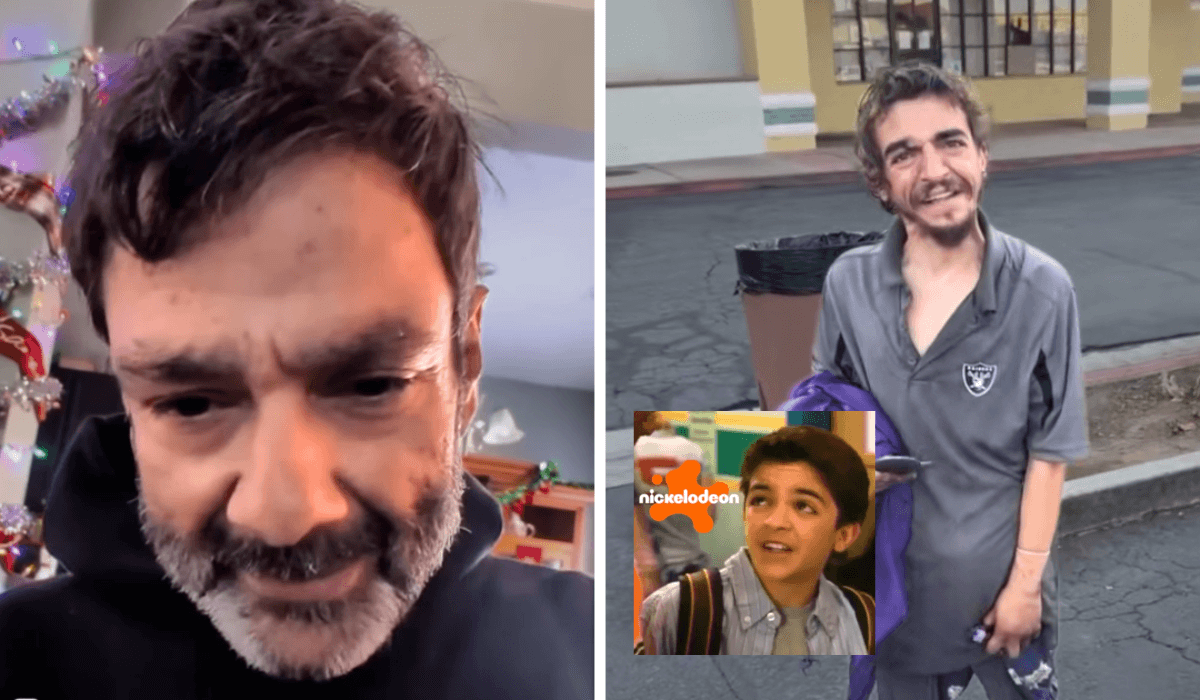
A video of former child actor Tylor Chase living on the streets of Riverside went viral this week, sparking the predictable wave of shocked comments, shared posts, and collective hand-wringing about what happens to child stars after fame fades.
But amid the thousands of people expressing sadness online, one person actually did something. That person was Shaun Weiss, and his response reveals an uncomfortable truth about how we engage with suffering in the age of social media.
The Difference Between Caring and Acting
When footage of Chase surfaced, millions saw it. Countless people left comments expressing sympathy or surprise at how far the Ned's Declassified School Survival Guide actor had fallen. Many shared the video, presumably to spread awareness. A GoFundMe appeared briefly before Chase's mother requested it be closed, explaining that her son needed medical help, not money from strangers on the internet.
Then Shaun Weiss stepped in. The Mighty Ducks star, who battled his own devastating methamphetamine addiction and achieved sobriety four years ago, posted a video with actual solutions. He contacted recovery facilities. He secured a bed at a detox center. He arranged long-term treatment. He publicly stated he was ready to help, and all that remained was locating Chase to connect him with these resources.
The contrast is stark. One group expressed concern and moved on with their day. One person identified a problem and created a pathway to address it. This distinction matters far beyond one viral video or one struggling actor. It speaks to how we've learned to perform empathy without taking responsibility for follow-through.
Why Having "Been There" Changes Everything
Weiss isn't just any concerned citizen offering thoughts and prayers. He understands addiction intimately because he lived it. His journey from beloved child actor to homeless, meth-addicted, multiple-arrest catastrophe was documented in painful detail across news outlets and social media. His 2020 arrest mugshot, showing him gaunt and missing most of his teeth, circulated widely as a cautionary tale about the perils of child stardom and addiction.
But Weiss didn't stay there. Through court-ordered treatment at Quest 2 Recovery, intensive dental reconstruction, sober living, and relentless commitment to his recovery, he transformed his life. His before-and-after photos are shocking not because they reveal how bad things got, but because they demonstrate how far someone can climb back. Today, he works as a recovery coach at the same facility that helped him, performs stand-up comedy about his experiences, and uses his platform to encourage others facing similar battles.
This personal history gives Weiss something no amount of general sympathy can provide: credibility. When he tells Chase that recovery is possible, he's not reciting platitudes. He's speaking from the trenches of an identical war. When he offers treatment resources, he knows exactly what Chase faces because he faced it too. That authenticity creates trust that well-meaning strangers simply cannot establish.
The Action Gap in Modern Compassion
Social media has created an illusion that raising awareness equals making a difference. We've convinced ourselves that sharing a tragic story or expressing outrage constitutes activism. But awareness without action is just noise. Knowing about a problem and doing nothing to solve it is arguably worse than never knowing at all, because it adds the weight of guilt without the redemption of meaningful contribution.
This isn't to say everyone must personally solve every problem they encounter online. That's impossible and would lead to immediate burnout. But there's a middle ground between doing nothing and solving everything, and we've largely abandoned it. We've replaced direct intervention with symbolic gestures that make us feel involved without requiring actual sacrifice or discomfort.
Consider the responses to Chase's situation. Devon Werkheiser, Chase's former Ned's Declassified costar, gave a thoughtful statement to TMZ acknowledging his former colleague's struggles. He expressed hope that someone with resources could help Chase. Werkheiser admitted he hadn't seen Chase in almost 20 years and noted that addiction is incredibly challenging if the person doesn't want help. All accurate, all compassionate, all ultimately passive.
Weiss, meanwhile, made calls. Found beds. Created a concrete plan. The difference isn't about who cares more. It's about who converted caring into actionable steps that might actually save a life.
The Unique Burden and Opportunity of Shared Experience
There's a reason recovery programs emphasize peer support. Alcoholics Anonymous uses sponsors who've maintained sobriety. Drug treatment facilities employ counselors who've battled addiction. Support groups for various traumas universally recognize that survivor-to-survivor connection creates healing possibilities that outsiders cannot replicate.
Weiss exemplifies this principle. His offer to Chase isn't charity from above; it's a hand extended from someone who clawed his way up the same cliff. He knows the shame that prevents people from reaching out. He understands how addiction burns through relationships until isolation becomes complete. He recognizes the mental health crises, the financial devastation, the way society writes you off once you become visibly broken.
More importantly, Weiss embodies the possibility of transformation. For Chase, struggling on Riverside's streets, seeing Weiss thriving after hitting similar depths provides something invaluable: proof that the climb is possible. Not theoretical proof from some therapist who studied addiction in textbooks, but living evidence from someone who survived the same nightmare and emerged intact.
This shared experience creates obligations some might find uncomfortable. If you've escaped hell and someone you recognize is still trapped there, walking away becomes morally complicated. Weiss seems to embrace this responsibility, using his platform and resources to help others still fighting battles he's won.
What We Get Wrong About Celebrity Struggles
The narrative around child stars and addiction has become so predictable it's practically cliche. We watch them grow up in the spotlight, speculate about the psychological damage, feign shock when things go wrong, and treat their downfalls as cautionary entertainment. Then we move on to the next one.
Chase and Weiss both fit this template. Both achieved success young. Both saw that success fade. Both struggled with addiction severe enough to cost them housing, health, and dignity. The difference isn't in how they fell but in what happened after they hit bottom.
Weiss benefited from a judge ordering him into treatment and a friend, Drew Gallagher, who refused to give up. Gallagher created a GoFundMe that funded Weiss's 90-day treatment program. He provided updates on Weiss's progress, celebrating milestones and maintaining public investment in the recovery story. That support network proved crucial to Weiss's transformation.
Chase apparently lacks that network. His mother shut down financial crowdfunding, stating he needs medical intervention. Devon Werkheiser hasn't spoken to him in two decades. Whatever friends or family connections Chase once had seem absent or unable to reach him. This isolation is common among people experiencing homelessness and addiction, but it's also solvable if someone with resources and understanding steps in.
The Power of Converting Empathy Into Infrastructure
Weiss's offer to Chase includes three critical components: immediate detox, long-term treatment, and an established pathway through both. This isn't vague goodwill; it's structured support designed to maximize success chances. The specificity matters enormously.
Too often, offers of help remain abstract. "Let me know if you need anything" sounds supportive but places the burden on the struggling person to identify and articulate needs. Someone in crisis, particularly someone dealing with addiction and mental health challenges, may lack the clarity or energy to navigate that request. Effective help removes barriers rather than creating new hoops to jump through.
By securing the detox bed and treatment facility placement in advance, Weiss eliminated the overwhelming logistics that often derail recovery attempts. Chase doesn't need to research facilities, call intake coordinators, or figure out payment. He just needs to show up. That removes enormous friction from an already difficult decision.
This approach also acknowledges a harsh reality: the window for helping someone in crisis is often brief. Motivation fluctuates. Circumstances change. The person ready to accept help today might refuse tomorrow. Having resources immediately available when someone expresses willingness can mean the difference between recovery and another lost opportunity.
Why We Should All Be More Like Weiss
The lesson here extends far beyond celebrity addiction stories. In every community, people face crises that overwhelm them. Some need financial help. Others need housing. Many need medical care, mental health treatment, or simply human connection. The needs are everywhere, and most of us have at least some capacity to address them.
Yet we've developed elaborate systems for avoiding direct action. We donate to charities, funding organizations to help on our behalf. We share information, hoping someone else will intervene. We express concern without committing to solutions. These aren't inherently wrong, but they've become substitutes for the harder, messier work of actually showing up.
Showing up means identifying specific needs and attempting to meet them. It means using whatever resources, skills, or connections you possess to create tangible change. It means accepting that helping is often inconvenient, uncomfortable, and uncertain. You might fail. The person might refuse help. Your efforts might not be enough. But trying creates possibilities that passive sympathy never can.
Weiss demonstrates this in action. He didn't need to help Chase. Nobody would blame him for maintaining healthy boundaries around his own recovery. Instead, he chose to extend the lifeline he once received, understanding that others helped him when he couldn't help himself. That cycle of survivor supporting survivor, recovered person reaching back for someone still struggling, creates networks of redemption that change individual lives and broader communities.
The Questions We Should Ask Ourselves
When you see someone suffering, do you simply feel bad and move on? Or do you assess whether you possess any ability to improve their situation? The answer doesn't need to be grand. Not everyone can secure detox beds and fund treatment programs. But most of us can do something.
Maybe it's connecting someone with information about available resources. Maybe it's making phone calls to find help they can't access alone. Maybe it's providing a meal, a place to shower, or just consistent human contact that reminds them they matter. Small actions accumulate into significant impact when enough people contribute.
The viral nature of Chase's video created a moment of collective attention. Millions became aware of his struggle. Yet that awareness means nothing if it produces only clicks and comments. Weiss understood this instinctively. He saw someone who needed help that he could provide, and he acted immediately. That's the standard we should measure ourselves against.
What Happens Next Matters Most
Whether Chase accepts Weiss's offer remains uncertain. Addiction treatment requires the individual's commitment, and nobody can force someone into recovery before they're ready. Weiss knows this from personal experience, acknowledging the importance of timing and personal readiness in his own journey.
But Weiss also knows that offers of help can plant seeds even if refused initially. Hearing "I see you, I've been where you are, and I'm ready to help when you're ready" creates a psychological anchor that might prove crucial later. People often refuse help multiple times before finally accepting. Having someone consistently available, without judgment, can eventually break through the shame and resistance that addiction creates.
The broader question isn't whether one specific person accepts one specific offer of help. It's whether we, as a society, will continue outsourcing compassion to social media posts and occasional donations, or whether we'll embrace the harder work of direct intervention. Will we be the people who care, or the people who act?
The Evergreen Truth About Human Connection
Decades from now, when the names and faces in this story have faded, the principle will remain relevant. People will always face crises beyond their individual capacity to resolve. Some will have support systems that help them through. Others will fall through the cracks. And in every case, the difference between survival and tragedy often comes down to whether someone with the ability to help chooses action over sympathy.
Shaun Weiss chose action. He used his experience, his connections, and his platform to create a real opportunity for someone in desperate need. Whether Tylor Chase takes that opportunity or not, Weiss did what most of us only talk about doing. He showed up. He offered concrete help. He proved that recovering from your own hell doesn't mean forgetting about people still trapped there.
That's the standard worth aspiring to. Not viral posts. Not performative concern. Actual, tangible, uncomfortable, risky action that might make a real difference. The kind that requires more than typing and sharing. The kind that might actually save a life.