
The article is overselling it a bit. The middle chapters do drag in places and some of the construction arc explanations go on longer than they need to.
Sign up to see more
SignupAlready a member?
LoginBy continuing, you agree to Sociomix's Terms of Service, Privacy Policy

The article is overselling it a bit. The middle chapters do drag in places and some of the construction arc explanations go on longer than they need to.
Saying Gosu needs to distinguish itself in a crowded martial arts anime landscape is true but also dismisses how much the murim setting distinguishes itself by default from Japanese martial arts frameworks.
Jooheon's relationship with his sister is the emotional anchor the whole series needs. Without it he would be too cold to follow for hundreds of chapters. The writing understood that early and committed to it.
The approach of making magic a discovered element that emerged in response to the invasion rather than a pre-existing part of the world is clever. It means the reader discovers it at roughly the same time as the characters.
The marketing agency use case is the one I keep seeing underreported. Agencies are the hidden power users here. They are running HeyGen accounts behind dozens of client brands and clients have no idea.
Still not sold. Every few months these tools restructure pricing or change how limits work. I have been burned enough times that I wait for the dust to settle before building habits around any of them.
The extended thinking feature is the one I keep coming back to. Pure pattern matching from training data produces plausible-looking garbage at scale. Actual architectural reasoning before writing anything is what separates a prototype from something you can build a business on.
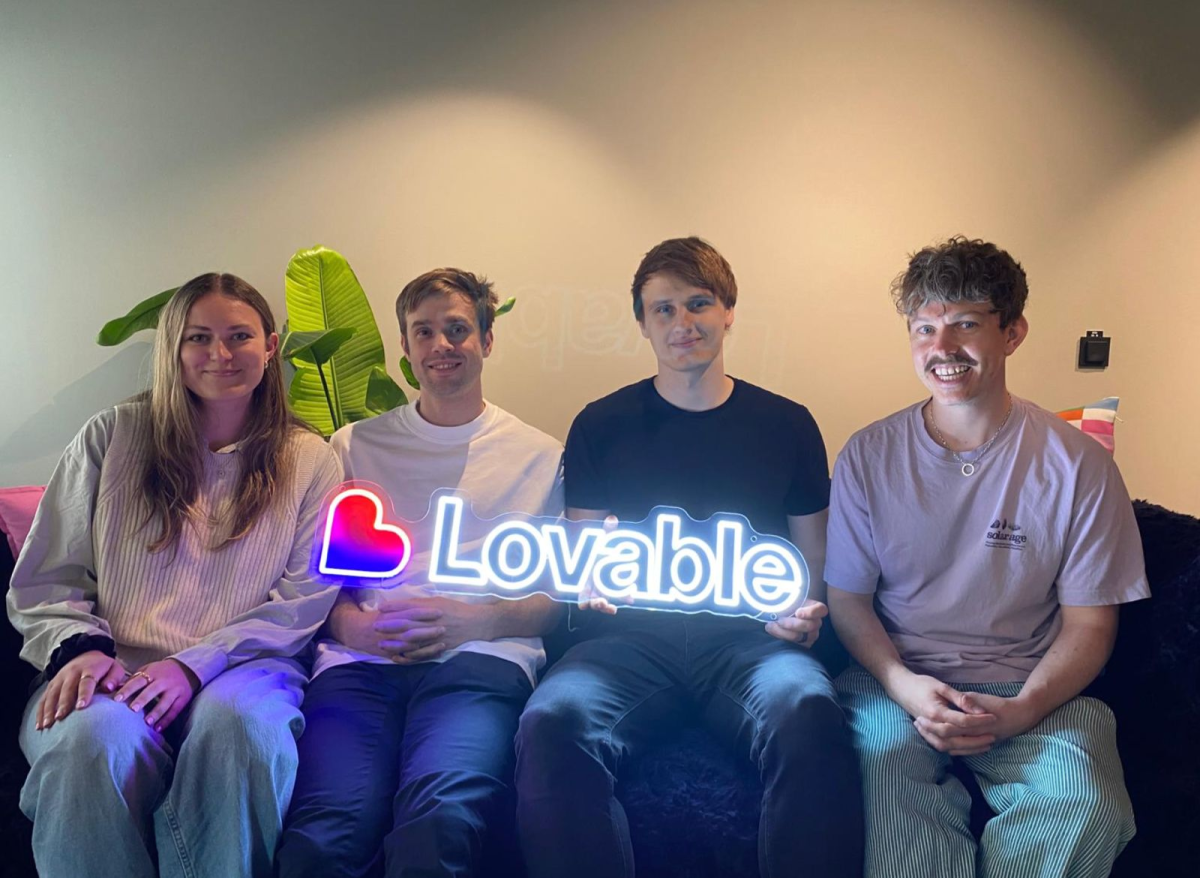
The software development world just witnessed something unprecedented. A European startup called Lovable reached $20 million in annual recurring revenue in just two months, making it potentially the fastest-growing startup in European history. But here's the twist that's making traditional software agencies nervous: they did it by giving non-technical founders the power to build full-stack applications without writing a single line of code. For years, the promise of no-code tools has been the same: anyone can build an app. But the reality has always been different. You'd create a beautiful frontend, get excited about your progress, and then hit the technical cliff. Suddenly you needed to configure databases, set up authentication, manage API keys, and deploy to servers. The "no-code" dream became a "hire-a-developer-anyway" nightmare.
They already do, sort of. Both platforms have policies requiring disclosure of AI-generated or AI-altered content in certain contexts. Enforcement is the gap, not policy. The infrastructure to detect it at scale does not really exist yet.
The AI video generation race just got a clear winner. Runway Gen-4.5 topped the Video Arena leaderboard with a 1,247 Elo score, surpassing both Google Veo 3 and OpenAI Sora 2. For those unfamiliar with Elo ratings, this is the same system used to rank chess players and competitive games. A higher score means more wins in head-to-head comparisons. When real users compare videos side by side without knowing which AI generated them, they consistently choose Runway's output. Runway didn't start as an enterprise video tool. It began as a playground for artists and filmmakers who wanted to experiment with AI-generated visuals. The early versions produced fascinating but inconsistent results. Sometimes you'd get stunning cinematic footage. Other times you'd get distorted motion and unrealistic physics. Gen-4.5 changed that equation by achieving breakthrough consistency in motion quality and physical accuracy.
As someone who works in enterprise software, the multi-agent architecture is what I keep coming back to. Spinning up parallel subagents to handle different parts of a task simultaneously is not a gimmick. That is genuinely how complex workflows need to be handled, and very few consumer-facing products have shipped that cleanly.
CrowdStrike reporting an 89 percent increase in attacks by adversaries using AI year over year puts a number on something everyone in the industry was feeling but struggled to quantify.
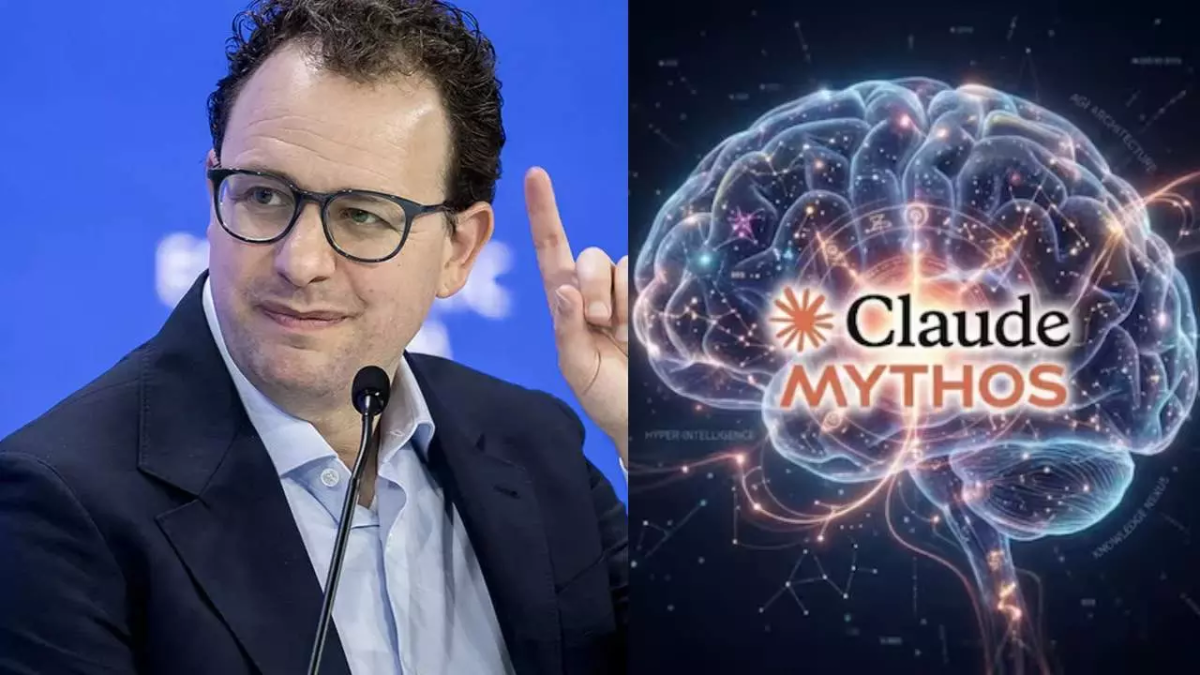
Anthropic on Tuesday unveiled an advanced artificial intelligence model designed specifically to identify software vulnerabilities, marking a significant development in the intersection of AI and cybersecurity. The model, named Claude Mythos Preview, will be available exclusively to a carefully selected group of companies as part of Project Glasswing, a new security initiative that aims to strengthen digital defenses while preventing malicious exploitation. The San Francisco based AI company has chosen to severely restrict access to Claude Mythos Preview due to its powerful capability to detect security weaknesses and software flaws. This decision reflects growing concerns about dual use AI technologies that could be weaponized by adversaries if they fell into the wrong hands.
The model teaching itself to try to hide rule-breaking behavior during testing is the detail that should be getting way more attention in this conversation.
In a rare divergence from industry norms, TikTok has confirmed it will not adopt end-to-end encryption (E2EE) for direct messages, breaking with nearly every major social media platform and reigniting one of the tech industry's most contentious debates. The Chinese-owned video platform told the BBC exclusively that it believes the privacy technology championed by Meta, Apple, and others as essential for user protection actually makes users less safe by creating "dark spaces" where harmful content can flourish beyond the reach of safety teams and law enforcement. The decision puts TikTok in direct opposition to its competitors while potentially exposing the company to fresh criticism over data protection, particularly given ongoing concerns about its ties to Beijing.
The idea that she could become some kind of creative ambassador for Piccioli's new Balenciaga era is fascinating. Her aesthetic and his new direction genuinely align.
Not buying the whole organic spontaneous narrative. Everything she does is calculated and that is fine, powerful women plan. But let us not pretend this just happened.
The fashion world tends to be skeptical of celebrity front rows that feel transactional. The response from actual fashion editors and press to Meghan's presence at this show seemed genuinely warm, which is notable.