The global shortage is sitting at hundreds of thousands of unfilled positions and the pipeline to fill them is still being built. That is either a crisis or a once-in-a-generation career opportunity. Probably both at the same time.
Sign up to see more
SignupAlready a member?
LoginBy continuing, you agree to Sociomix's Terms of Service, Privacy Policy

The global shortage is sitting at hundreds of thousands of unfilled positions and the pipeline to fill them is still being built. That is either a crisis or a once-in-a-generation career opportunity. Probably both at the same time.
One thing I keep thinking about is how the messenger's job literally involves carrying other people's words. She has her own voice but she is professionally devoted to delivering the speech of others. That parallel to her own suppressed history feels deliberate.
What the article calls typical BL visual conventions I would describe as genre literacy. Readers of BL manhwa recognize those conventions and the emotional shorthand they carry. The familiarity is not laziness. It is communication.
The article frames K's arc as moving from exploitation to genuine care and that is accurate, but it undersells how messy and uncomfortable that transition is. K is not a good person who learns. He is a complicated one who grows.
Starting this because my friend would not stop talking about it. Three chapters in and Lloyd's reaction to calculating profit margins from a drainage project genuinely made me laugh out loud.
The article nails it when it talks about combat fatigue being a real problem in long-running series. Nano Machine is well past two hundred chapters and I still get genuinely excited when a new fight starts. That does not happen with most murim series.
The webtoon having a satisfying ending confirmed is a huge deal for anyone nervous about committing to a long series. Go in knowing it sticks the landing.
Second Life Ranker hits different after you've read Solo Leveling because you appreciate just how much more emotionally grounded Yeonwoo's motivation is compared to Jinwoo's at the start.
The question the article raises about dying hundreds of times and losing what it means to truly live is answered so quietly and gradually in the narrative that you almost miss when the story makes its point. That subtlety is everything.
Four billion dollar company, UK based, founded in 2017. This is the kind of story that should be getting more attention as proof that European AI startups can compete at global scale.
The designer-developer relationship has been tense for decades. Designers create pixel-perfect mockups in Figma. Developers translate them to code and somehow everything looks slightly wrong. Fonts don't match. Spacing is inconsistent. Buttons have different corner radiuses. Both sides get frustrated, blame each other, and the product suffers. V0 by Vercel is fixing this problem by generating production-quality React components that look exactly like the designs. The rebrand from v0.dev to v0.app in January 2026 signaled expanded ambitions beyond just UI component generation. Vercel positioned the tool for full-stack web development, though its core strength remains frontend excellence. That strategic clarity matters because trying to be everything often means excelling at nothing. V0 chose to dominate the handoff between design and code before expanding into other areas.
The year 2026 marks a pivotal moment in the evolution of manhwa as a medium. What started as a trickle of Korean comics receiving anime adaptations has become a flood, with at least fifteen confirmed projects bringing beloved manhwa to animated life. This explosive growth wasn't accidental but the inevitable result of Solo Leveling's massive success proving that manhwa adaptations can compete with traditional manga anime in quality, popularity, and profitability. Studios across Japan and Korea are investing heavily in manhwa properties, recognizing that Korean storytelling brings fresh perspectives, innovative premises, and built-in fanbases eager to see their favorite series animated. The diversity of genres receiving adaptations demonstrates that manhwa appeal extends far beyond action and fantasy into romance, psychological thriller, sports, and slice-of-life territories.
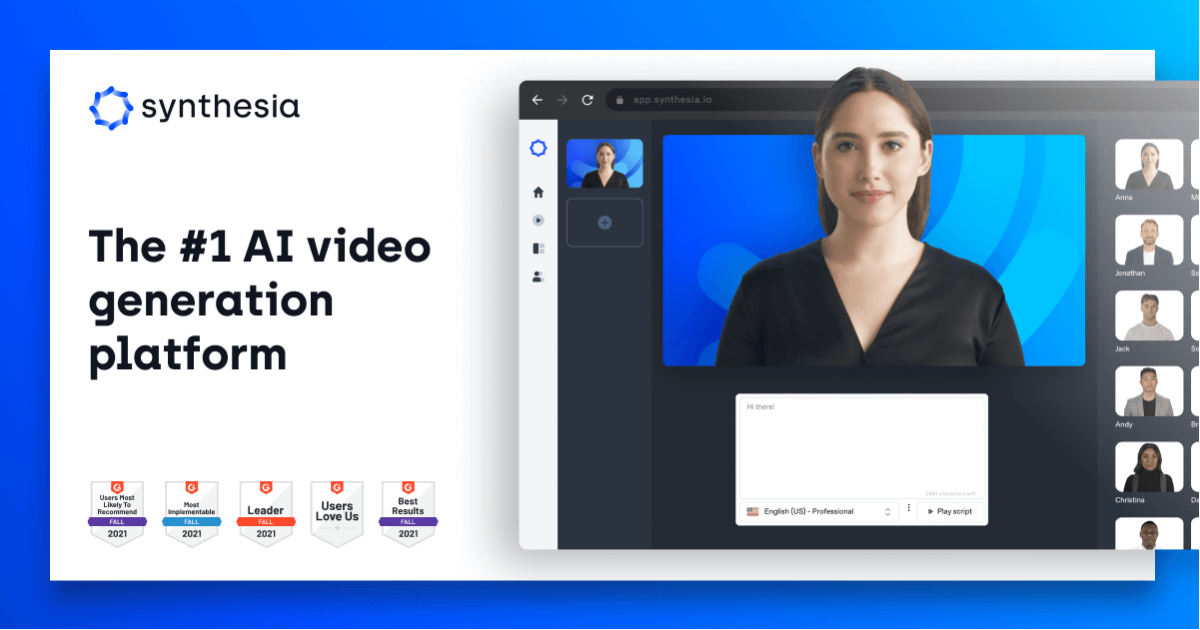
When a company raises $200 million in Series E funding during January 2026, investors are betting on more than potential. They're backing proven market demand and sustainable growth. Synthesia's funding round came alongside a 44% year-over-year increase in headcount to 706 employees, signaling aggressive expansion in a category the company essentially created: AI avatar-based video generation for enterprise training and communications. Corporate training videos have been expensive and slow to produce for decades. Recording a single 10-minute training module traditionally required booking a studio, hiring a presenter, scheduling a videographer, managing multiple takes, and editing everything together. If you needed to update information or translate content, you essentially started over. Synthesia eliminated this entire production workflow by replacing human presenters with AI avatars.
The accessibility point raised earlier deserves a full comment of its own. Generating visually beautiful components that fail WCAG standards is not shipping quality, it is shipping a liability. Run the audits every time without exception.
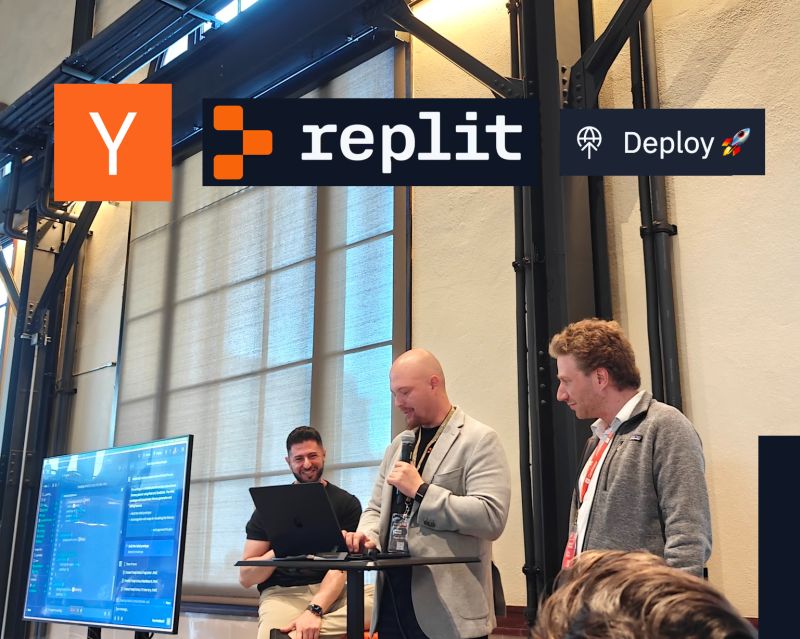
When a company's revenue jumps from $10 million to $100 million in nine months, you pay attention. When that growth comes from an AI agent that builds entire applications autonomously, you realize something fundamental just changed in software development. Replit Agent represents that change, and the numbers prove developers are ready for it. Replit started as a browser-based coding environment for education. Students could write Python or JavaScript without installing anything locally. Teachers loved it because setup time vanished. But the company saw something bigger. If you could run code in the browser, why not let AI write that code? That question led to Agent 3, an AI that doesn't just suggest code completions. It builds entire applications from scratch.
The collaboration feature described in the article has live cursor presence now, similar to watching teammates move through a Google Doc in real time. For remote production teams that basically eliminates a whole category of Slack messages.
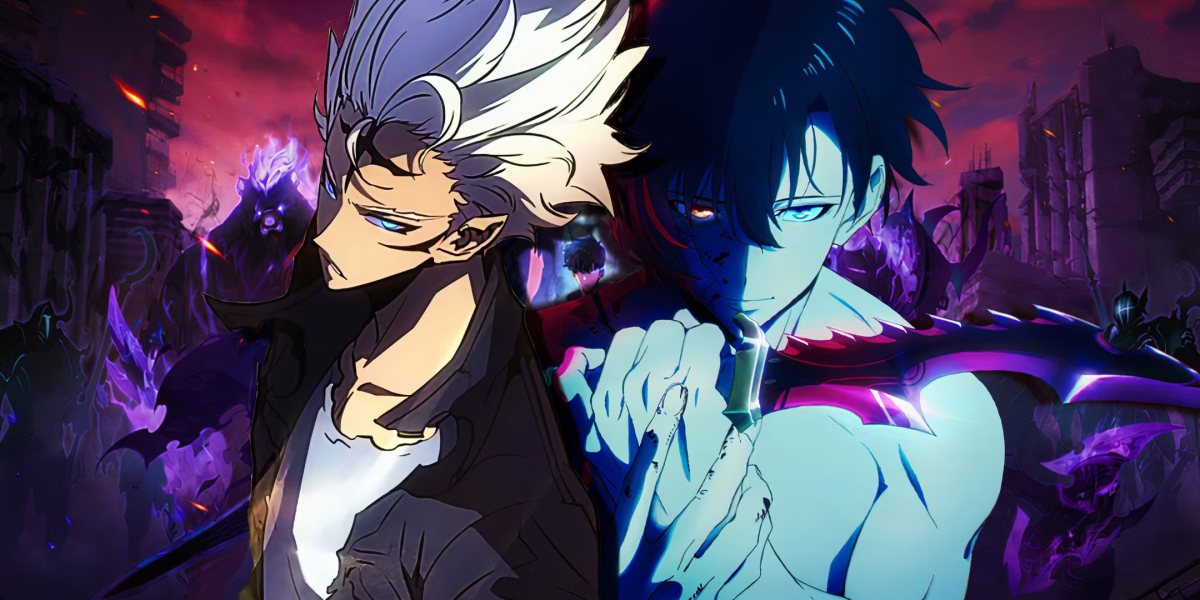
The manhwa world exploded when Solo Leveling first introduced us to Sung Jinwoo's journey from the weakest hunter to humanity's strongest defender. Now, Solo Leveling Ragnarok brings a fresh perspective to this beloved universe, and fans everywhere are asking the same questions. Can the sequel live up to the original? Do you need to read Solo Leveling first? What makes this continuation worth your time? This guide covers everything you need to know about Solo Leveling Ragnarok, whether you're a longtime fan or someone curious about jumping into the series Solo Leveling Ragnarok is not a reboot or alternate timeline. This is a direct sequel that continues the story years after the original series concluded. The protagonist shifts from Sung Jinwoo to his son, Sung Suho, who must forge his own path in a world still recovering from the catastrophic events his father prevented.
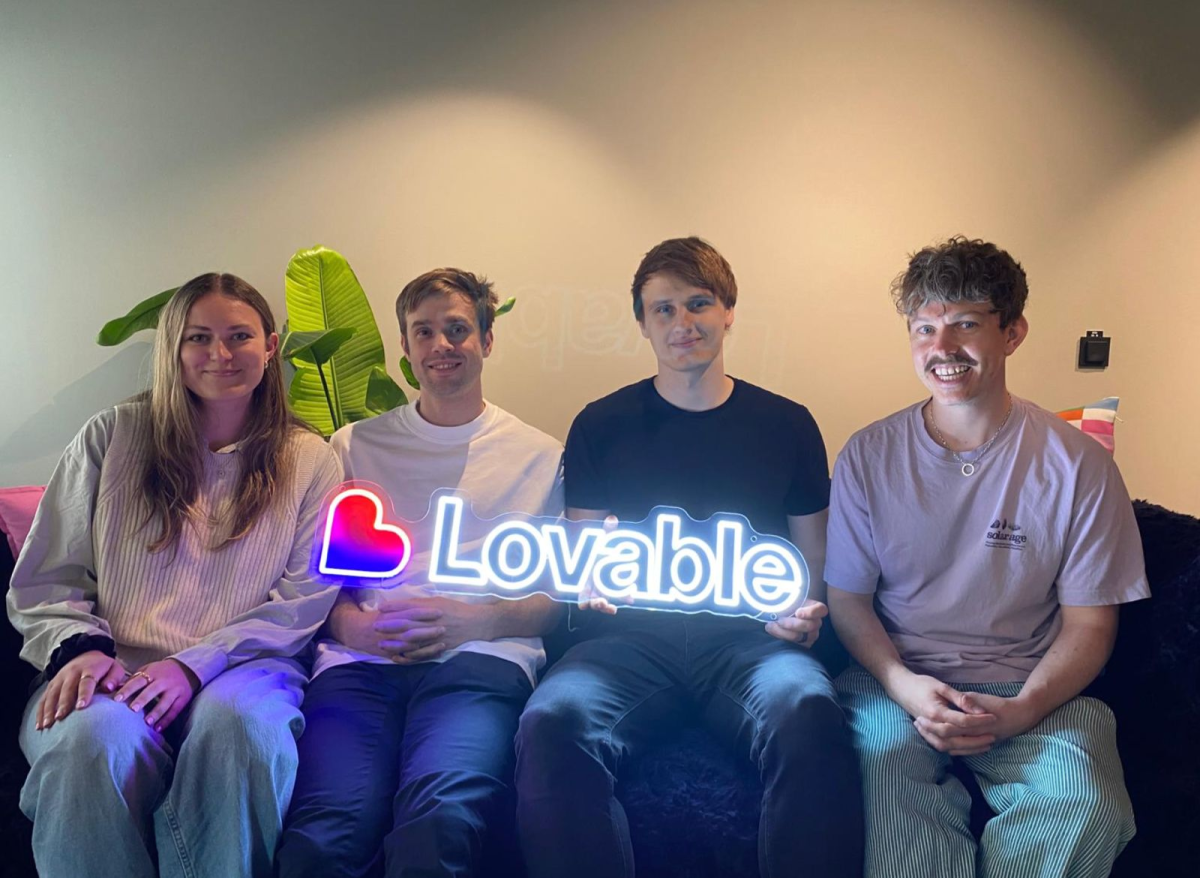
The software development world just witnessed something unprecedented. A European startup called Lovable reached $20 million in annual recurring revenue in just two months, making it potentially the fastest-growing startup in European history. But here's the twist that's making traditional software agencies nervous: they did it by giving non-technical founders the power to build full-stack applications without writing a single line of code. For years, the promise of no-code tools has been the same: anyone can build an app. But the reality has always been different. You'd create a beautiful frontend, get excited about your progress, and then hit the technical cliff. Suddenly you needed to configure databases, set up authentication, manage API keys, and deploy to servers. The "no-code" dream became a "hire-a-developer-anyway" nightmare.
The fact that Premiere Pro has now added text-based editing to its own timeline is probably the clearest signal that Descript validated the concept. When the incumbents copy your core feature you have already won the argument.
Most people can edit a Google Doc. Delete some words, rearrange sentences, fix typos, add paragraphs. It's intuitive and requires no special training. Now imagine editing video the same way. That's Descript's core innovation, and it transformed video editing from a specialized skill requiring expensive software into something anyone who can edit text can do effectively. Descript started as a transcription tool for podcasters. Record your podcast, upload it to Descript, and get an accurate transcript for show notes. But the founders realized something bigger. If you have a perfect transcript synchronized to audio, you can edit the audio by editing the text. Delete a word from the transcript and that word disappears from the audio. That insight became the foundation for a complete editing platform.