Night eating syndrome and circadian eating misalignment feels like a connection this article only brushes. For people with clinical patterns of night eating the timing piece is genuinely therapeutic, not just optimization.
21
Sign up to see more
SignupAlready a member?
LoginBy continuing, you agree to Sociomix's Terms of Service, Privacy Policy

Night eating syndrome and circadian eating misalignment feels like a connection this article only brushes. For people with clinical patterns of night eating the timing piece is genuinely therapeutic, not just optimization.
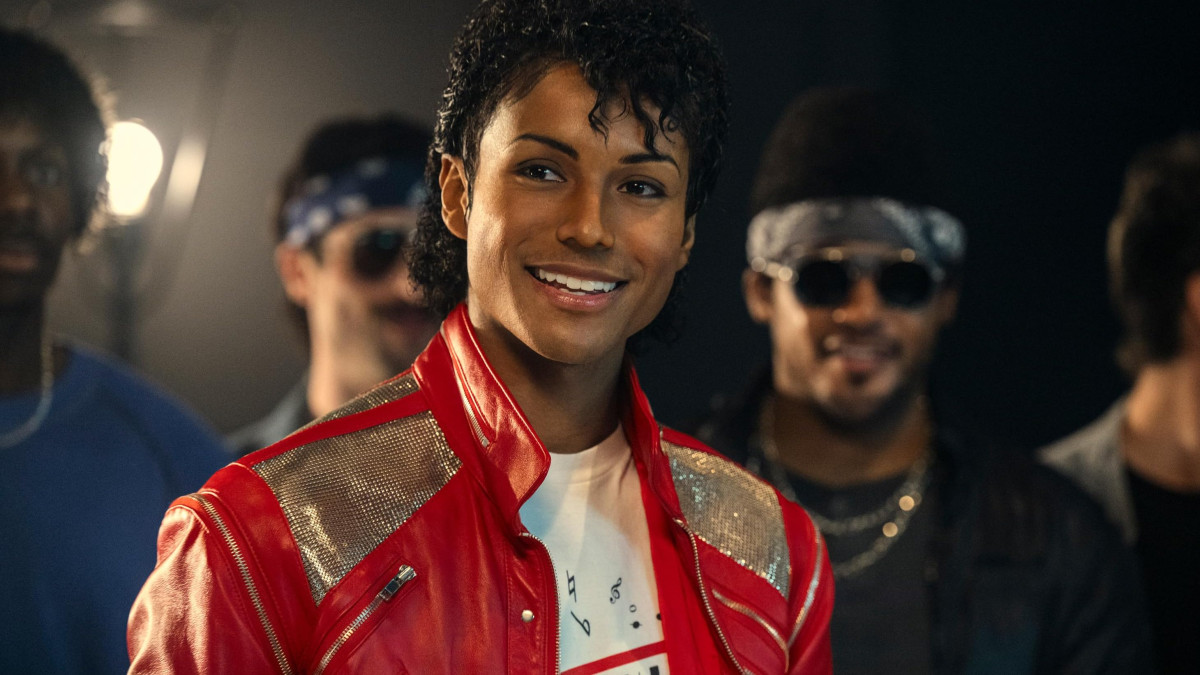
Jaafar Jackson plays Michael Jackson in the 2026 biopic Michael, and the story of how the 29-year-old newcomer landed the role is more interesting than the film itself. It started with a voice note. It involved a two-year global casting search with no formal auditions. It required Jaafar to keep the role secret from his own family for a full year. And it ended with his grandmother Katherine Jackson, the woman who knew Michael longest and loved him most, telling producers that her grandson didn't just resemble her son, he embodied him. After tracking every interview, behind-the-scenes video, and production report released since the film was announced, I can tell you that the choice of Jaafar was not nepotism, not a publicity play, and not the obvious pick everyone assumes it was. It was a hard-earned outcome of the most unusual casting process in recent biopic history, and here is how it actually happened.

Thinking about how the article describes Suchan investigating without police help because going to them would make him look guilty, and that isolation is such a classic thriller engine that Copycat refreshes completely by tying it to something as mundane as artistic credit.
The Michael movie review verdict is in, and it is more complicated than the 26% Rotten Tomatoes score suggests. Antoine Fuqua's long-delayed Michael Jackson biopic, simply titled Michael, hit theaters this weekend with Jaafar Jackson playing his late uncle, and the critical response has been brutal. The BBC gave it one star. Roger Ebert's site called it a filmed playlist in search of a story. Yet early audience reactions on social media have been warmer, ticket pre-sales suggest an $80 million opening, and Variety thought it worked as an engrossing middle-of-the-road biopic. After tracking coverage across more than a dozen outlets over the past 48 hours, I think the honest answer to "should you watch this?" depends almost entirely on what you want from a music biopic, and this guide breaks down exactly what the film delivers, what it skips, and who will actually enjoy sitting through its two-hour-and-nine-minute runtime.
The article mentions the fantasy engineering challenges like building on magical land and accounting for monster attacks in structural design. This part of the series is so underrated. It actually engages with world building in a way most isekai just skip.
The year 2026 marks a pivotal moment in the evolution of manhwa as a medium. What started as a trickle of Korean comics receiving anime adaptations has become a flood, with at least fifteen confirmed projects bringing beloved manhwa to animated life. This explosive growth wasn't accidental but the inevitable result of Solo Leveling's massive success proving that manhwa adaptations can compete with traditional manga anime in quality, popularity, and profitability. Studios across Japan and Korea are investing heavily in manhwa properties, recognizing that Korean storytelling brings fresh perspectives, innovative premises, and built-in fanbases eager to see their favorite series animated. The diversity of genres receiving adaptations demonstrates that manhwa appeal extends far beyond action and fantasy into romance, psychological thriller, sports, and slice-of-life territories.

The article says transcription accuracy exceeds 95% with clear audio. That qualifier, with clear audio, is doing a lot of heavy lifting. Home offices, open floor plans, overlapping speakers, accents. Real conditions are messier than the demo.
Hot take: the real innovation here is not the technology, it is the interaction design. Dozens of tools had decent transcription before Descript. Nobody made editing the actual interface until Descript did.
My issue with the Warrior Returns is that the tonal whiplash between comedy moments and serious action can sometimes feel jarring. That said the emotional beats around reconnecting with family absolutely landed for me.
Tower climbing stories have become a dominant force in manhwa, but most follow predictable patterns. A protagonist enters a mysterious tower, gains powers, forms a party, and ascends floors while growing stronger. The formula works because progression feels satisfying and each floor presents new challenges. However, Doom Breaker takes this familiar framework and transforms it into something far more emotionally devastating and psychologically complex than typical tower stories. Also known as SSS-Class Suicide Hunter, Doom Breaker initially appears to be another power fantasy where the protagonist gains an overpowered ability. The premise sounds almost comedic. Kim Gongja can copy any skill by dying, then returns to life to use that ability. But beneath this seemingly absurd power lies a story about pain, sacrifice, redemption, and what it truly means to be a hero when heroism demands everything from you.

The HubSpot partnership announced earlier this year embedding HeyGen into marketing automation workflows is a bigger signal than most people realize. Enterprise buyers want tools inside platforms they already use, not standalone tabs to switch between.
The ORV anime adaptation being confirmed for a late 2026 window has everyone buzzing right now. New readers are flooding the source material and the community is genuinely electric about it.
Does it handle overlapping voices well? In my team's meetings two people often talk simultaneously and I worry that either the transcript breaks or attributes statements to the wrong person.
As someone who worked in software for fifteen years, the extended thinking feature is doing more heavy lifting than it gets credit for. Planning before coding was always where senior engineers earned their salary. If the AI genuinely does that well, you are replacing expensive judgment, not just labor.
Speaking from experience building internal tools at a mid-size company, the moment you try to do anything with complex business logic or multi-tenant data structures, you start hitting walls pretty fast. Great for prototypes, genuinely limited for production.
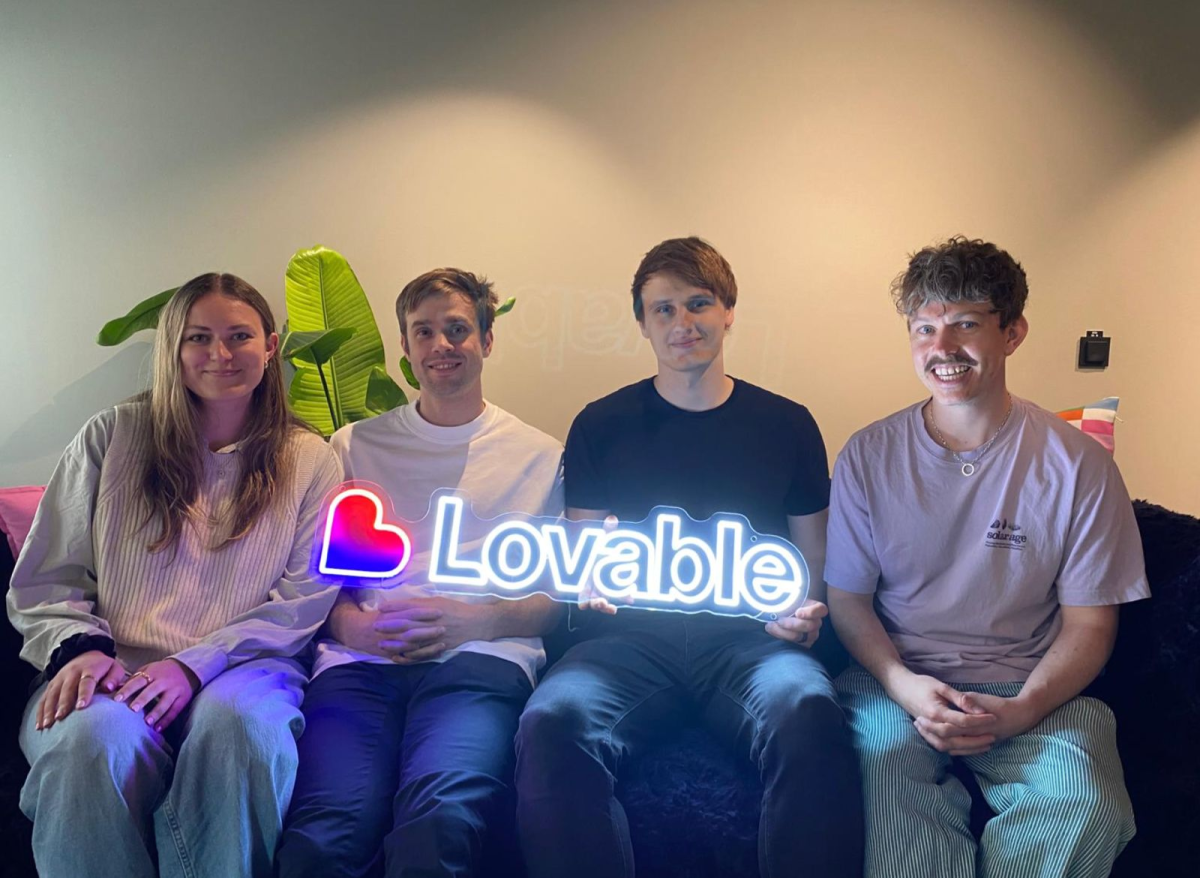
The software development world just witnessed something unprecedented. A European startup called Lovable reached $20 million in annual recurring revenue in just two months, making it potentially the fastest-growing startup in European history. But here's the twist that's making traditional software agencies nervous: they did it by giving non-technical founders the power to build full-stack applications without writing a single line of code. For years, the promise of no-code tools has been the same: anyone can build an app. But the reality has always been different. You'd create a beautiful frontend, get excited about your progress, and then hit the technical cliff. Suddenly you needed to configure databases, set up authentication, manage API keys, and deploy to servers. The "no-code" dream became a "hire-a-developer-anyway" nightmare.
DCA and stop worrying about the daily candles. That's my whole strategy and honestly it's the only one that has ever worked consistently for me.