Jaafar is the son of Jermaine Jackson, who is Michael's older brother. That makes Jaafar Michael's nephew, not his son. Michael's actual children are Prince, Paris, and Bigi.
13
Sign up to see more
SignupAlready a member?
LoginBy continuing, you agree to Sociomix's Terms of Service, Privacy Policy
Jaafar is the son of Jermaine Jackson, who is Michael's older brother. That makes Jaafar Michael's nephew, not his son. Michael's actual children are Prince, Paris, and Bigi.
Evolutionary arguments for nutrition are always a bit slippery though. Ancestral humans also had feast and famine cycles, a lot of physical activity, and much shorter lifespans. Cherry picking the timing argument without the full context is worth noting.
Does this film actually explain why Jaafar was chosen over someone with more acting experience, or does it just present the family connection as sufficient explanation?
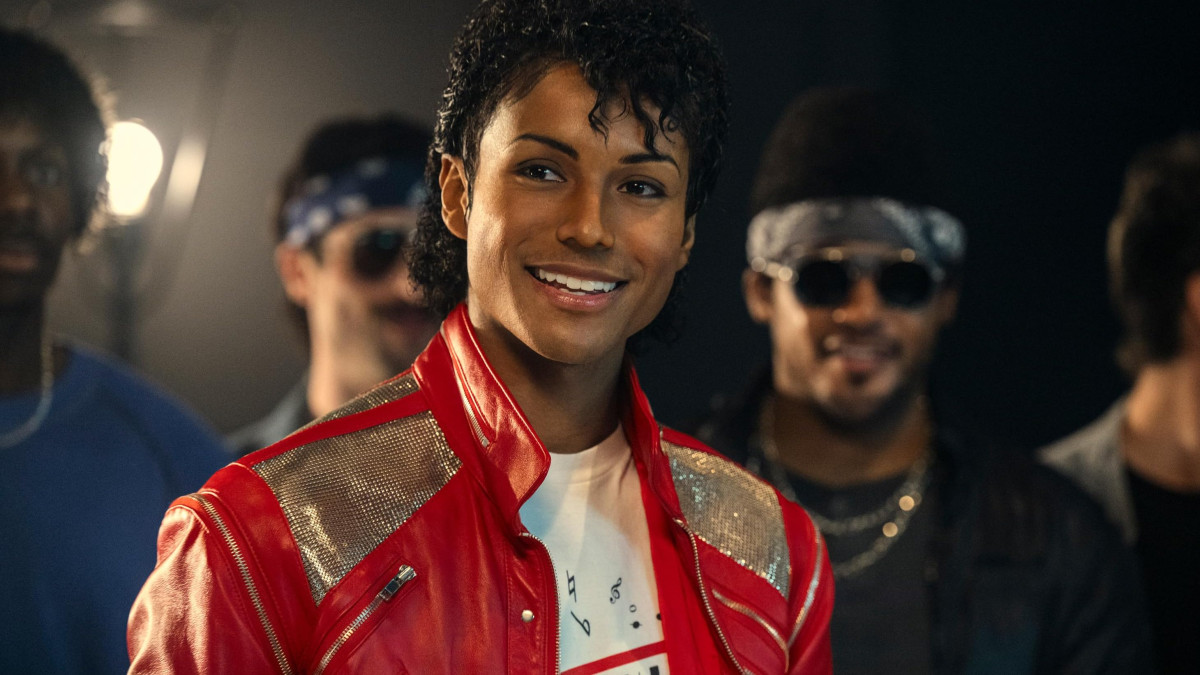
The Michael movie review verdict is in, and it is more complicated than the 26% Rotten Tomatoes score suggests. Antoine Fuqua's long-delayed Michael Jackson biopic, simply titled Michael, hit theaters this weekend with Jaafar Jackson playing his late uncle, and the critical response has been brutal. The BBC gave it one star. Roger Ebert's site called it a filmed playlist in search of a story. Yet early audience reactions on social media have been warmer, ticket pre-sales suggest an $80 million opening, and Variety thought it worked as an engrossing middle-of-the-road biopic. After tracking coverage across more than a dozen outlets over the past 48 hours, I think the honest answer to "should you watch this?" depends almost entirely on what you want from a music biopic, and this guide breaks down exactly what the film delivers, what it skips, and who will actually enjoy sitting through its two-hour-and-nine-minute runtime.
The detail that Suchan is hunting the killer because his work was plagiarized, not because of the murders themselves, is one of the most darkly funny protagonist motivations I have ever read in a thriller. Kim is operating on a different level.
The article mentions the skills gap but honestly undersells how wide it is. Over half of datacenter operators globally say they cannot find qualified candidates for open roles. That is not a niche problem.
The character design in the teaser trailer looked faithful to the manhwa which is the first hurdle cleared. Art style translation between manhwa and anime can go very wrong very fast.
There is real tension in fights against opponents who move too fast for the nano machine to analyze in real time though. Those sequences look completely different and the art shifts to reflect actual desperation rather than calm tactical processing.
Lloyd's faces alone justify an anime adaptation. Animated with proper timing and voice acting those expressions would become instant meme material across the entire community.
Speaking from experience reading manhwa before adaptations, the series that adapts worst are always the ones with the strongest visual identity in the webtoon. Gosu's line work is so distinctive it will be hard to translate.
The article says transcription accuracy exceeds 95% with clear audio. That qualifier, with clear audio, is doing a lot of heavy lifting. Home offices, open floor plans, overlapping speakers, accents. Real conditions are messier than the demo.
Working in instructional design and the shift in how L&D budgets get allocated because of tools like this is real. Money that used to go to production vendors is now going to content strategy and scripting. Which honestly is where it should have been all along.
The authentication and database features in Bolt Cloud are genuinely full-stack capable for most use cases. Stop treating this like a toy.
Okay but can we talk about how OpenAI sending a memo to investors literally complaining about a competitor is such a weird move? That memo reads like a company that's scared, not confident.
The article is great but I'd push back on the framing that Anthropic is clearly winning. OpenAI has 900 million weekly active ChatGPT users. Consumer AI becomes the operating system for how people interact with information. That's not a small thing to concede.
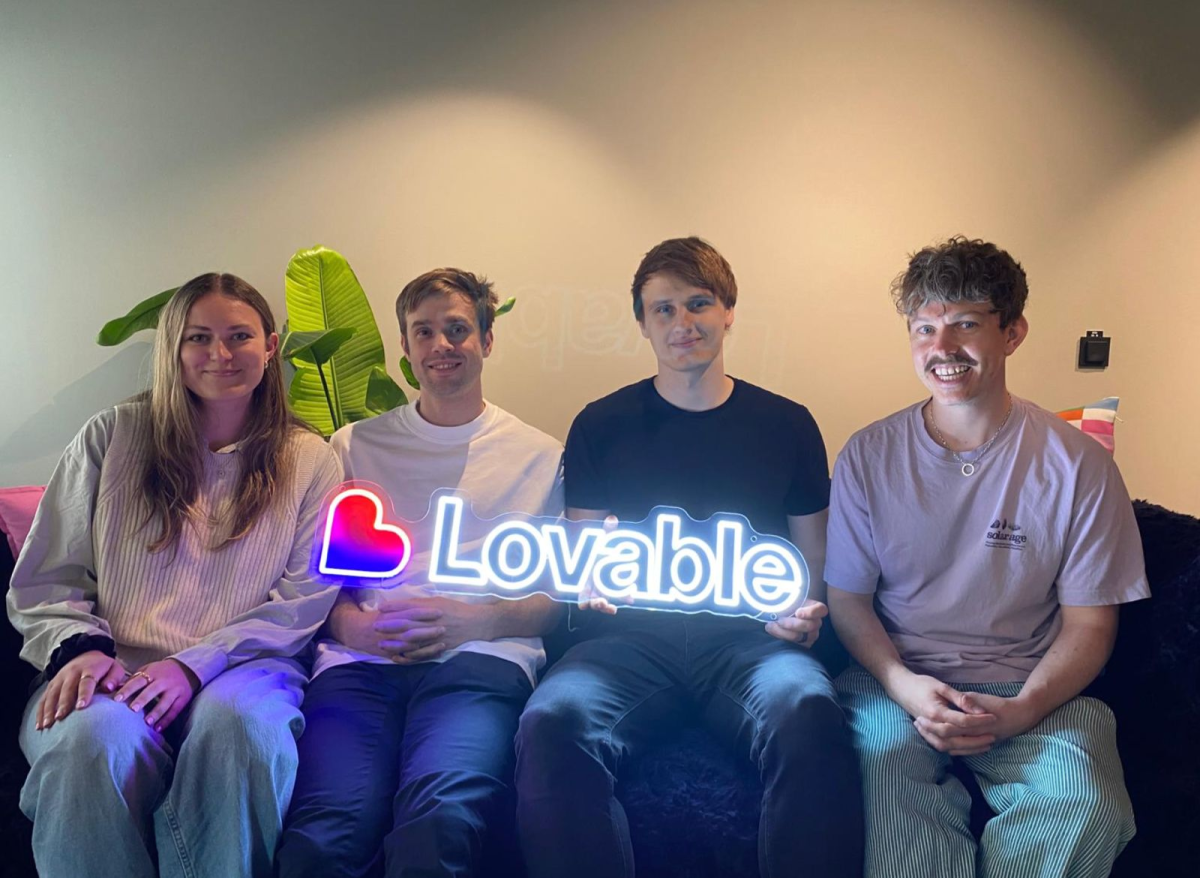
The software development world just witnessed something unprecedented. A European startup called Lovable reached $20 million in annual recurring revenue in just two months, making it potentially the fastest-growing startup in European history. But here's the twist that's making traditional software agencies nervous: they did it by giving non-technical founders the power to build full-stack applications without writing a single line of code. For years, the promise of no-code tools has been the same: anyone can build an app. But the reality has always been different. You'd create a beautiful frontend, get excited about your progress, and then hit the technical cliff. Suddenly you needed to configure databases, set up authentication, manage API keys, and deploy to servers. The "no-code" dream became a "hire-a-developer-anyway" nightmare.
That simultaneous movement is actually a problem. Every major AI company chasing custom silicon at the same time means competing for the same limited pool of chip designers, the same TSMC fabrication slots, and the same advanced memory components. This could make the shortage worse in the short term.
Nvidia's CUDA ecosystem has literally millions of developers and thousands of optimized applications built up over nearly two decades. That is not something any custom chip program displaces in the near term no matter how good the hardware is.
The silence from the Fed, Treasury, and every major bank is telling. When everyone lawyers up at the same time, the underlying facts are usually worse than what got published.
The dislike button that Adam Mosseri confirmed was in testing earlier last year might actually be more consequential than editable comments. A private downvote mechanism would fundamentally change how people interact in comment sections.