Samuel-James

The waste heat recovery section at the end of the article got cut off, which is frustrating because that is genuinely one of the more fascinating emerging areas. Some facilities are selling excess heat to district heating networks. Whole new business model.
19

Wait, is Omniscient Reader even on this list? Because that is the adaptation I thought was supposed to arrive this year and the article does not seem to mention it directly.
16

So the illustrator JIN left for mandatory military service and the series has been on hiatus since early 2026 with no confirmed return date yet. That's the part the guide kind of glosses over when talking about following the release schedule.
24
The comedy and drama balance in this is better than shows that try to be prestige dramas, which is a wild thing to say about a manhwa where the protagonist gets excited about proper road grading.
24

The empathy-through-shared-death-experience concept is the series operating as something closer to a philosophical thought experiment than a power fantasy. That is both its greatest strength and the reason casual readers sometimes do not connect with it.
12

Different genre indeed but also a completely different artistic project. Comparing Nano Machine and The Boxer is like comparing action cinema to slow literary drama. Both can be excellent without competing.
18

Genuinely curious, has there been any actual movement on an anime announcement or is this purely fan wishful thinking at this point?
22
The article mentions the series explores different types of heroism and that really is the thesis. What Dokja does is harder in some ways than what Joonghyuk does, and the story actually grapples with that instead of just picking a winner.
21
The reason Solo Leveling works as a gateway drug, as the article puts it, is that the protagonist's motivation is so simple and primal. Never be weak again. You understand that in your gut before the system even appears.
19
Nano Machine Has The Best Combat Art In Manhwa Right Now
In a medium filled with talented artists producing stunning work, making a claim about any series having the "best" art feels bold. Yet Nano Machine consistently delivers combat sequences so fluid, detailed, and visually innovative that even readers who don't typically care about martial arts stories find themselves captivated by the sheer spectacle on display. The series combines traditional murim aesthetics with futuristic sci-fi elements, creating a unique visual identity that stands apart from typical cultivation manhwa. The nano machine implanted in protagonist Cheon Yeo-Woon's body doesn't just give him power. It becomes a storytelling device that allows the artist to visualize techniques, energy flows, and combat analysis in ways other series can't replicate.

491
Save
Is anyone using v0 for component libraries that need to work across multiple products with different brand identities? Curious how well it handles design tokens and theming at that level of complexity.
19
My company just banned third-party AI notetakers in any meeting involving outside counsel. Legal team was pretty clear that having conversation data on a third-party server creates attorney-client privilege problems.
0

The vibe coding wave is real and Replit is riding it harder than anyone. Andrej Karpathy named the trend and now the entire dev tooling space is scrambling to own it.
24

We piloted this for new hire onboarding six months ago. The feedback from new employees was surprisingly warm. Most of them said it felt more personal than a slide deck with narration, which honestly set a low bar, but still.
12
This Startup Hit $20M Revenue In 60 Days Without A Single Developer
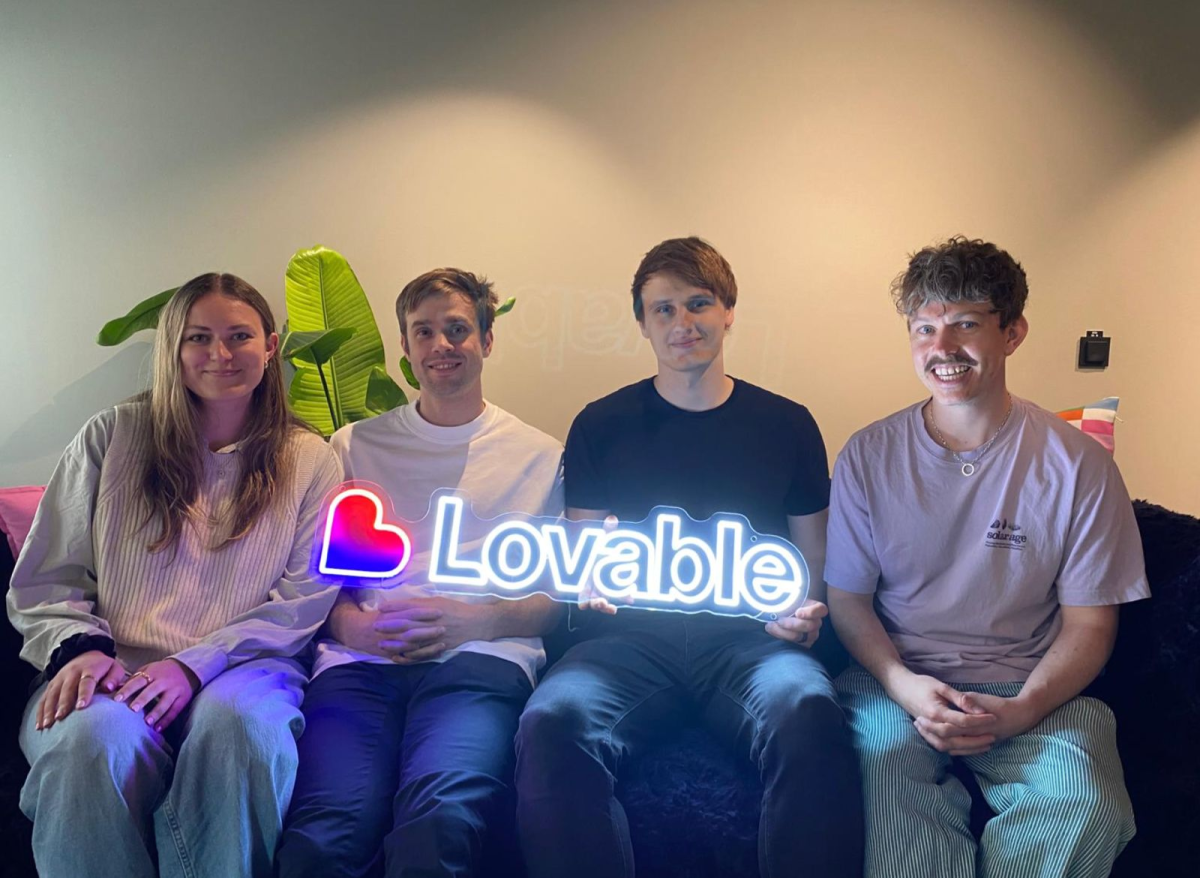
The software development world just witnessed something unprecedented. A European startup called Lovable reached $20 million in annual recurring revenue in just two months, making it potentially the fastest-growing startup in European history. But here's the twist that's making traditional software agencies nervous: they did it by giving non-technical founders the power to build full-stack applications without writing a single line of code. For years, the promise of no-code tools has been the same: anyone can build an app. But the reality has always been different. You'd create a beautiful frontend, get excited about your progress, and then hit the technical cliff. Suddenly you needed to configure databases, set up authentication, manage API keys, and deploy to servers. The "no-code" dream became a "hire-a-developer-anyway" nightmare.
478
Save
The $100M ARR milestone hit in April 2025 and they are projecting past $200M for 2026. That kind of trajectory is what Series E rounds at $4B valuations are made of. The math is not irrational.
5
The OpenAI Vs Anthropic Rivalry In 2026 Is Getting Personal And Very Expensive
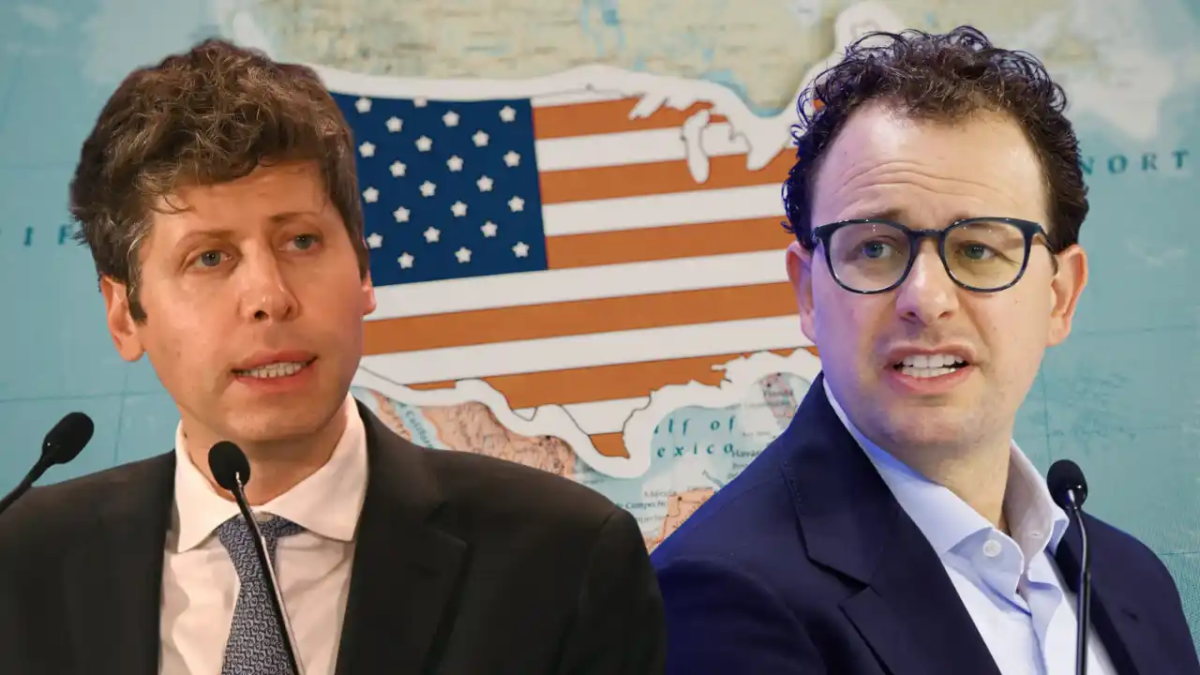
There's a photograph from February 2026 that pretty much sums up the state of AI right now. At the India AI Impact Summit in New Delhi, Indian Prime Minister Narendra Modi invited the world's tech leaders onstage for a group photo. Everyone held hands. Well, almost everyone. Sam Altman of OpenAI and Dario Amodei of Anthropic, standing right next to each other, refused to clasp hands and instead raised their fists separately. The internet, predictably, lost its mind. An awkward moment between OpenAI CEO Sam Altman and Anthropic CEO Dario Amodei at an AI Summit captured the increasingly icy relations between two rival tech leaders who started off as colleagues. That's not just petty drama. It's a window into what may be the most consequential corporate rivalry in the technology world right now, one that's playing out in boardrooms, courtrooms, Super Bowl ads, and billion-dollar compute deals all at once.
291
Save
Genuinely asking: what does a development agency offer now that justifies three months and $50,000 when someone can prototype the same idea in a weekend? I am not being rhetorical, I actually want to know.
16
The AI That Finally Makes Designers And Developers Actually Like Each Other
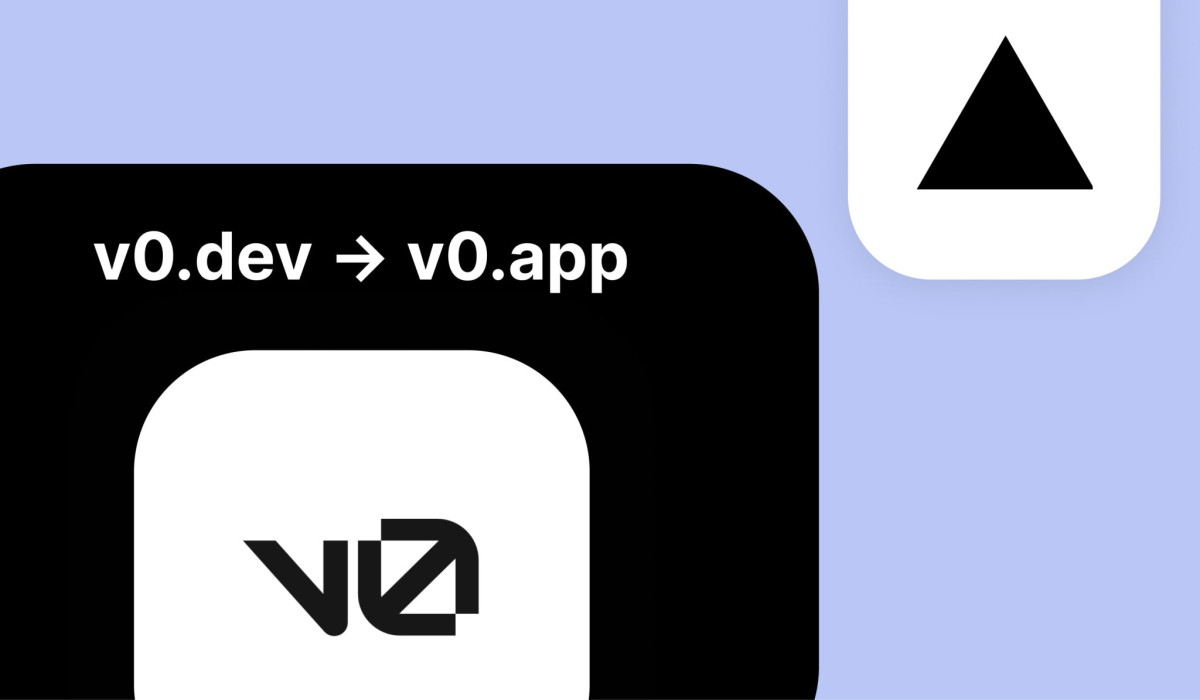
The designer-developer relationship has been tense for decades. Designers create pixel-perfect mockups in Figma. Developers translate them to code and somehow everything looks slightly wrong. Fonts don't match. Spacing is inconsistent. Buttons have different corner radiuses. Both sides get frustrated, blame each other, and the product suffers. V0 by Vercel is fixing this problem by generating production-quality React components that look exactly like the designs. The rebrand from v0.dev to v0.app in January 2026 signaled expanded ambitions beyond just UI component generation. Vercel positioned the tool for full-stack web development, though its core strength remains frontend excellence. That strategic clarity matters because trying to be everything often means excelling at nothing. V0 chose to dominate the handoff between design and code before expanding into other areas.
568
Save