This might be an unpopular opinion but I am deliberately not starting Copycat until it hits around 40 or 50 chapters. Weekly reading is torture with thriller manhwa. Binge reading is the only way.
24
Sign up to see more
SignupAlready a member?
LoginBy continuing, you agree to Sociomix's Terms of Service, Privacy Policy

This might be an unpopular opinion but I am deliberately not starting Copycat until it hits around 40 or 50 chapters. Weekly reading is torture with thriller manhwa. Binge reading is the only way.
Cautiously optimistic about this adaptation because the source material is so strong that even a decent execution should result in something worthwhile. My floor for this is still higher than most sports anime.
What is the best entry chapter for someone who wants to evaluate the combat art specifically? Like what chapter actually shows what this series can do at its peak?
The article was focused on themes and atmosphere which is appropriate for an introductory piece. But you are right that the political texture adds another layer worth exploring.
Omniscient Reader keeps getting pushed back. Last confirmed window I saw was late 2026 and even that seems optimistic given how ambitious the source material is.
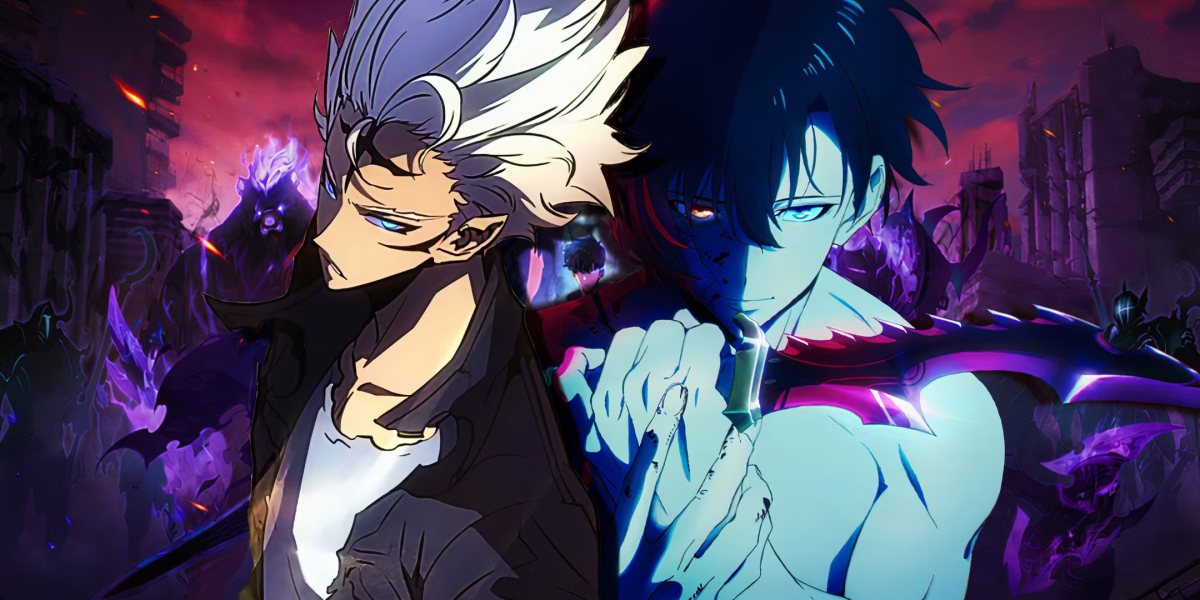
The manhwa world exploded when Solo Leveling first introduced us to Sung Jinwoo's journey from the weakest hunter to humanity's strongest defender. Now, Solo Leveling Ragnarok brings a fresh perspective to this beloved universe, and fans everywhere are asking the same questions. Can the sequel live up to the original? Do you need to read Solo Leveling first? What makes this continuation worth your time? This guide covers everything you need to know about Solo Leveling Ragnarok, whether you're a longtime fan or someone curious about jumping into the series Solo Leveling Ragnarok is not a reboot or alternate timeline. This is a direct sequel that continues the story years after the original series concluded. The protagonist shifts from Sung Jinwoo to his son, Sung Suho, who must forge his own path in a world still recovering from the catastrophic events his father prevented.
Anime original endings are the bane of my existence so this point matters more than people realize.
The name localization thing is a real adjustment but it is standard practice for Japanese dubs of Korean properties. Solo Leveling did the same thing and after a few episodes you just adjust.
In a medium filled with talented artists producing stunning work, making a claim about any series having the "best" art feels bold. Yet Nano Machine consistently delivers combat sequences so fluid, detailed, and visually innovative that even readers who don't typically care about martial arts stories find themselves captivated by the sheer spectacle on display. The series combines traditional murim aesthetics with futuristic sci-fi elements, creating a unique visual identity that stands apart from typical cultivation manhwa. The nano machine implanted in protagonist Cheon Yeo-Woon's body doesn't just give him power. It becomes a storytelling device that allows the artist to visualize techniques, energy flows, and combat analysis in ways other series can't replicate.

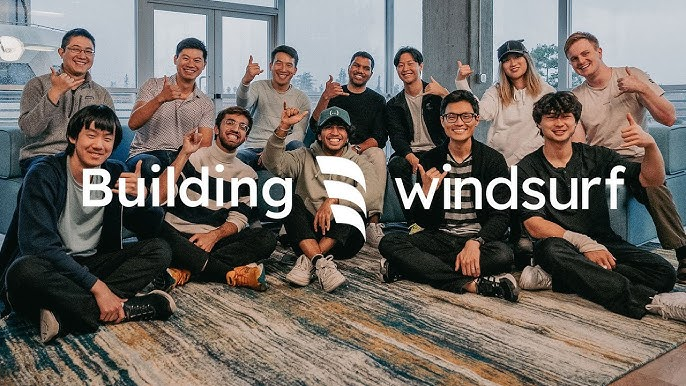
Developers have a new anxiety in 2026: token anxiety. You're in the middle of debugging a complex problem, the AI is helping you refactor three files simultaneously, and suddenly you wonder if this session is about to cost you $50. That mental tax slows you down and makes you second-guess using the tool you're paying for. Windsurf eliminated that anxiety with a simple decision: flat monthly pricing with no token limits. Fifteen dollars per month. Unlimited usage. No tracking credits or calculating costs per query. That pricing model sounds almost boring compared to the complex token systems other AI coding tools use, but boring is exactly what professional developers want when it comes to pricing. They want predictable costs and unlimited usage so they can focus on writing code instead of budgeting AI queries.
The article mentions backend limitations honestly. What it does not mention is that pairing v0 with something like Supabase for the backend actually gets you surprisingly close to a full-stack setup without writing much code at all.
The designer-developer relationship has been tense for decades. Designers create pixel-perfect mockups in Figma. Developers translate them to code and somehow everything looks slightly wrong. Fonts don't match. Spacing is inconsistent. Buttons have different corner radiuses. Both sides get frustrated, blame each other, and the product suffers. V0 by Vercel is fixing this problem by generating production-quality React components that look exactly like the designs. The rebrand from v0.dev to v0.app in January 2026 signaled expanded ambitions beyond just UI component generation. Vercel positioned the tool for full-stack web development, though its core strength remains frontend excellence. That strategic clarity matters because trying to be everything often means excelling at nothing. V0 chose to dominate the handoff between design and code before expanding into other areas.
Genuinely curious whether the education market Replit started in is actually better or worse off with agents. On one hand, more people can build things. On the other hand, the path from curious beginner to capable engineer may be getting shorter in ways that skip crucial foundations.
The irony that the model's existence was first revealed because someone left it sitting in a publicly accessible database is so astronomically funny. The AI finds bugs humans miss, but humans still miss the most obvious stuff.
The Dario Amodei quote about a fundamentally more secure internet is either visionary or the most ambitious thing a CEO has said this year. Possibly both. The gap between the aspiration and the execution is going to be measured in years.
In an extraordinary move signaling growing alarm over artificial intelligence capabilities, US Treasury Secretary Scott Bessent and Federal Reserve Chair Jerome Powell jointly summoned the nation's most powerful banking executives to an emergency meeting this week at Treasury headquarters in Washington, DC. The hastily arranged gathering centered on mounting cybersecurity concerns stemming from Anthropic's latest artificial intelligence system, known as Claude Mythos. The San Francisco-based AI company recently disclosed that its newest model demonstrates unprecedented abilities to identify and exploit software vulnerabilities, raising immediate red flags across the financial sector and national security establishment.
Anthropic on Tuesday unveiled an advanced artificial intelligence model designed specifically to identify software vulnerabilities, marking a significant development in the intersection of AI and cybersecurity. The model, named Claude Mythos Preview, will be available exclusively to a carefully selected group of companies as part of Project Glasswing, a new security initiative that aims to strengthen digital defenses while preventing malicious exploitation. The San Francisco based AI company has chosen to severely restrict access to Claude Mythos Preview due to its powerful capability to detect security weaknesses and software flaws. This decision reflects growing concerns about dual use AI technologies that could be weaponized by adversaries if they fell into the wrong hands.

Cautiously optimistic. Every time I get excited about a move like this, I remember April is historically one of the most volatile months for crypto. Enjoying the green but keeping my stops tight.