Stop Buying Self Care And Start Actually Taking Care Of Yourself

You're tired, overwhelmed, and running on fumes. The solution, according to Instagram influencers and wellness brands, is simple. Buy this $47 lavender-scented candle. Subscribe to this meditation app for $14.99 monthly. Book that $200 spa day. Treat yourself to artisan chocolate and a salt bath bomb that costs more than your grocery budget.
Congratulations. You've just participated in the $6.8 trillion wellness economy that's convinced you self-care is something you purchase rather than something you practice.
The global wellness industry reached $6.8 trillion in 2024 and continues growing at 7.9% annually. By 2029, it's projected to hit $9.8 trillion. That's four times larger than the entire pharmaceutical industry. We're spending unprecedented amounts of money on products marketed as self-care while simultaneously reporting record levels of burnout, anxiety, and exhaustion.
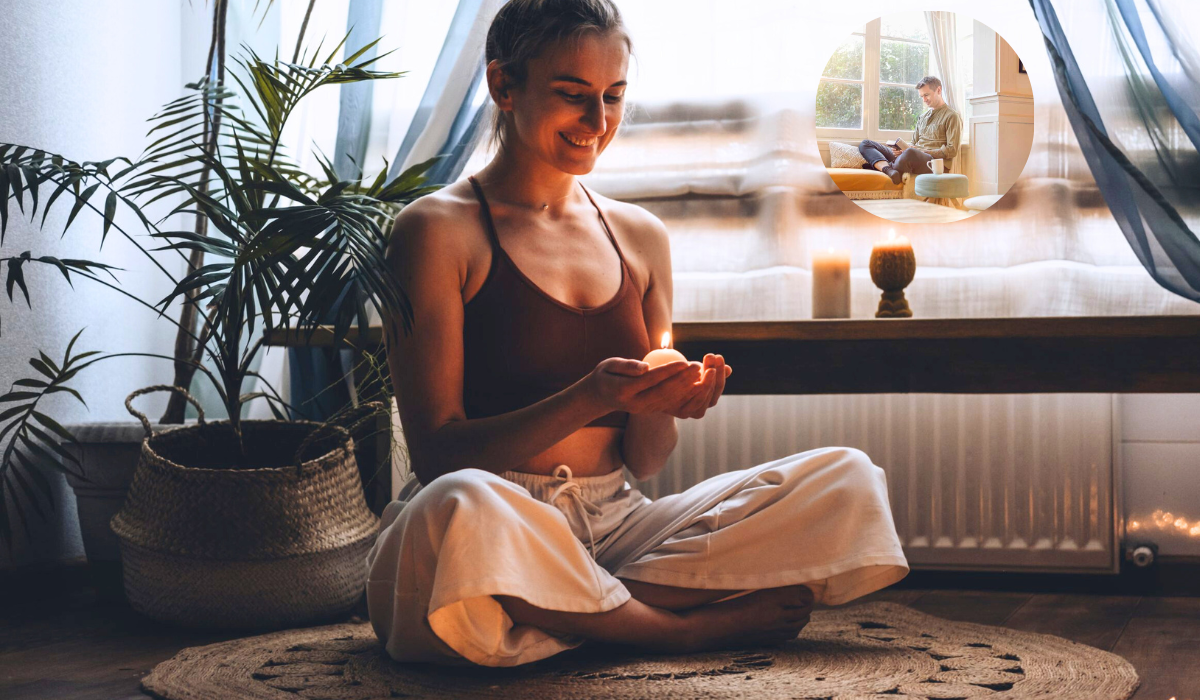
Something doesn't add up. If all these wellness products actually worked, shouldn't we be feeling better?
The Lie We Keep Buying
Nine out of ten Americans report practicing self-care. Google searches for self-care products have increased 315% since 2017. The personal care products market alone is expected to reach $631.94 billion by 2032. We're clearly invested in the concept.
But here's what nobody wants to admit. Most of what we call self-care is just expensive procrastination. It's retail therapy disguised as wellness. It's treating the symptoms of a dysfunctional life instead of addressing the dysfunction itself.
Real self-care isn't chocolate cake and bubble baths. Real self-care is making a budget spreadsheet when you're drowning in debt. It's having the uncomfortable conversation with your toxic friend about why you can't keep doing this. It's cooking healthy meals instead of ordering takeout for the fifth night in a row. It's going to bed at a reasonable hour even though you want to scroll TikTok until 2 AM.
Real self-care is doing the hard, unglamorous work of building a life you don't need to constantly escape from. And nobody's making money off that version.
How Capitalism Hijacked Your Exhaustion
The wellness industry operates on a brilliant business model. First, create a culture where people are overworked, overscheduled, and completely depleted. Then sell them products to temporarily relieve that depletion. Make sure the relief is short-lived so they have to keep buying.
It's the same cycle as fast fashion or fast food. Create a problem, sell a solution that doesn't actually solve anything, profit from the endless loop of consumption.
The mental wellness sector alone grew at 12.4% annually from 2019 to 2024, reaching $87 billion in the United States. Therapy apps, meditation subscriptions, wellness retreats, mindfulness journals. All marketed as essential tools for managing stress. None of them addressing why we're so stressed in the first place.
I'm not saying these products are worthless. Therapy is valuable. Meditation helps. Quality skincare matters. But when the solution to burnout is "buy more stuff," we've fundamentally misunderstood the problem.
You can't purchase your way out of a life that's making you miserable. Yet that's exactly what the wellness industry wants you to believe.
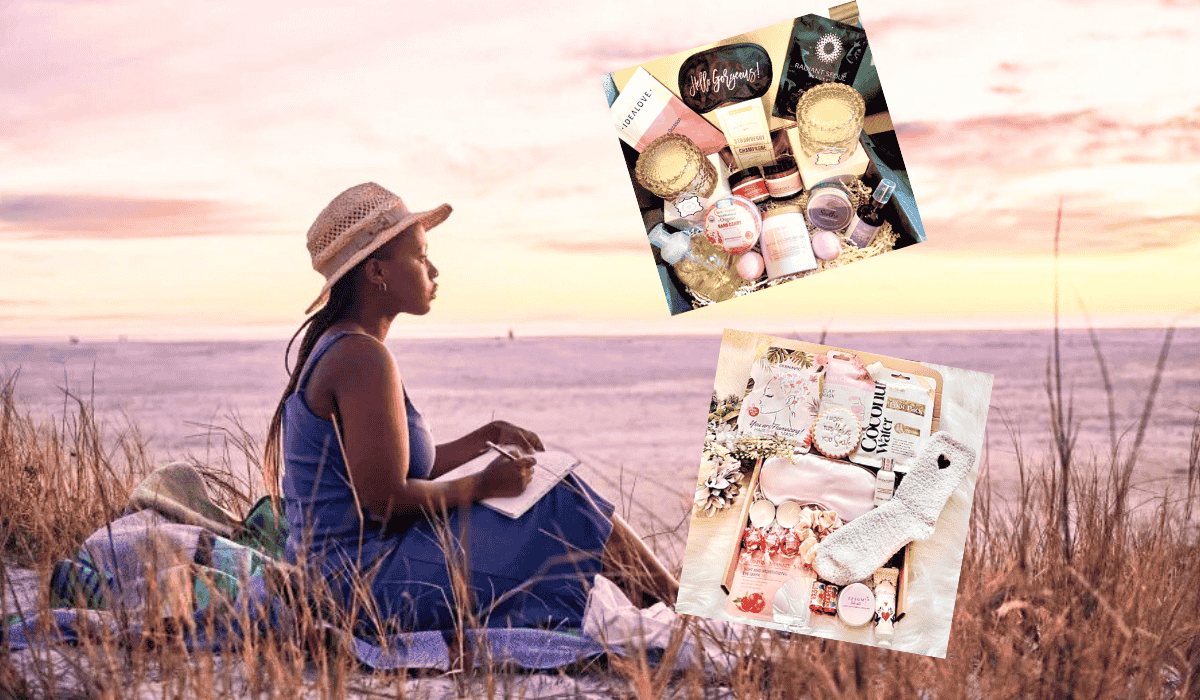
We're Treating Symptoms While Ignoring the Disease
Here's what makes me furious about the commercialization of self-care. It takes a legitimate need for rest, boundaries, and balance, then repackages it as consumer products that generate profit while solving nothing.
You're exhausted because you work too much, sleep too little, and live in a system that demands constant productivity. The answer isn't a $200 weighted blanket. The answer is working less, sleeping more, and questioning why we've normalized exhaustion as a lifestyle.
You're anxious because you're comparing your real life to everyone else's highlight reel on social media. The answer isn't a $30 aromatherapy diffuser. The answer is getting off Instagram and reconnecting with actual human beings in the physical world.
You're stressed because you're trying to maintain an unrealistic standard of perfection across every area of your life. Career, relationship, parenting, fitness, social life, hobbies, side hustles. The answer isn't more yoga classes or jade rollers. The answer is accepting that you're human and something has to give.
The wellness industry profits from your pain while actively preventing you from addressing its root causes. They need you to stay stressed so you keep buying solutions. If you actually fixed the problems creating your stress, they'd lose a customer.
What Self Care Actually Looks Like
Real self-care is boring. It's not Instagrammable. It doesn't come in aesthetically pleasing packaging with motivational quotes printed on the label.
Real self-care is looking at your bank account and creating a realistic plan to pay off debt instead of avoiding the problem and hoping it resolves itself. It's meal prepping on Sunday even though you'd rather watch Netflix. It's saying no to social obligations that drain you even if people think you're being difficult.
Real self-care is going to the dentist for that cleaning you've been postponing for two years. It's refilling your prescriptions on time. It's drinking water instead of your fourth coffee. It's moving your body in ways that feel good rather than punishing yourself with exercise you hate.
Real self-care is ending relationships that make you miserable. Quitting jobs that destroy your mental health. Moving out of living situations that create constant stress. These are massive, scary decisions with real consequences. They're also the decisions that actually change your life instead of just temporarily making you feel better about the life you're living.
True self-care means disappointing people. It means letting some things fail because you can't do everything. It means accepting that you're regular, normal, and unexceptional in most areas of life. It means having a messy kitchen sometimes and admitting your ultimate goal isn't achieving the perfect body or impressing people who don't actually care about you.
None of this sells products. Which is exactly why the wellness industry never promotes it.
The Pressure to Perform Self Care
The act of self-care has become yet another thing women, in particular, are expected to excel at. Did you use the right Instagram filter for that photo of your perfectly plated breakfast? Are your candles hand-poured organic soy or mass-produced garbage? How authentic is your mindfulness practice?
We've turned rest into a competition. Who can self-care better? Who has the most aesthetically pleasing morning routine? Who's winning at wellness?
This defeats the entire purpose. Self-care is supposed to reduce pressure, not create more of it. But when self-care becomes performative, when it's about appearing well rather than actually being well, it's just another source of anxiety.
I see this constantly with people ordering food delivery under the guise of "being good to myself." Spending money they don't have on restaurant meals because cooking feels like too much effort. They're calling it self-care when it's actually self-sabotage. They're making their future selves' lives harder while pretending it's kindness.
Real kindness to yourself would be cooking simple, healthy meals now so you're not broke and malnourished later. But that's not fun. That's not treating yourself. That's just being an adult.
The Industries That Benefit From Your Dysfunction
Let's be specific about who profits when you mistake consumption for self-care. The personal care and beauty industry is worth $310 billion in the United States alone. Physical activity and fitness is $338.6 billion. Wellness tourism is $259 billion. Healthy eating and nutrition products are $289 billion.
These industries have every incentive to keep you believing that wellness comes from products rather than practices. That rest requires purchasing specialized items rather than just stopping. That taking care of yourself means spending money rather than making better choices.
Look at wellness real estate, the fastest-growing sector at 19.5% annual growth. Developers are building entire communities around wellness amenities. Meditation rooms, salt therapy caves, infrared saunas, cold plunge pools. They're selling the idea that you need to live in a special building with special features to achieve wellness.
Or consider the explosion of wellness tourism, which grew 31.8% from 2019 to 2024. People are spending thousands of dollars to travel to retreat centers where they can finally relax and find themselves. But they never question why they can't relax or find themselves at home. They never address the life circumstances that make escape feel necessary.
The entire system is designed to profit from your exhaustion while ensuring you stay exhausted enough to keep buying.

When Consumer Self Care Becomes the Problem
If you're constantly needing consumer self-care, it's because you're disconnected from actual self-care. You're treating symptoms instead of causes. You're putting Band-Aids on bullet wounds.
Consumer self-care is fine occasionally. Enjoy the spa day. Light the expensive candle. Eat the chocolate cake. But if these are your primary self-care strategies, you're avoiding the real work.
The real work is parenting yourself. Making choices for your long-term wellness rather than short-term comfort. Building a daily life that sustains you rather than depletes you. Creating boundaries that protect your energy. Developing habits that serve your future self.
None of this is glamorous. You won't get likes on Instagram for making your lunch the night before or going to bed early. Nobody's going to congratulate you for having an awkward conversation about boundaries or declining invitations to things you don't want to attend.
But these are the actions that actually create sustainable wellness. These are what allow you to enjoy life rather than constantly needing to escape from it.
The Cultural Context We're Ignoring
We live in a sick culture that demands self-care be a trendy topic. A healthy culture wouldn't require constant discussion of self-care because basic rest, boundaries, and balance would be normalized rather than exceptional.
The fact that we need a multi-trillion-dollar industry dedicated to helping people cope with their lives tells you something disturbing about how we've structured those lives. We've created systems that extract maximum productivity from people, then sell them products to manage the resulting burnout.
This is by design. Capitalism needs stressed, depleted consumers who seek relief through purchasing. If people worked reasonable hours, had strong community connections, and felt genuinely satisfied with their lives, entire industries would collapse.
The wellness industry in particular relies on people being unwell. Not sick enough to need medical care, but unwell enough to constantly seek improvement. Tired enough to need products. Stressed enough to buy solutions. But never so healthy that they stop consuming.
It's a brilliant trap. And we're all caught in it.
What Needs to Actually Change
We need to stop using hectic, unreasonable lives as justification for self-sabotage disguised as self-care. Stop saying you deserve that expensive impulse purchase because you had a hard week. Stop justifying unhealthy choices as treating yourself. Stop pretending that temporary relief from pain is the same as addressing what's causing the pain.
We need to be honest about what self-care means. It means becoming the hero of your life instead of the victim. It means rewiring your circumstances until your everyday existence isn't something you need therapy to recover from. It means choosing a life that feels good over a life that looks good.
This often requires sacrificing things. Giving up on goals that don't actually serve you. Disappointing people who expect more than you can give. Living in ways other people won't so maybe you can eventually live in ways other people can't.
It means being ruthlessly honest about whether your anxiety comes from not actualizing your potential or from trying to meet standards that were programmed into you before you even knew what was happening.
Real self-care is meeting your own needs so you're not anxious and dependent on other people. It's learning to stop trying to fix yourself and start trying to take care of yourself. Often, caring for yourself lovingly attends to most of the problems you were frantically trying to fix.
The Uncomfortable Questions
Why do you need expensive products to rest? Why does taking care of yourself require spending money? Why have you accepted a life so exhausting that you need deliberate, mandated breaks from living just to cope?
These questions don't have comfortable answers. They force us to confront how we've organized our lives and whether those choices actually serve us.
The truth is that most of us are living in ways that slowly destroy us. Then we buy products marketed as self-care to temporarily patch the damage. Then we go back to the destructive patterns. Then we buy more products. Repeat forever.
This cycle benefits everyone except you. Companies profit. The economy grows. Your bank account shrinks. Your health declines. Your stress increases. But hey, at least you have a medicine cabinet full of expensive serums and a subscription to seventeen different wellness apps.
What I Want You to Understand
Self-care shouldn't be something you resort to because you're so absolutely exhausted that you need reprieve from your own relentless internal pressure. Self-care should be the foundation of a life that doesn't require constant escape.
Salt baths and chocolate cake are ways to enjoy life, not escape from it. When they become escape mechanisms, something fundamental is broken.
The wellness industry has convinced you that the answer to exhaustion is purchasing relief. The real answer is building a life that doesn't exhaust you in the first place. That's harder. That's scarier. That requires actual change rather than just buying different products.
But it's also the only thing that works.
You can't buy your way to wellness. You can't consume your way to balance. You can't purchase peace of mind or subscribe to sustainable energy levels. These things come from choices, habits, boundaries, and sometimes painful restructuring of how you live.
The wellness industry will never tell you this because it would put them out of business. I'm telling you because I'm tired of watching people spend money they don't have on solutions that don't work while the actual solutions sit right in front of them, free and unglamorous and completely ignored.
Stop buying self-care. Start actually taking care of yourself. The difference is everything.