
Will the Michael Jackson biopic sequel actually address the 1993 allegations or will it dodge them too?
22
Sign up to see more
SignupAlready a member?
LoginBy continuing, you agree to Sociomix's Terms of Service, Privacy Policy

Will the Michael Jackson biopic sequel actually address the 1993 allegations or will it dodge them too?
Jaafar Jackson plays Michael Jackson in the 2026 biopic Michael, and the story of how the 29-year-old newcomer landed the role is more interesting than the film itself. It started with a voice note. It involved a two-year global casting search with no formal auditions. It required Jaafar to keep the role secret from his own family for a full year. And it ended with his grandmother Katherine Jackson, the woman who knew Michael longest and loved him most, telling producers that her grandson didn't just resemble her son, he embodied him. After tracking every interview, behind-the-scenes video, and production report released since the film was announced, I can tell you that the choice of Jaafar was not nepotism, not a publicity play, and not the obvious pick everyone assumes it was. It was a hard-earned outcome of the most unusual casting process in recent biopic history, and here is how it actually happened.
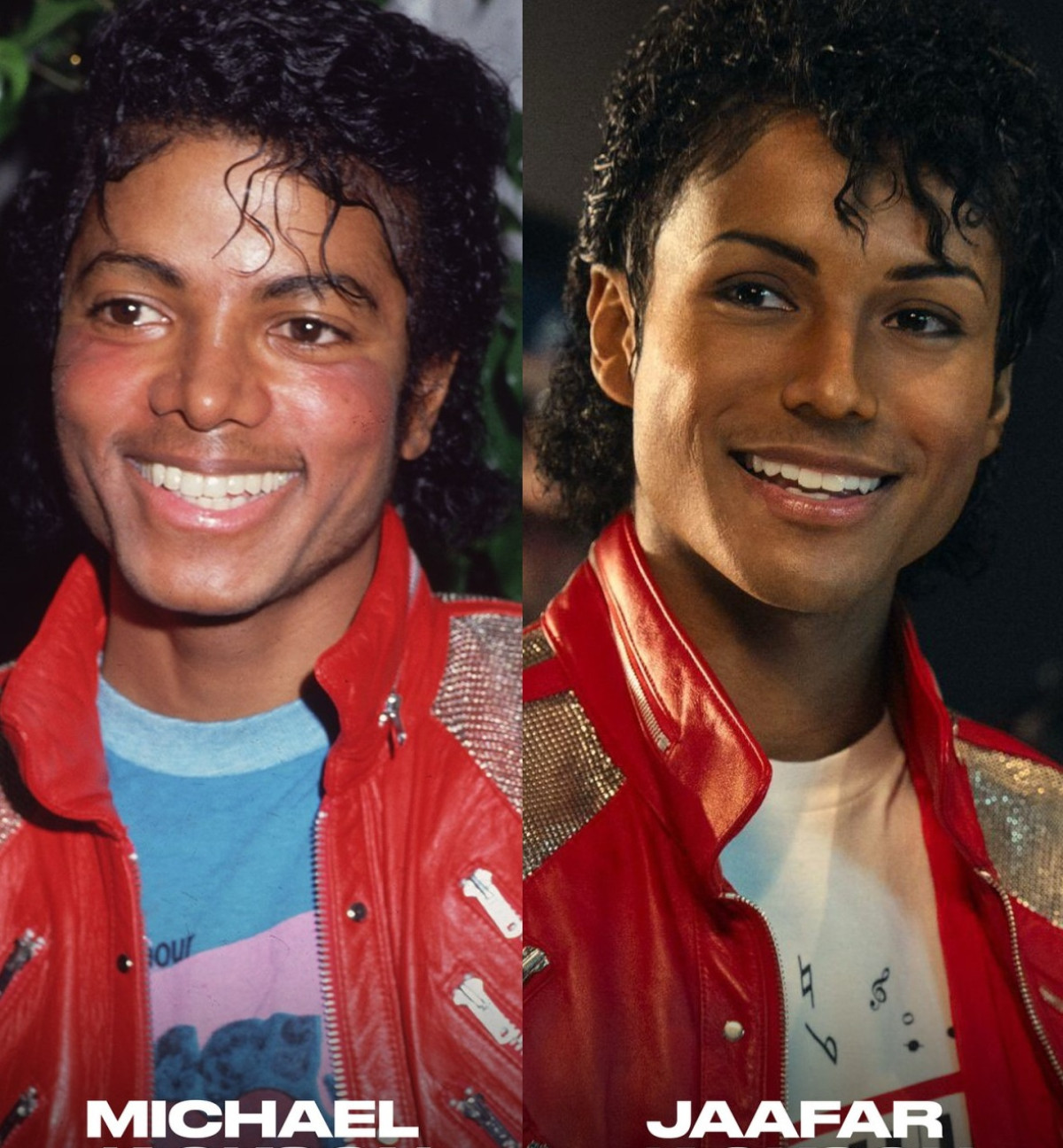
Watching the trailer on repeat because I cannot believe how much Jaafar looks and moves like his uncle. The genetics at work there are genuinely eerie.
Okay the Ice Truck Killer comparison the post makes is accurate and I am choosing not to think about it too deeply at 1am.
One thing I keep thinking about is how the messenger's job literally involves carrying other people's words. She has her own voice but she is professionally devoted to delivering the speech of others. That parallel to her own suppressed history feels deliberate.
Still waiting for someone to officially license the physical volumes in more markets. Seven volumes collected and they're not easy to get in a lot of places.
The determinism question raised in the article is the thing keeping me most invested. Can he actually change the outcome or is the demon invasion a fixed point regardless of what he does?
The article keeps calling the protagonist's existence bleak but I actually find it kind of peaceful? Like watching someone who has made peace with a reality most people would find horrifying. There is something meditative about that.
YA rating threw me off too. The emotional content is definitely heavier than most YA I have read. Maybe the absence of graphic violence or explicit content keeps it in that category technically.
The predictive modeling panels are the ones I reread most. Seeing multiple ghost futures superimposed over the present and then watching which one actually happens is genuinely addictive as a reading experience.
Aired on Fuji TV and Kansai TV in Japan means this is getting legitimate primetime treatment. That is not nothing.
The pricing model where unused credits expire monthly is a fairly aggressive way to extract value from people who are actively experimenting. That friction is real.
The sales team use case is the most compelling one for me. Reviewing AI summaries of 20 calls a week instead of listening to recordings is a massive time unlock for managers.
Nobody is talking about what happens to mid-tier videographers and on-camera talent in this scenario. The post celebrates efficiency but there are real livelihoods on the other side of that efficiency gain.
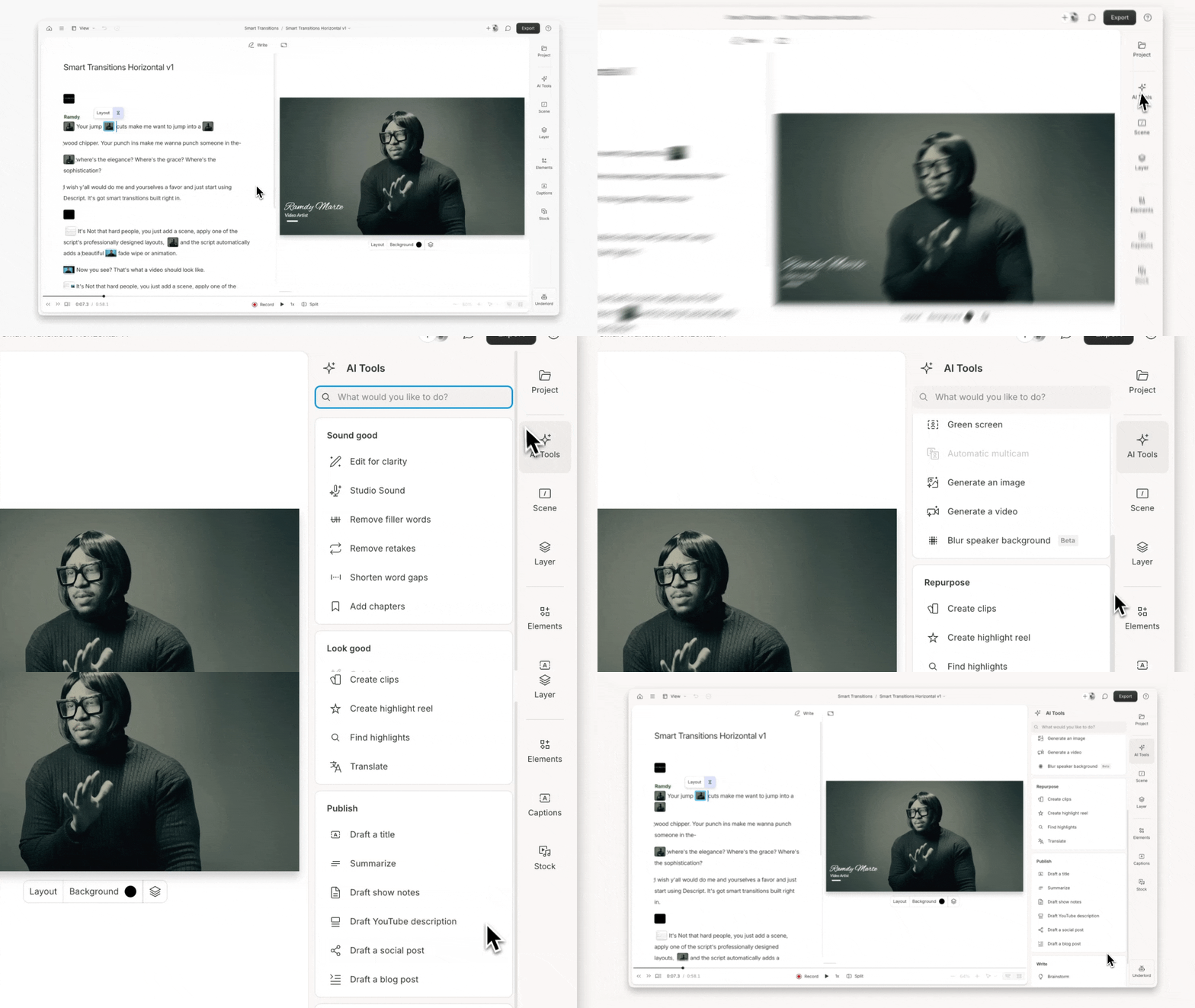
Most people can edit a Google Doc. Delete some words, rearrange sentences, fix typos, add paragraphs. It's intuitive and requires no special training. Now imagine editing video the same way. That's Descript's core innovation, and it transformed video editing from a specialized skill requiring expensive software into something anyone who can edit text can do effectively. Descript started as a transcription tool for podcasters. Record your podcast, upload it to Descript, and get an accurate transcript for show notes. But the founders realized something bigger. If you have a perfect transcript synchronized to audio, you can edit the audio by editing the text. Delete a word from the transcript and that word disappears from the audio. That insight became the foundation for a complete editing platform.
When Tomb Raider King first exploded onto the manhwa scene, it brought a fresh take on dungeon crawling stories by combining archaeological adventure with ruthless protagonist energy and a treasure-hunting premise that felt genuinely different from typical gate and dungeon narratives. The series built a dedicated fanbase through its satisfying blend of historical artifact powers, strategic relic acquisition, and a protagonist who wasn't afraid to be morally gray in pursuit of his goals. Now, with the anime adaptation confirmed for 2026 as one of the most anticipated manhwa-to-anime projects, Tomb Raider King is experiencing a resurgence. New readers are discovering the series while longtime fans eagerly await seeing Jooheon Suh's relic-hunting adventures brought to life with animation. The timing couldn't be better, as the series has built enough content to support a substantial adaptation while maintaining momentum in its ongoing storyline.

The fact that even Microsoft uses Claude Code internally despite selling a competing product (GitHub Copilot) is one of the most telling signals in this whole story. The market voted and it is hard to ignore.
The global cryptocurrency market capitalization has climbed back above the $2.5 trillion threshold, fueled by a massive liquidation of short positions and renewed institutional interest. Geopolitical developments and shifting investor sentiment combined to create a powerful rally that caught bearish traders off guard, resulting in substantial losses for those betting against the market. According to data from CoinGecko, the total market capitalization of all cryptocurrencies combined increased 1.4% to reach $2.52 trillion on Friday, April 10. Bitcoin experienced a notable surge of over 3%, briefly touching the $73,000 mark before consolidating around $72,000 at the time of writing. Ethereum demonstrated equally impressive strength, pushing past the $2,200 level, while the majority of top 10 cryptocurrencies by market capitalization also posted significant gains.

Meta committed hundreds of billions to build AI computing infrastructure and their first deliverable is a model that is competitive but not dominant. I respect the honesty in admitting that publicly. Most companies would have just called it the best.
The bumping heads moment with Piccioli got clipped and spread everywhere and honestly it was so endearing. Two people who clearly like each other being awkward on camera. Very human.