The part about evening chronotypes needing more deliberate intervention is the part I wish the article had expanded on. That 30-minute-at-a-time adjustment tip is buried near the bottom and it should be front and center.
9
Sign up to see more
SignupAlready a member?
LoginBy continuing, you agree to Sociomix's Terms of Service, Privacy Policy

The part about evening chronotypes needing more deliberate intervention is the part I wish the article had expanded on. That 30-minute-at-a-time adjustment tip is buried near the bottom and it should be front and center.
Four hours. The original cut was apparently four hours long. Part of me desperately wants to see that version.
The supplement industry reaching $1.48 billion in brain health products alone in 2025 explains why my social media feed looks the way it does. The marketing machine found the angle that resonates with younger consumers and is not letting go.
A part two that addresses the allegations head on would be commercially radioactive and the estate would never approve it. The His Story Continues tagline is either wishful thinking or the most optimistic end card in cinema history.
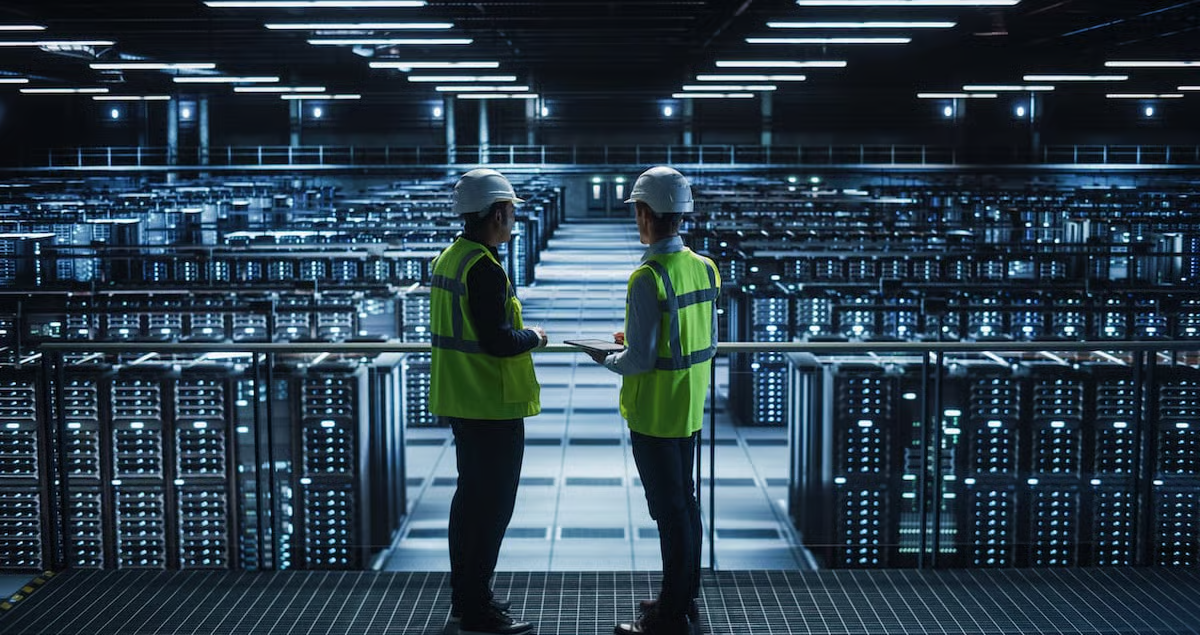
The technology sector is experiencing a paradox. While headlines scream about mass layoffs at major tech companies, a critical shortage is quietly building in one of the most essential areas of digital infrastructure. Datacenters, the physical backbone of our digital world, are facing an unprecedented demand surge, and there simply are not enough skilled professionals to build and maintain them. Countries across the globe are rushing to establish their own datacenter infrastructure. From India's ambitious plans to become a datacenter hub to the European Union's push for data sovereignty, and emerging markets in Southeast Asia and Latin America building their first large scale facilities, the construction boom is just beginning.
What really makes this different from other comedy isekai is that the comedy never undercuts the actual narrative stakes. When things get serious the jokes stop and the series earns it.
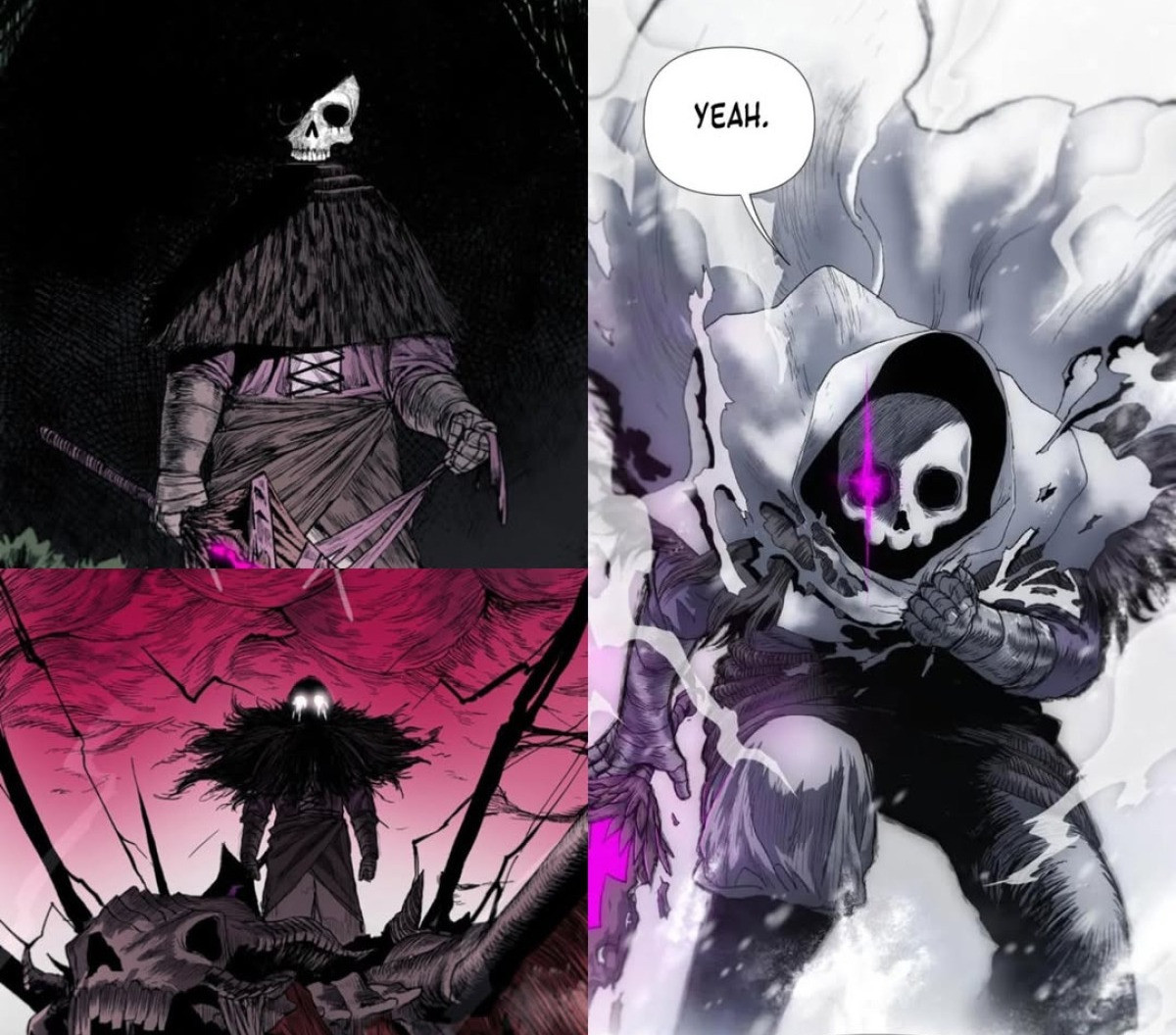
When a manhwa gets compared to Frieren: Beyond Journey's End but with a dark, bleak twist, expectations immediately rise. The Tale of the Skeleton Messenger, released on Webtoon in January 2026 by creators kain_y and SORAGAE, arrives with that exact premise and a tone that sets it apart from the increasingly crowded fantasy manhwa landscape. Most fantasy stories lean toward hopeful narratives where heroes overcome darkness through determination and friendship. Even dark fantasy typically offers glimmers of light and the possibility of triumph. The Tale of the Skeleton Messenger takes a different approach, embracing bleakness and melancholy in ways that feel refreshing rather than oppressive, thoughtful rather than nihilistic.
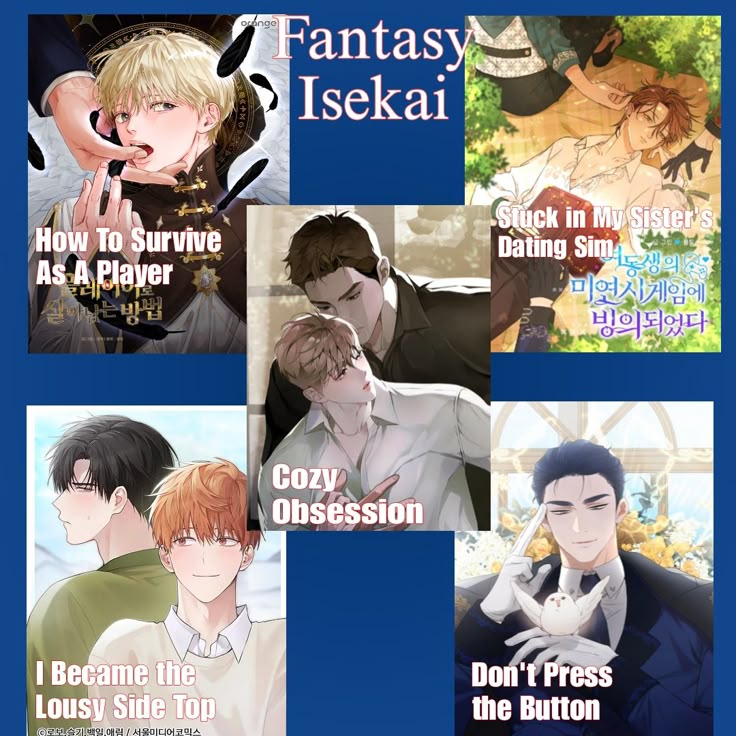
The BL (Boys' Love) genre has exploded in popularity over recent years, and isekai stories have dominated manhwa and manga for nearly a decade. Combining these elements seems like an obvious move, yet surprisingly few series have attempted it seriously. Shall I Write You A Love Letter, created by Nickup and Yutae and released on Lehzin in December 2025, takes the familiar otome isekai formula and transforms it into a compelling BL narrative that subverts expectations at every turn. Otome isekai typically features female protagonists transported into romance game worlds where they must navigate relationships with attractive male love interests. The formula has been refined through countless iterations to the point where readers can predict story beats from the first chapter. What makes Shall I Write You A Love Letter noteworthy is how it takes that established framework and examines it through a completely different lens, creating something that feels both familiar and refreshingly new.
Hot take, the real disruption here is not the AI avatars. It is the economics. When producing video number 100 costs roughly the same as producing video number one, the entire calculus of corporate training changes overnight.
Hot take: vibe coding tools that ignore security are going to cause a crisis. The new v0 at least took that seriously by building compliance controls into the platform. Most competitors have not done that yet.
As someone who works in legal services, the discovery risk here is not theoretical. Permanent searchable records of internal business discussions are exactly what opposing counsel subpoenas. Your candid meeting conversations become a liability.
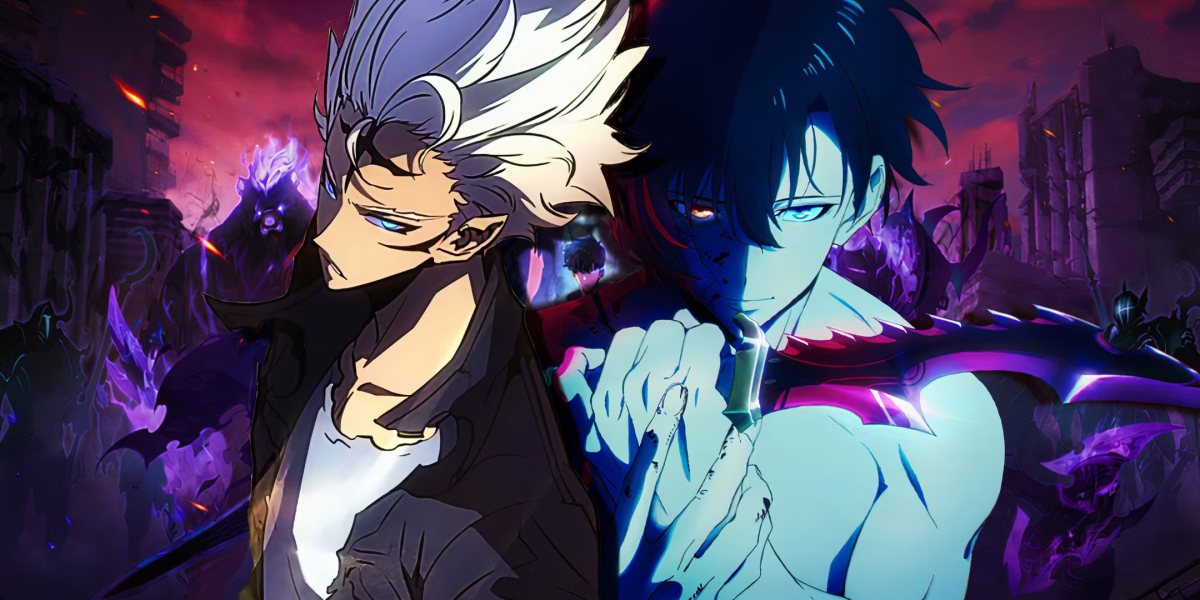
The manhwa world exploded when Solo Leveling first introduced us to Sung Jinwoo's journey from the weakest hunter to humanity's strongest defender. Now, Solo Leveling Ragnarok brings a fresh perspective to this beloved universe, and fans everywhere are asking the same questions. Can the sequel live up to the original? Do you need to read Solo Leveling first? What makes this continuation worth your time? This guide covers everything you need to know about Solo Leveling Ragnarok, whether you're a longtime fan or someone curious about jumping into the series Solo Leveling Ragnarok is not a reboot or alternate timeline. This is a direct sequel that continues the story years after the original series concluded. The protagonist shifts from Sung Jinwoo to his son, Sung Suho, who must forge his own path in a world still recovering from the catastrophic events his father prevented.
Vibe coding is the term people are using now and honestly it kind of perfectly describes the experience. You just describe the vibe and something appears.
Building software is hard because thinking clearly about what you want is hard. The AI did not solve that problem. It just made the execution part cheaper. The hard part was always the thinking.
Project Glasswing is either a genuine attempt to secure critical infrastructure or the most sophisticated enterprise sales move in tech history. Probably both.
Outcome-based meeting culture over attendance-based is a genuinely good idea that should have happened twenty years ago. The AI is just forcing a long overdue conversation.
Genuinely curious, does anyone know if Anthropic's safety focus actually influences which enterprise customers choose them, or is it mostly just Claude Code being better at coding tasks? Because those are very different stories about why they're winning.
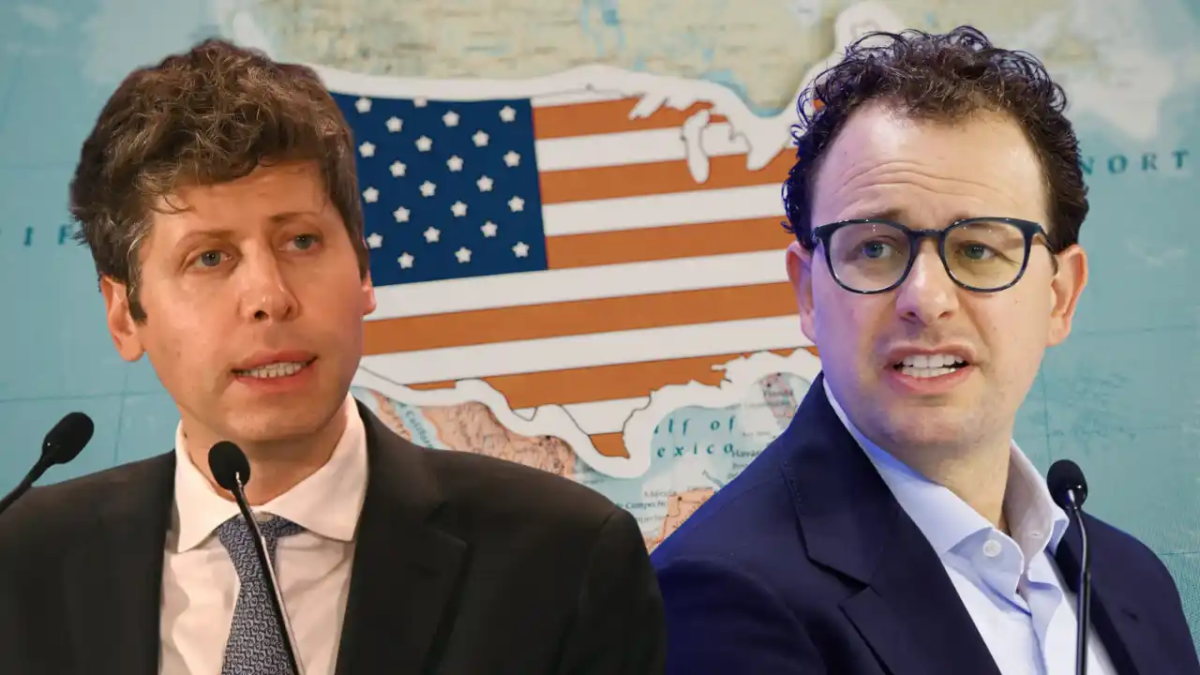
There's a photograph from February 2026 that pretty much sums up the state of AI right now. At the India AI Impact Summit in New Delhi, Indian Prime Minister Narendra Modi invited the world's tech leaders onstage for a group photo. Everyone held hands. Well, almost everyone. Sam Altman of OpenAI and Dario Amodei of Anthropic, standing right next to each other, refused to clasp hands and instead raised their fists separately. The internet, predictably, lost its mind. An awkward moment between OpenAI CEO Sam Altman and Anthropic CEO Dario Amodei at an AI Summit captured the increasingly icy relations between two rival tech leaders who started off as colleagues. That's not just petty drama. It's a window into what may be the most consequential corporate rivalry in the technology world right now, one that's playing out in boardrooms, courtrooms, Super Bowl ads, and billion-dollar compute deals all at once.
15 minutes is actually plenty of time to catch a typo. If you have not noticed your mistake within 15 minutes you probably were not going to notice it at all.
Cynical but probably partially correct. Companies bundle things intentionally. That does not mean the features are not good, just that the timing is strategic.