7 Life Learnings That You Can Grasp From These Famous Movies
Movies that may seem quite unreal, but sometimes can make you think about your own reality
Sign up to see more
SignupAlready a member?
LoginBy continuing, you agree to Sociomix's Terms of Service, Privacy Policy
Sign up to see more
SignupAlready a member?
LoginBy continuing, you agree to Sociomix's Terms of Service, Privacy Policy
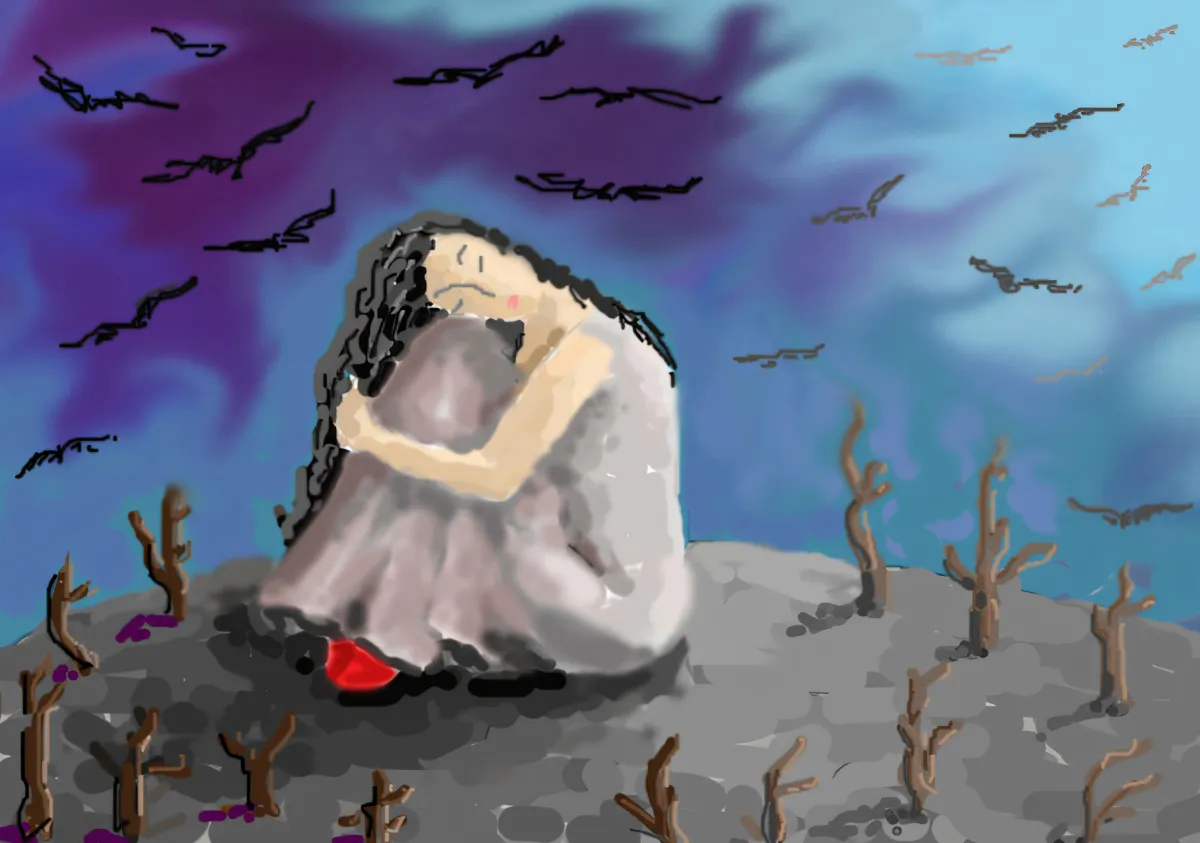
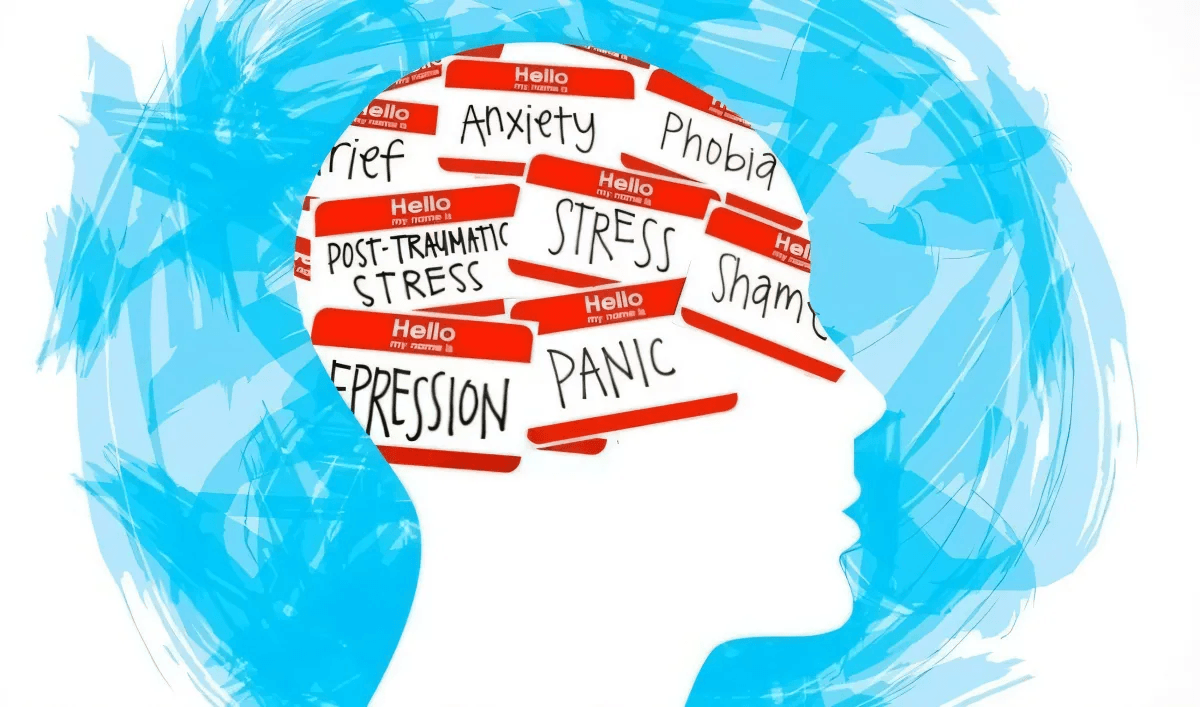
Due to the precautionary measure of maintaining social distancing and self-isolation being advocated to curb Covid 19, I often found myself sitting face to face with the one thing I preferred running away from, My mental health.
It made me wonder whether it's actually okay to not be okay, or is it really? Before now did we even have the time to think of that, to begin with? I might face some heat for writing this but I still feel it's worth the shot.
Sadly, in India, Mental health issues are even bigger taboo than in the west. Us, 'proud' millennials constantly boast about how modern, progressive, educated, ambitious and successful we are yet we fail to even acknowledge let alone actually even attempt to understand even the basics of mental health. We sure don't waste a single breath to point fingers when things go wrong.
We often even blame our parents, families, or even society by large for being less sensitive towards such delicate issues but are we even half as kind to ourselves if we fall a victim to it? Honestly, we don't really give a damn about it as long as it doesn't mess with our ability to constantly be in denial and put a brave face on for the world to see. Oh, and dear lord it never would or it's just what we choose to believe in because "We are not MAD!"
I for one have lost count of the number of times I've heard people say that to a person whose mental health might just be in shambles but they wouldn't want to actually believe that because again, "Get Busy, work harder and trust me you will feel better! Achieving your professional goals will rid you of your mental and emotional misery"
During the lockdown, it came as such a shocker that a lot of supposedly 'successful' Bollywood A-Listers ended up committing suicide. Even though a few of them are open cases as of now but the sad fact is that a person resorted to taking their his/her own life yet a lot of people aren't still willing to admit what a burden poor mental health can be for the person suffering from it or that they even weren't mentally fit for quite some time.
We never really made stable mental health as a necessity to lead a happy, successful, and balanced life. As long as we are politically and socially conscious, are constantly on our toes and of course future-focused, all is good! In fact, to add to that more the zeros on our paychecks the happier and positive we would feel.
As if by having the perfect job, the perfect house, and all the bounties and privileges available to mankind we are entitled to feel happier. This Toxic notion and idea of happiness and success are so deeply ingrained within us that we choose, not to believe it. We happen to be so future-focused with the idea of creating our 'Perfect Instagram(able) worthy lives' that we don't even allow ourselves the time to take a breather and just for once have the courage to ask ourselves whether this is the kind of 'perfect' what we truly even wanted in the first place or is this just a way to be a part of the herd?
How about the perfectly imperfect life we might wish to have as long as we feel happy with ourselves and are not constantly weighed down with the escalating pressure to Look and feel perfect mentally and physically, at all times. To have our head in the game and dare not lose it either.
It's a shame how we wouldn't bat an eyelid at a person who might be unwell or may be physically challenged but readily labels a mentally ill person as "Insane" or simply a hopeless case. Honestly, the world would be such a comforting place to be if only we were taught how to be more loving, supportive, and accepting towards ourselves and others too, Just the way we are. The Good with the bad, the dark parts with the light.

The comparison to physical illness is powerful. Both deserve equal care and attention.
The article really captures the generational divide in understanding mental health.
We need more public figures speaking openly about their mental health struggles.
The part about denial really struck me. We're so good at pretending everything's fine.
I think younger people are much better at recognizing and addressing mental health issues.
The article perfectly captures how we prioritize career success over mental wellbeing.
It's true about millennials bragging about being progressive while still stigmatizing mental health issues.
Sometimes I wonder if social media is helping or hurting mental health awareness.
The pandemic really exposed how poorly equipped we are to handle mental health crises.
I've started being more open about my therapy sessions with friends. Most are surprisingly supportive.
True, but mental health awareness doesn't automatically translate to acceptance or understanding.
It's refreshing to read something so honest about mental health in the Indian context.

Being perfectly imperfect is such a powerful concept. We need to embrace this more.

The article's point about success not guaranteeing happiness is so important. We need to redefine what success means.


This reminds me of how my workplace still treats mental health days differently from sick days.
I wish schools would teach children about mental health from an early age. It would make such a difference.
The pressure to maintain a perfect social media presence definitely impacts mental health negatively.
Talking about mental health is one thing, but access to affordable treatment is still a huge issue.
I actually found the lockdown helped me focus on my mental health. Finally had time to start therapy.
The comparison between physical and mental illness treatment in society is spot on. We need to bridge that gap.
I've noticed more people openly discussing therapy on social media. That was unthinkable just a few years ago.
Working harder isn't always the answer. Sometimes we need to work smarter and take care of ourselves first.
My parents still don't understand anxiety or depression. They just say Get over it or Think positive.
The article makes some valid points, but I think it's too harsh on society's progress. Things are slowly changing for the better.
What struck me most was the part about being kind to ourselves. We're often our own harshest critics.
I feel seen. The pressure to just work harder and get busy when feeling down is so real.
Can't believe we still use words like mad and insane so casually. Language matters when discussing mental health.
I work in HR and I've seen a positive shift in how companies are approaching mental health support for employees.
The Instagram-perfect life comparison really resonates with me. We're all trying to maintain this facade of perfection.
Interesting perspective, but I think the article oversimplifies the progress we've made in mental health awareness, especially in urban India.
The lockdown forced many of us to face our mental health head-on. It was challenging but maybe that's what we needed.
I disagree that millennials don't care about mental health. In my experience, we're actually more open to discussing it than previous generations.
The part about successful Bollywood stars really shows that mental health issues can affect anyone, regardless of their status or wealth.
I appreciate how the author points out the disconnect between our supposedly progressive mindset and our actual attitudes toward mental health.
This article really hits home. I've struggled with anxiety for years but always felt pressure to keep it hidden from colleagues and friends.
Movies that may seem quite unreal, but sometimes can make you think about your own reality
What does a mental health day mean to you and do you really need one for your wellbeing?
Creativity is just as important as logic
How being kind to oneself creates opportunities for personal growth and improved mental health
As far as human conditions are concerned, addiction and mental health disorders are nothing new. However, understanding these afflictions and ourselves is less than perfect science. Take a look into our history and these themes are seen repeatedly. Snippets revealed in arts, societies, and sciences alike. It may be ugly but look closely, what we know now certainly isn't what it used to be. We’ve come a long way from exorcising schizophrenics, eating happy paints, and letting women die of broken hearts and black drapes. Our minds are intricate things and even now some of our most intimate workings remain mysteries. The good news is they're ready to learn. We know mental health refers to a person's psychological and emotional well-being and mental illness attacks this health.
Sometimes the best way to ensure wellness for people is getting outside.
From spiritual practices to earthing, there are a lot of out-of-the box things that can be done to help your anxiety.
Mental disorder can affect men and women in different ways and there are some mental disorders that are unique to women.
These fifteen shows promote positive mental health in an age-appropriate way.
Throughout the monotony of everyday life, the difficulties and challenges we regularly face, and the mounting stress that is often a byproduct of being an adult, we tend to push self-care aside and opt for instant gratification and immediate relief. We don’t take proper care of ourselves anymore in this obstreperous world, and we instead allow the busyness and unpredictability of life to expropriate the care and nurturance we are entitled to provide ourselves with. Taking care of yourself means that you are providing for your needs in ways that are conducive to enhancing your physical and mental wellbeing. In order to live a fulfilling life, we must satisfy our earthly needs as well as our inherent ones.
Life advice is something we all desperately need, especially in a time where relationships and life has been changed by a pandemic.
Breaking down the things I wish I knew about adulthood when I was a teenager
I have an unforgettable memory. I was at my best friend's house with my sister for a slumber party (the most audacious, wild discussions always happen at slumber parties for some reason). We were 11 years old, the three of us, just before puberty hit. But for some inexplicable reason, we were all a bit precocious, at least as far as our bodies were concerned. In our awkward naive way, all three of us had experienced the awakening of our sexuality. We hardly had the words for it. “I touch myself.” “I touch myself all the time when I wash my face in the shower when I pull out an eyelash...”
The pandemic has exacerbated the global state of mental health. Now with travel restrictions loosening, more people are itching to leave their homes and vacation far and wide. Evidence suggests this could help combat anxiety, depression, and other mental health disorders.
With the spread of the Coronavirus (Covid-19) pandemic, everyone's life underwent a dramatic change across the world, the US included. The work sector made no difference, this pandemic forced people and governments to take precautions they never thought of. Although some of us went back to our normal workplace, many Americans are dealing with a return phase or still working from home. Due to this pandemic, people feel like going through unexplored waters, forcing people, governments, and businesses to find new methods to continue working and interacting with one another, but without forgetting to take care of themselves, their mental health, and general well-being.
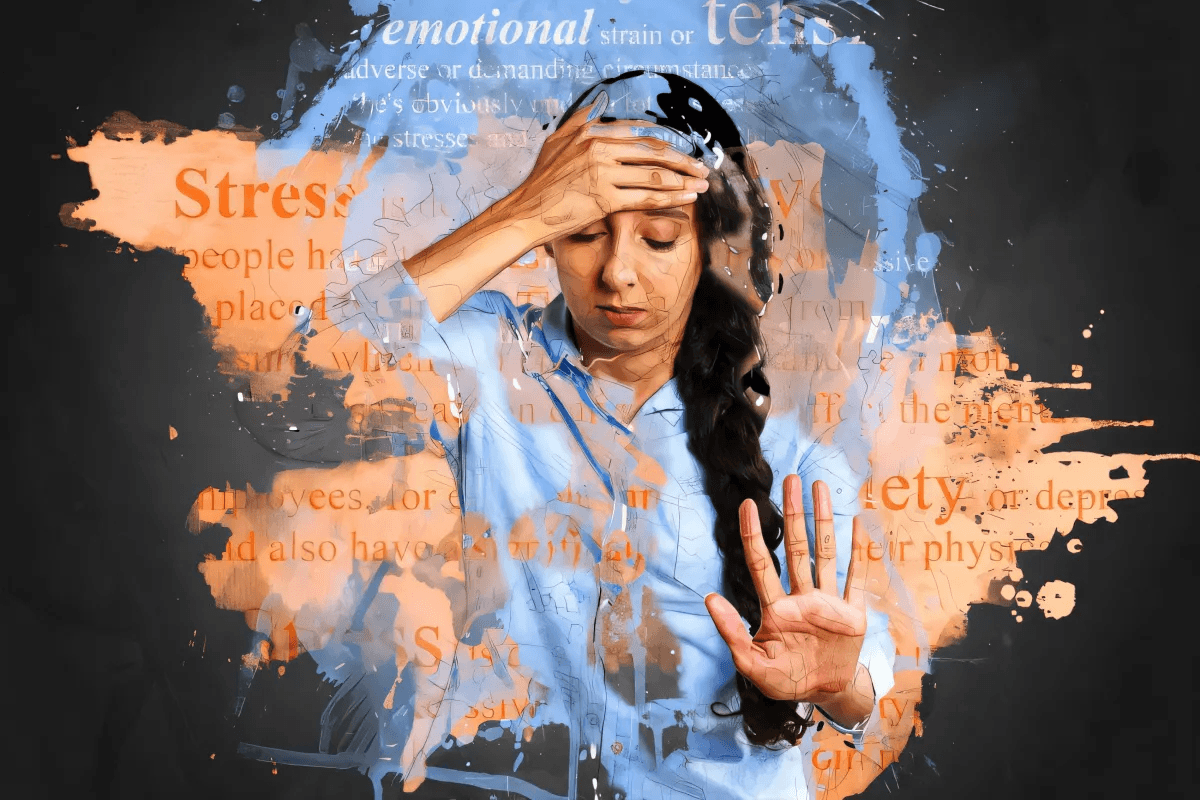
What is mental health? According to World Health Organization (WHO), mental health is defined as "a state of well-being in which the individual realizes his or her abilities, can cope with the normal stresses of life and develop his full potential, can work productively and fruitfully, and can make a contribution to his or her community." It is totally normal for mentally healthy people to also feel sadness, anger, or unhappiness, which are the core components of a meaningful life. Nevertheless, a good state of mental health quite often is considered as a positive state of mind, filled with happiness, and being in control over the situation and environment.
It's never easy to walk away from a person you know; however, there are signs for when you should walk away.
Join independent creators, thought leaders, and storytellers to share your unique perspectives, and spark meaningful conversations.