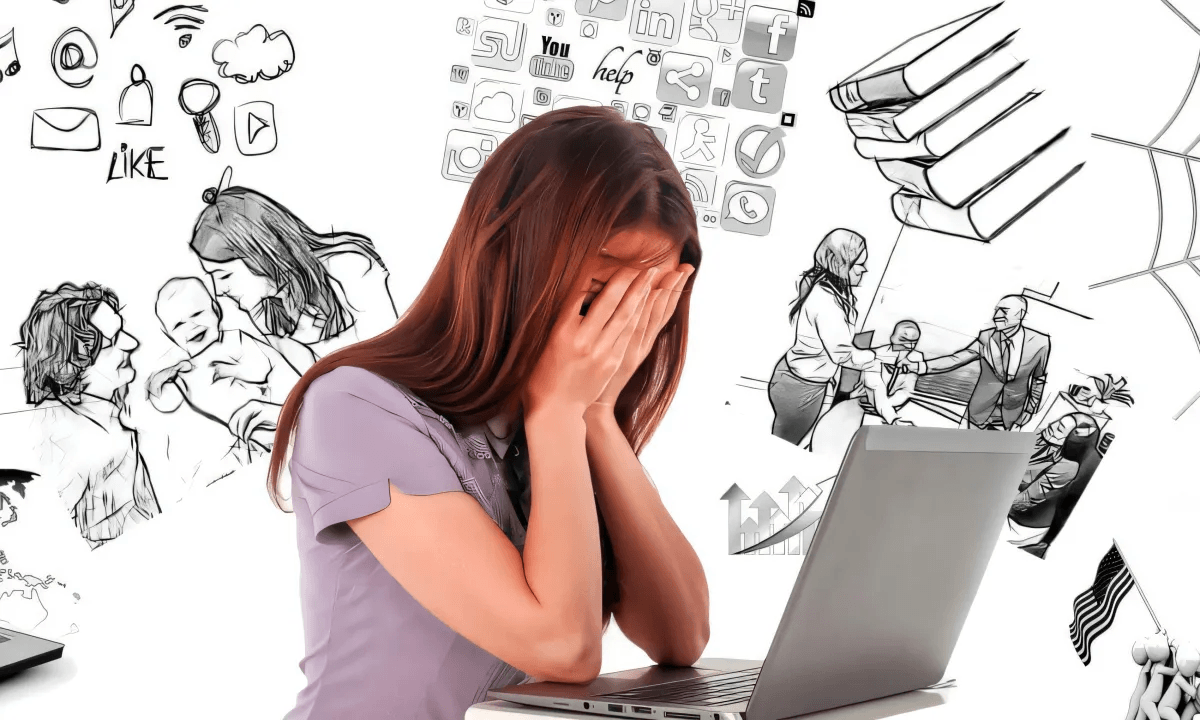
Dealing With Stress And Anxiety During The Pandemic
Coping with our new normal and dealing with excessive stress and anxiety caused due to isolation during the pandemic
Sign up to see more
SignupAlready a member?
LoginBy continuing, you agree to Sociomix's Terms of Service, Privacy Policy
Sign up to see more
SignupAlready a member?
LoginBy continuing, you agree to Sociomix's Terms of Service, Privacy Policy
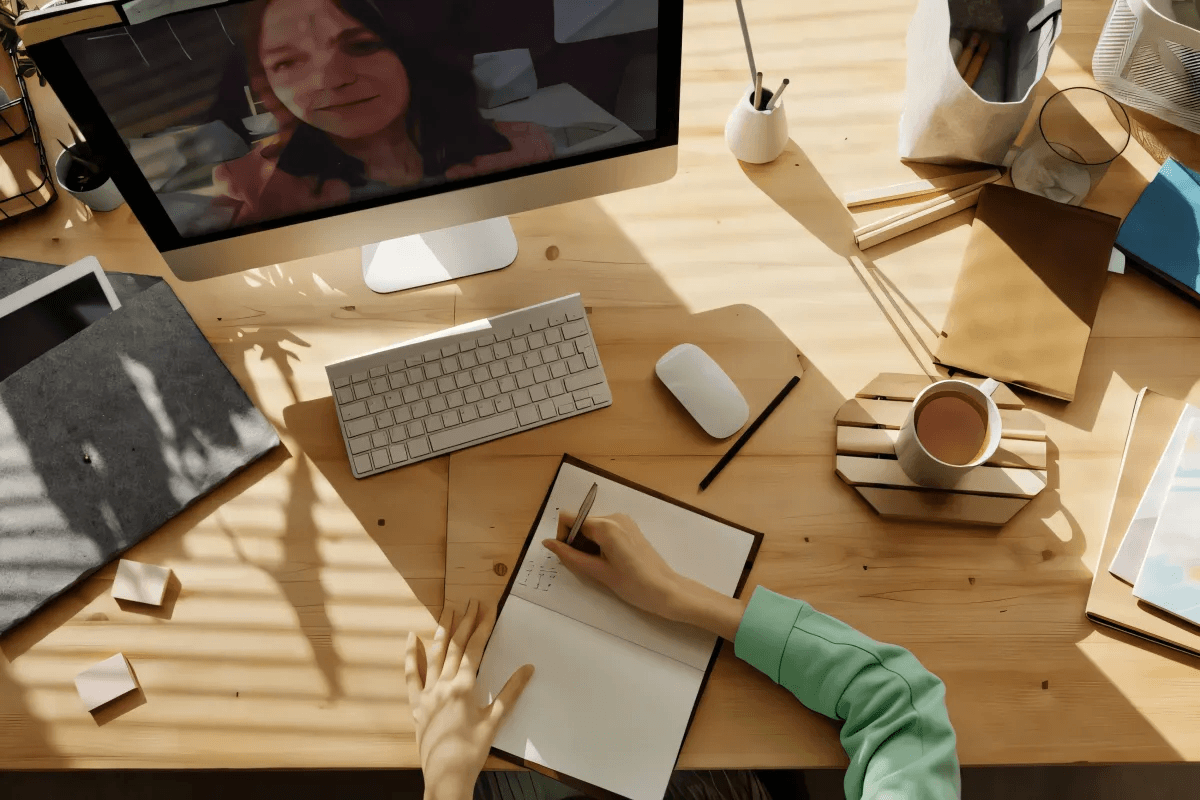
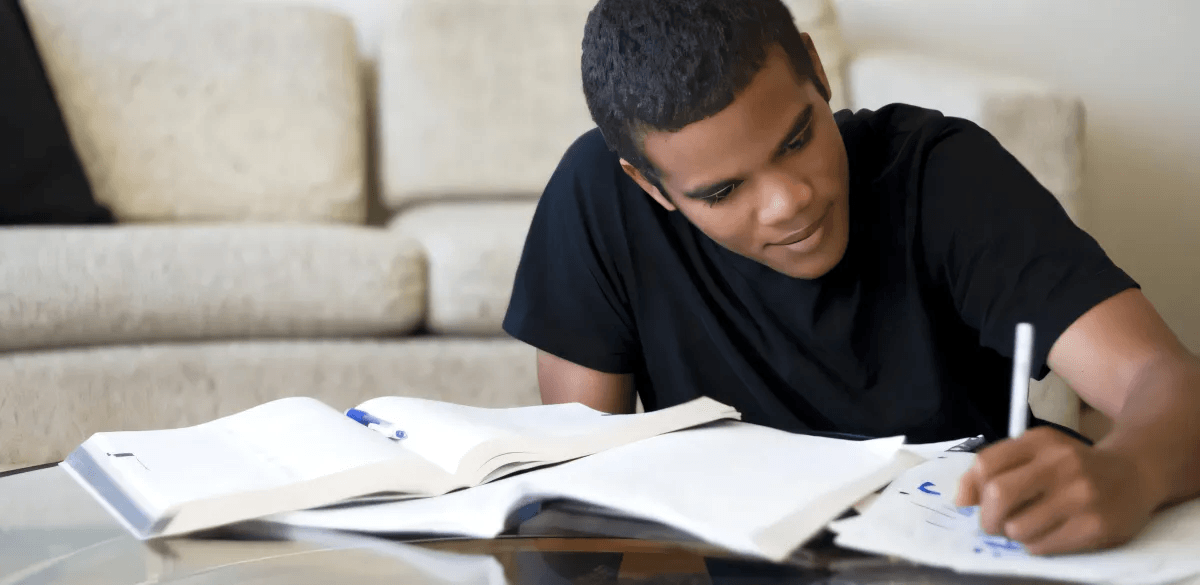
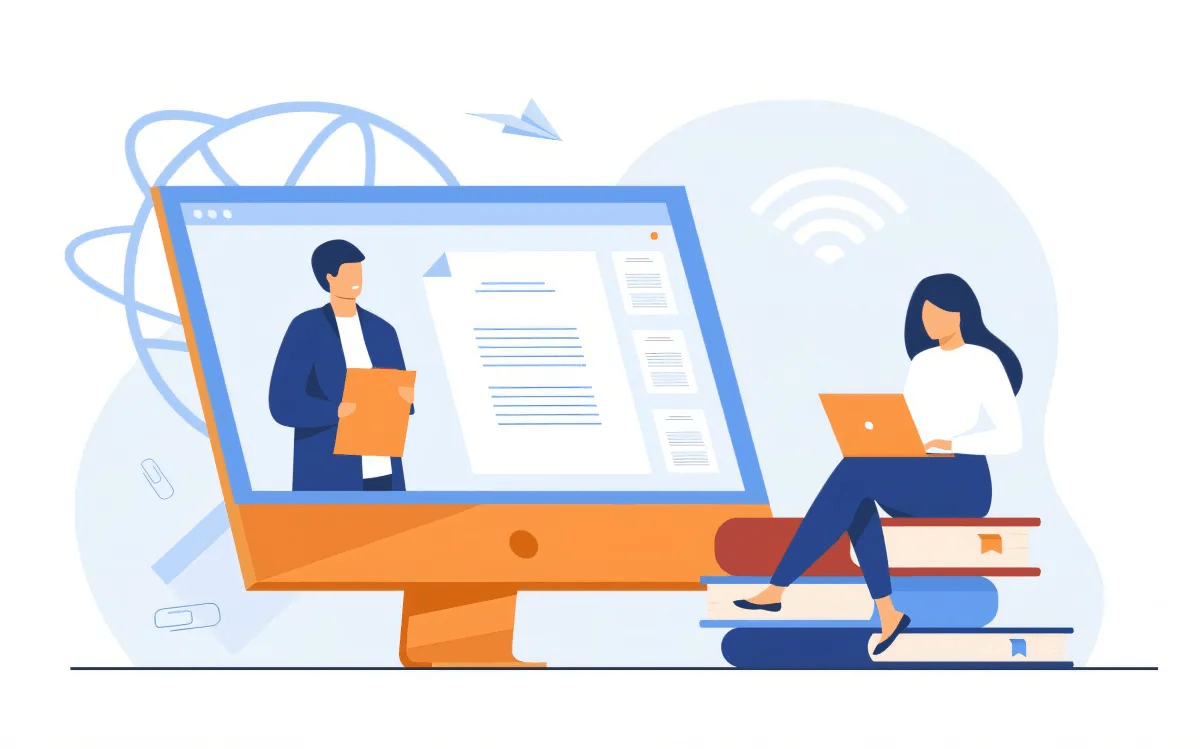
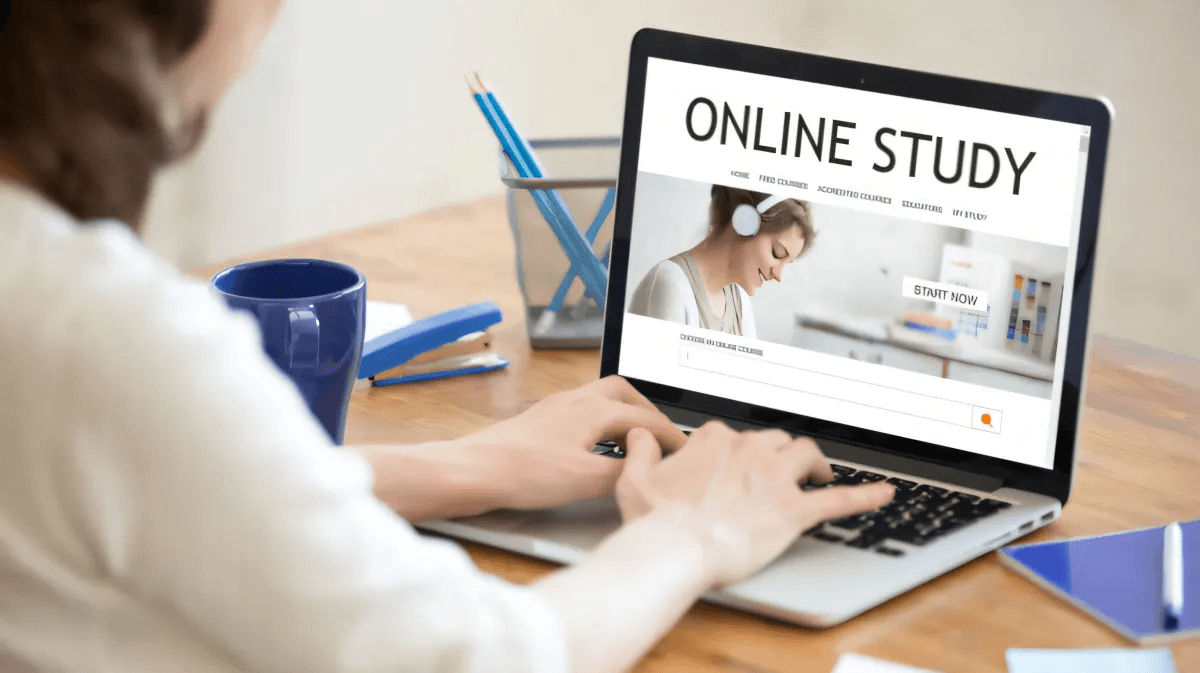
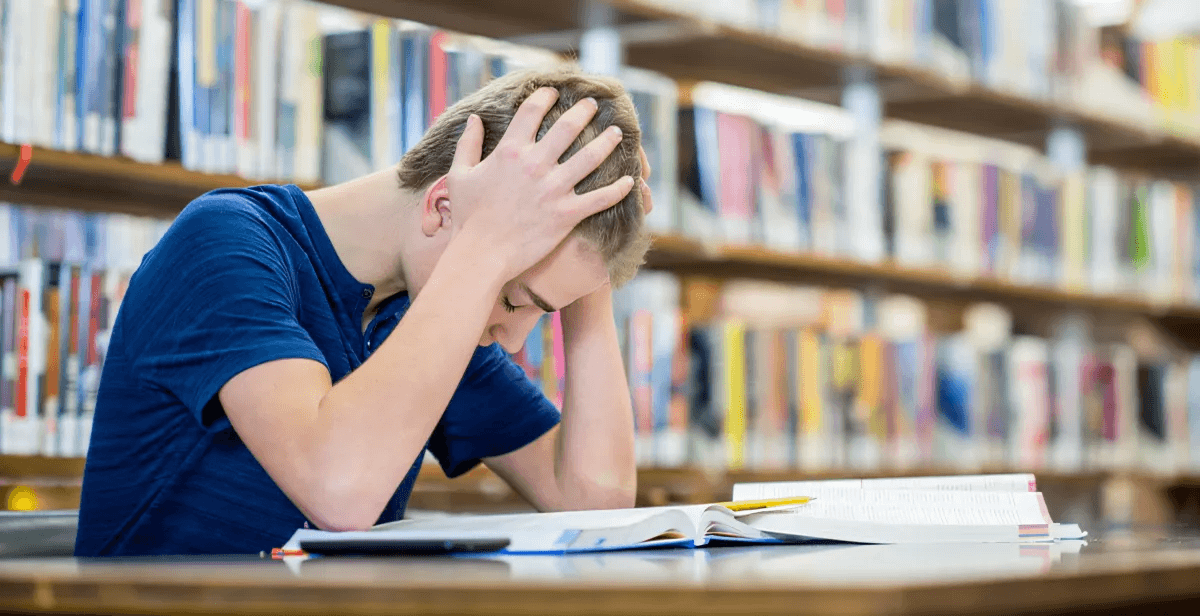
Online school has become a new source of stress for students. On top of the usual stress that comes with school and homework, online learning brings in a new factor: time. Many teachers think that since you are not physically going to school for eight hours a day, you have more time to do schoolwork. This, however, is not true at all. Students are still taking the same course load they would've taken in person, but just because it's now all online doesn't mean that it's any less work.d
Another thing that plays a role in the stress of online school is activity or movement. Sitting in front of a computer for up to six hours at a time can be extremely draining. In physical school, you would find yourself walking from class to class and paying attention to a physical person teaching you, but with an online course, it is hard to stay in the same spot for however long your classes take.
Here are a few ways that students can use to relieve the stress of online schooling.
Because you are not physically going to school, that means you are staying at home, which in turn means you are not seeing your friends that you'd typically see at school. Even to introverts like myself, this becomes a real stressor as time goes on; not seeing almost anyone except for my three roommates for months at a time is extremely taxing on my mental health.
To help relieve the stress of staying at home all day and not seeing your friends, you need to keep social. Make sure that you take quality safety measures when you go out, but going out nonetheless is necessary for everyone. Seeing others can help you focus on something other than school for a while.
Exercise is a great way to relieve any kind of stress, but it will significantly help with the stress of online classes. Sitting in front of a computer for hours at a time can make you tired, anxious, and of course, very stressed. Taking time to exercise will help your body to remain alert and active.
You don't have to go to the gym for three hours or do anything that drastic by any means, but any simple exercise will help. Going on a short walk, just getting out of the house, will help.
With online school, time management is a must. Since you are now all on your own and have the entire day to do your schoolwork, it's very easy to forget your responsibilities and procrastinate.
Managing your time wisely will help reduce your stress by making you less overwhelmed. Looking at a sheet of paper with all the things you have yet to do can be very stressful, but if you can break that down into certain time slots for each task, you may find that you are no longer overwhelmed.
Taking breaks is an essential thing to do when taking online classes. It can be easy to get in the groove of homework or simply get caught up in the millions of things you need to do that you end up going for hours on end. This, however, is not healthy for your mental or physical health.
Taking a break from your schoolwork while taking classes at home can be very beneficial in multiple ways. A short break can help you regain your energy, your attentiveness, and even your motivation.
This goes along with taking breaks. Take a break from your schoolwork to do something that you enjoy doing, a hobby, or anything that makes you happy.
I often take breaks from schoolwork to either write (for fun, yes), watch a tv show that I like, or maybe get outside for a little bit if the weather allows.
Going outside is a great way to relieve stress. Sitting inside all day in front of a computer is draining, but sitting out in the sun will definitely help you feel a little bit better at least. You don't have to do anything active if you don't want to, you can simply sit outside and read or just rest for a while.
If short breaks of outdoor time aren't enough for you, try bringing your schoolwork outside. Doing schoolwork outside in the nice weather can be very stress-relieving. With a nice breeze and the warm sun, you can relax while also getting work done.
I often find that taking breaks stresses me out even more because all I can think about is all the homework I have yet to do so, for me, going outside to do homework is a great way to relieve my stress. If it's a nice day, I'll almost always find myself sitting outside in the sun doing my homework. Sure, it's harder to see my computer screen, but that's a small sacrifice.
Another benefit of going outside to do your schoolwork is a change of scenery. I used to love going to a coffee shop to do my homework because it was a nice change of scenery from my desk at home. Of course, coffee shops these days aren't really open to seating so going outside is the best option for me.
Simply taking a breath may help with your stress. Sitting back and taking a deep breath, realize that you do indeed have the time to finish your work and that you will indeed finish it because you are very capable. Simply believing in yourself can help you go a long way.

The article should address the challenges of staying motivated without peer interaction.
Setting boundaries between school and personal time is crucial for mental health.
I actually prefer the flexibility of online classes for managing my schedule.
The mental exhaustion from online learning is different from regular school fatigue.
Creating a dedicated study space has helped me separate school from relaxation time.
The article should address how to handle distractions at home during class time.
The suggestion about breaks is good but hard to implement with back-to-back classes.
The stress relief tips are helpful but don't address the root cause of overwhelming workload.
Setting up a proper desk space made a huge difference in my focus and productivity.
The article should mention the importance of having a backup plan for tech failures.
I've actually improved my time management skills because of online learning.
The social aspect is important but we shouldn't feel pressured to maintain the same level of interaction.
Taking notes by hand instead of typing helps me stay focused during online lectures.
I appreciate how the article acknowledges that online learning isn't easier just because we're home.
I've found that changing my study location within my house helps prevent boredom.
The suggestion about believing in yourself sounds nice but doesn't help with actual workload.
Creating a morning routine has helped me transition better into online learning mode.
The article should address the financial stress of needing better tech equipment.
I find it harder to ask questions in online classes. The whole raise hand feature is awkward.
The article should mention how important it is to have a good chair for back support.
I started doing yoga between classes and it helps with both physical and mental stress.
Taking breaks seems counterproductive when I have so much work, but I know they're necessary.
I actually love being able to record lectures and review them later. That's one advantage of online learning.
These tips would be more helpful if teachers were more understanding about workload.
The lack of separation between school and home life is what stresses me out most.
I've found that regular meditation helps me handle the stress of online classes better.
The article understates how hard it is to focus during online lectures. My mind wanders constantly.
My productivity improved when I started treating online school like regular school - getting dressed and having a dedicated study space.
I disagree that we need to stay social. Some of us are thriving with less social interaction.
The part about time management is spot on. I had to create a strict schedule to stay on track.
I've actually found online learning less stressful because I can work at my own pace.
These tips are good but they don't address the tech issues that make online learning so frustrating.
I miss the structure of physical school. Online learning requires so much more self-discipline.
The suggestion about staying social is important but hard to implement with current restrictions.
Sometimes I feel guilty taking breaks, but I've learned they're absolutely necessary for staying productive.
I've found that maintaining a regular exercise routine helps me stay energized for online classes.
The tip about bringing schoolwork outside is great but my laptop screen glare makes it almost impossible.
Anyone else notice they're more exhausted after a day of Zoom classes than regular school? It's weird how draining screen time can be.
Getting outside has been crucial for my mental health during online learning. Even just a 10-minute walk makes a difference.
I started using the Pomodoro technique mentioned in the time management section and it's helped me stay focused.
My neck and shoulders are killing me from hunching over my laptop. Anyone else having this problem?
I actually prefer online classes. No commute time and I can study in my pajamas!
The part about teachers thinking we have more time really hits home. If anything, online work takes longer than in-person assignments.
Managing time is my biggest challenge. I keep thinking I have all day to do work but end up procrastinating until late at night.
The social isolation has been the hardest part for me. Video calls just aren't the same as seeing friends in person.
I've found that doing 5-minute stretching breaks between classes makes a huge difference in my energy levels.
These tips are helpful but let's be real - online learning is still way more stressful than in-person classes ever were.
Taking my work outside has been a game changer for me. I set up a little study space on my patio and the fresh air helps me focus so much better.
I really relate to the struggle of sitting in front of a computer all day. My eyes are so tired by the end of classes!

Coping with our new normal and dealing with excessive stress and anxiety caused due to isolation during the pandemic
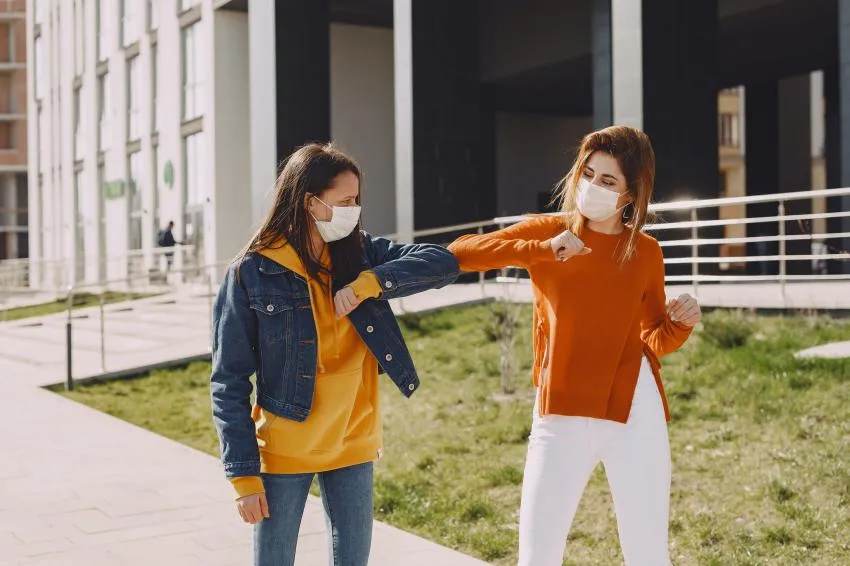
The pandemic forced the entire world to adapt to new sets of rules, following social distancing measures, self-isolating when traveling, and respecting provincial and feral laws surrounding your social bubble. The entire world has to adapt to the “new normal” until the coronavirus isn’t a threat to society anymore. Fear and anxiety about what could happen can be overwhelming and cause strong emotions in adults and children. Public health actions, such as social distancing, can make people feel isolated and lonely and can increase stress and anxiety. With that being said, you must be tired of hearing the impact of covid on our daily life.


What does a mental health day mean to you and do you really need one for your wellbeing?
Read on for some quick easy tips and an extensive executable lesson plan at the end
Find quick relief from stress with these tips that are backed by science.
There are a number of ways that we have adjusted to living in quarantine.
Take back your life with these 7 easy to follow de-stressing tips!
Everybody gets stressed out. These items can help you manage that stress, without breaking the bank.
Being a student with extracurriculars can be hard enough as it is. Once school gets added to the mix, it gets even harder. Here are 10 tips to help you study despite being busy with extracurricular activities.
A lot of us skipping the gym and working out at home has become part of the new normal, but exercising regularly is a challenge in itself. It has become even more important to find your fitness motivation.
Got a deadline coming up and no motivation? These tips have got you covered!
Online school has been very hard on students causing a lot of burnout. These tips can help you push through that burnout.
You pull on your leggings, tie up your laces, tighten your ponytail, and secure your EarPods. The weather is beautiful, perfect for a run. You head out down your normal route and run a couple of miles with the music pumping in your ears. With a glistening sheen of sweat, you circle back home and head inside to cool down. As you wipe your face with a towel and lie under the fan, you feel strong and energized. The endorphins are racing through your body and you feel empowered, ready to take on the world. You’re tired but you feel proud and content. Maybe you’ve just finished a yoga, barre, or Pilates class. You may have just wrapped up a CrossFit WOD, a weightlifting session, a dance, or a kickboxing class. Maybe you’ve just knocked out a quick HIIT workout or spent 30 minutes on the Stairmaster.
How does a professional-student transition into life after school? A list of what I wish I knew and what I know now after graduating.
We all need some self-care every now and again, but sometimes the advices online leave us sceptical and not phased.
Are you starting university this year? Here are a few tips that may help to get you started, and help you breeze through your first year.
The standards of education have dramatically changed since the last year 2020 where the methods of meeting in a classroom with a teacher and having an interaction with other students have now been challenged and transformed to remote learning. According to Andy Lalwani's,The Most Popular education trends in 2021is the fact that students will be able to learn faster which will make them smarter to be far more effective in determining the career path, however, teachers need to be more willing to accept not only the constant demands and growth of technology but how to use their classroom in a whole new way which includes helpful steps to make a positive learning environment educational.
Living independently for the first time can be scary. Prepare yourself and learn how to live well on your own with these helpful tips.
The wish of every parent for their child is to have success in life and fulfill his dreams. Children and teenagers face challenges to overcome during the road to progress, but it is important to remember that whatever duty or task a teen may face, it carries a considerable amount of stress for them. But what is stress? Stress is our body's response to pressure. There are various situations or life events that trigger stress. It happens when we are faced with something new, unknown, which is a threat to ourselves, or if we have no control over something. In such cases, adrenaline is released which raises heart and breathing rate. Our muscles become tense and we are in a state of alertness.
Stress is a normal reaction to everyday pressures, which may be closely related to a particular situation or event. Our body's reactions can be physical, mental, or emotional. Being under a lot of pressure, e.g, situations when you have a lot to think and deal about, or not having enough control over what's happening. So far there is not a clear-cut medical definition of stress and scientist have not reached a common conclusion if stress is the reason for problems or the result of them. When stress happens, it is trying to say that something requires our attention and that we must take action. Our bodies are created in a way to experience stress and respond to it while we panic.
With the spread of the Coronavirus (Covid-19) pandemic, everyone's life underwent a dramatic change across the world, the US included. The work sector made no difference, this pandemic forced people and governments to take precautions they never thought of. Although some of us went back to our normal workplace, many Americans are dealing with a return phase or still working from home. Due to this pandemic, people feel like going through unexplored waters, forcing people, governments, and businesses to find new methods to continue working and interacting with one another, but without forgetting to take care of themselves, their mental health, and general well-being.
Stress is an undeniable fact that plays a crucial role in our life, an unavoidable reality we have to accept if we want to live our lives meaningfully. It is a normal part of our lives, we deal with it every day. According to the NIMH National Insitute of Mental Health, stress is the way our body reacts to any demands. It comes in many different forms, amounts, and situations. People experience stress differently from one another. Stress may be triggered by small events, like traffic jams, a long line at the store, or it can be the outcome of a crisis or big change in life like the death of a loved one, divorce, the pandemic, etc.


Join independent creators, thought leaders, and storytellers to share your unique perspectives, and spark meaningful conversations.