How Travel Can Help Curb Mental Illness

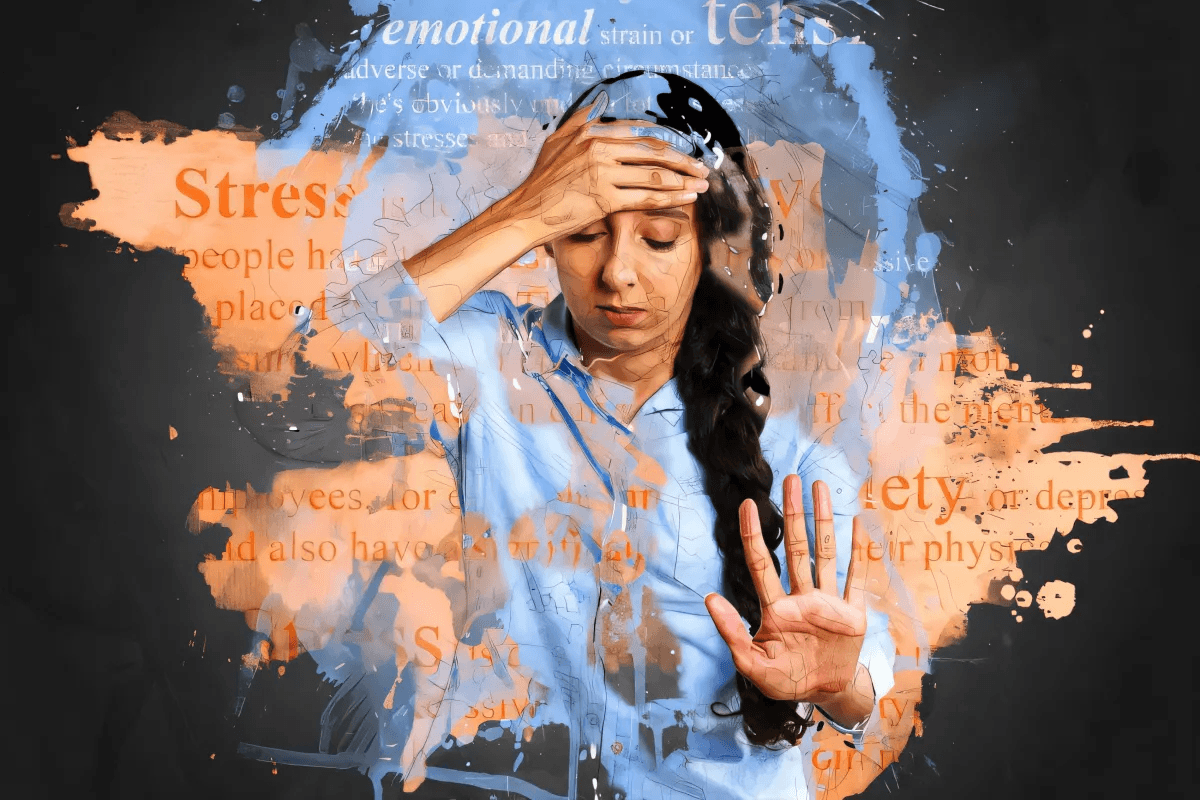
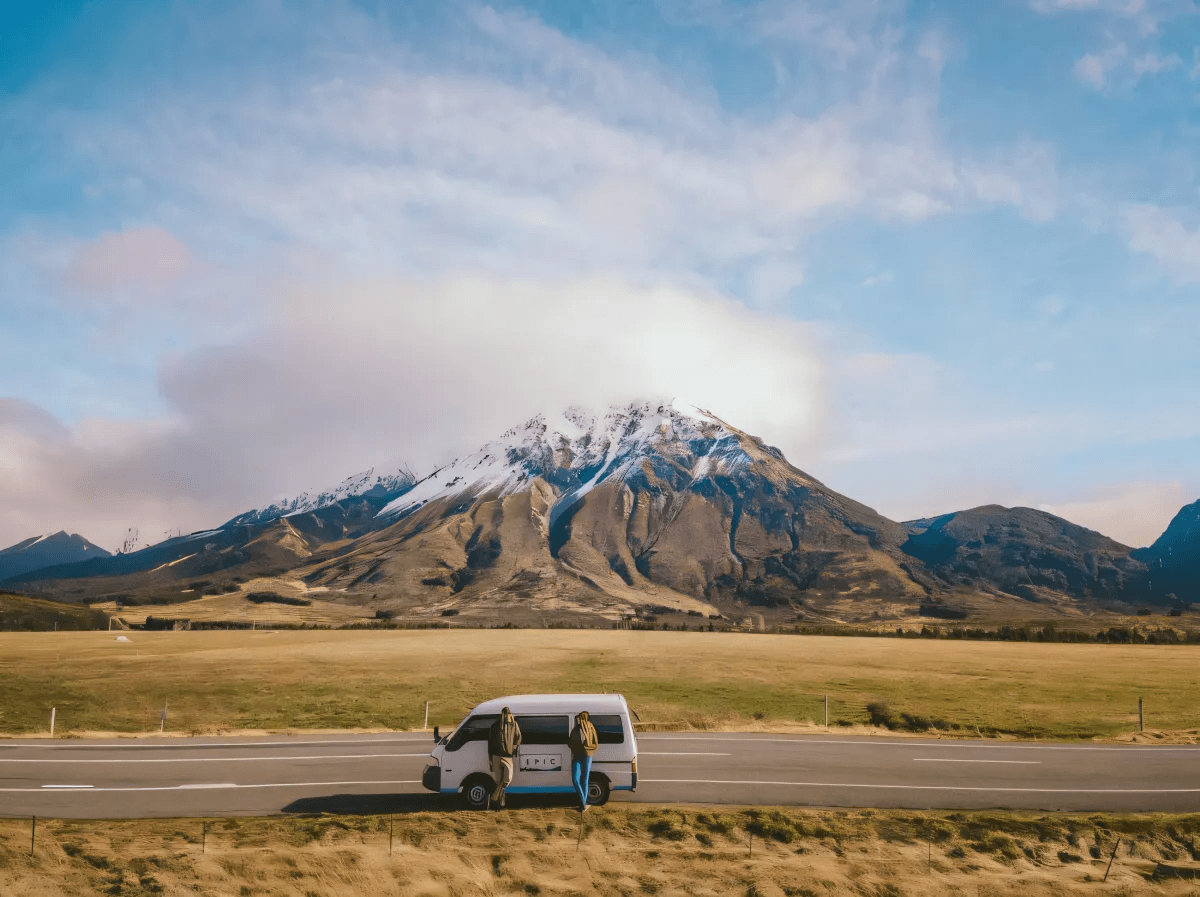
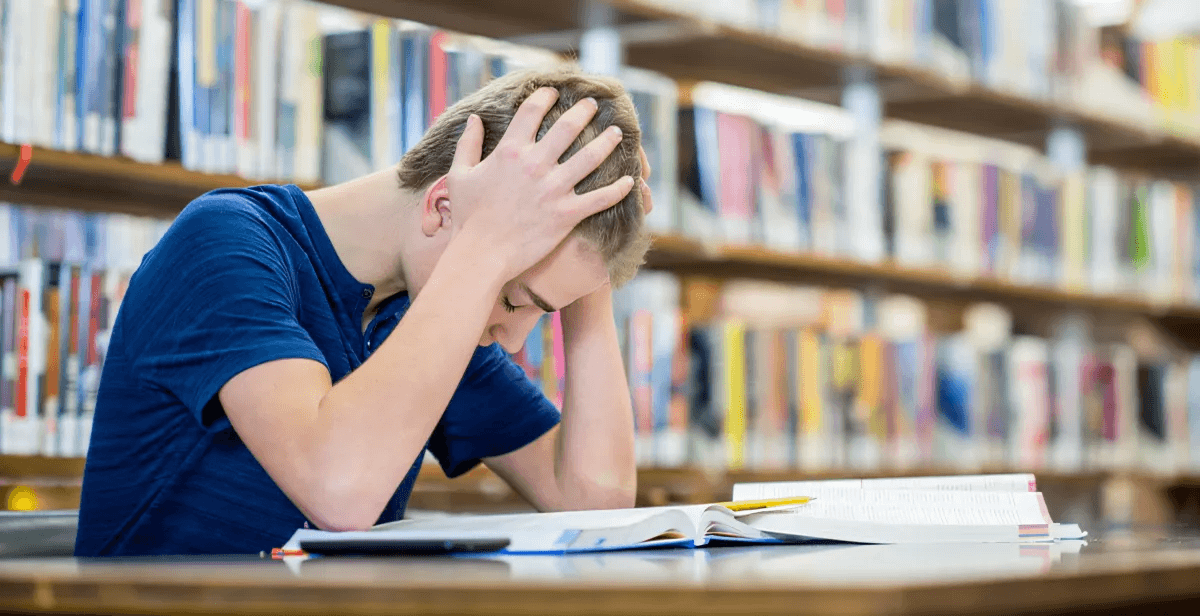
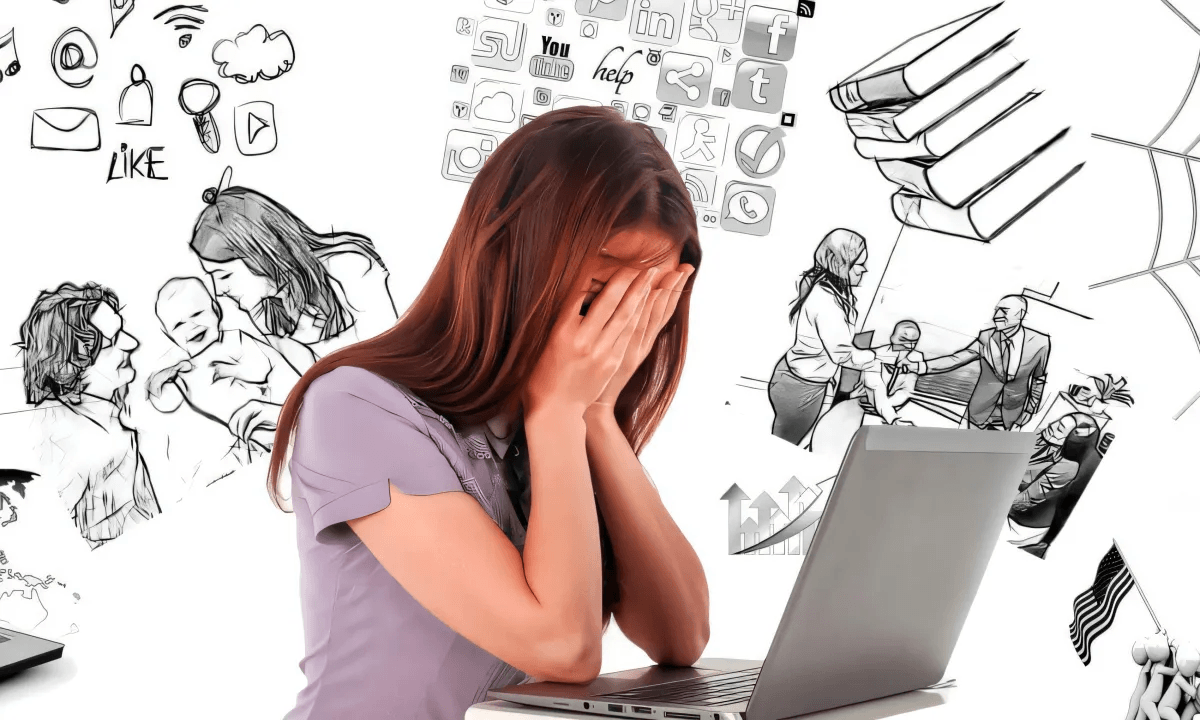
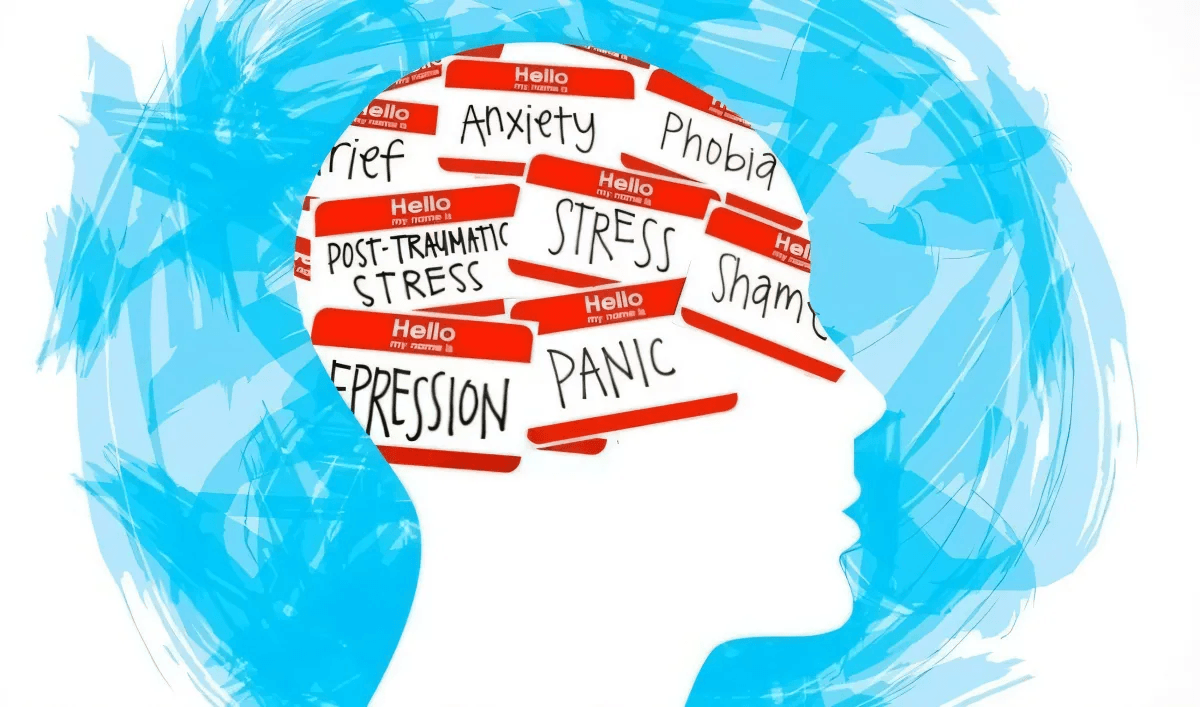
The pandemic has exacerbated the global state of mental health. Now with travel restrictions loosening, more people are itching to leave their homes and vacation far and wide. Evidence suggests this could help combat anxiety, depression, and other mental health disorders.
fun traveling to ease out the symptoms of depression
Image Source: Pexels

It's no secret that the pandemic has led to worsening mental health issues around the globe.

As described in one systematic review out of the journal Brain, Behavior, and Immunity, those afflicted with the virus indicated a higher display of post-traumatic stress syndrome and showed an increase in levels of depression relative to those who remain healthy.

The review also found that patients with preexisting mental disorders reported a worsening of those symptoms and that the general public seemed to be suffering from greater anxiety and depression compared to before the pandemic.

But change is coming. Not only do current vaccines offer a potential end to the pandemic as we know it and a return to normal life, but the recent loosening of travel restrictions and the relative drop in new cases grant us the opportunity to get on planes and cross borders once more.

And these opportunities might offer us a chance to improve our mental health.

Here are a few reasons why travel can help curb mental illness.

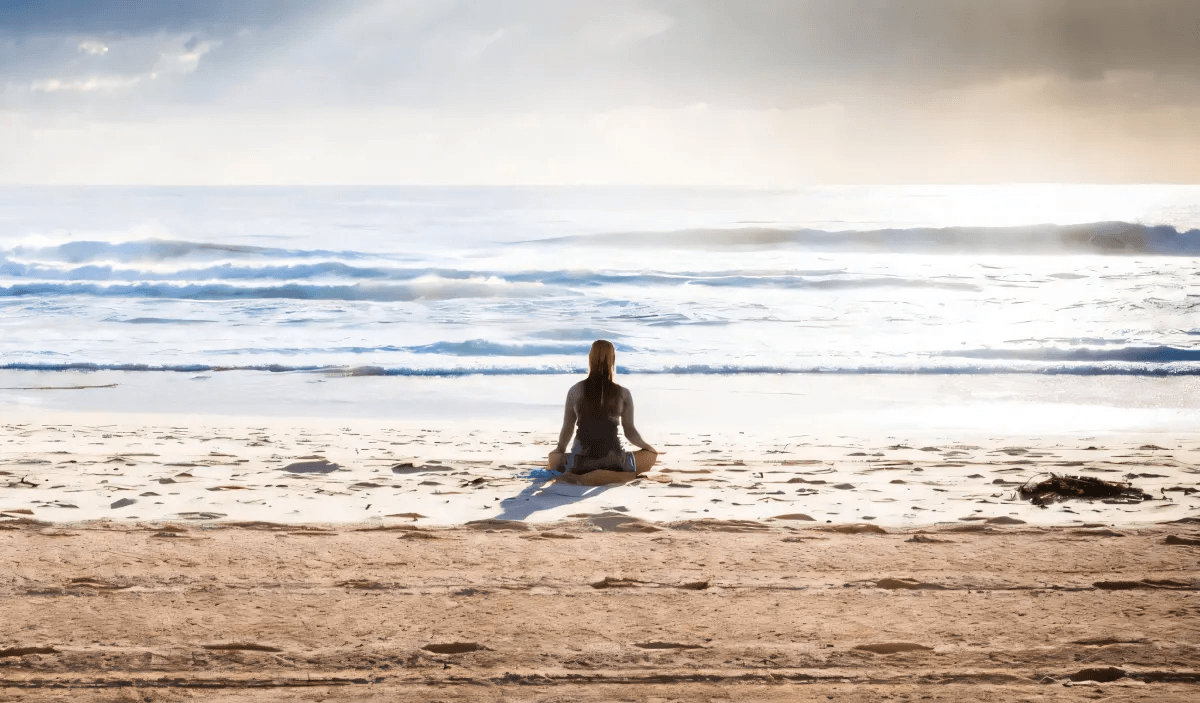
1. Traveling Provides Us with an Opportunity to Relax and Unwind

traveling to relax and unwind

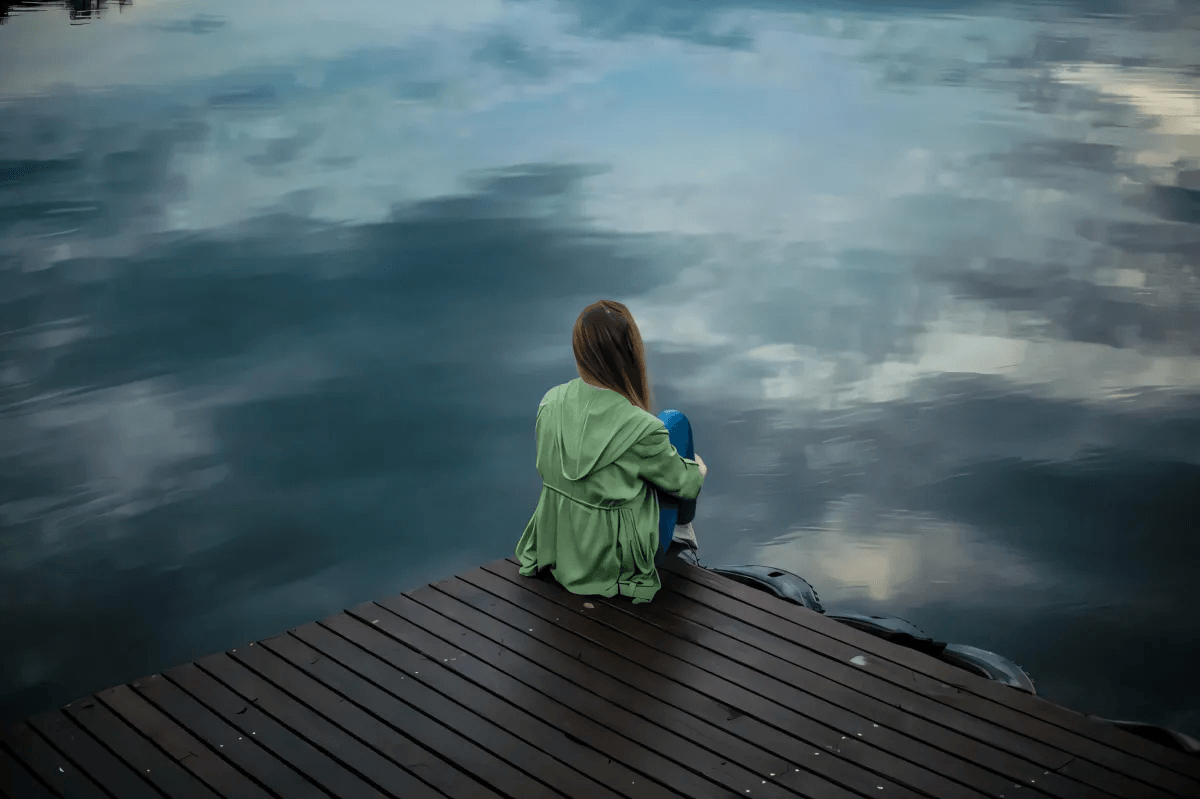
Be it from over-exhaustion and burnout or the general stresses of day-to-day life, the routine pressures we often face can be enough to bring about depression, anxiety, or other unwanted mental health issues in many.

Travel, and other forms of vacationing for that matter, can provide a break from our daily grind and afford us a respite from the causes of our stress.

Years ago, for example, I was privileged with the opportunity to study abroad in Italy over my summer break. Excited by the prospect, I found my experience to be both relaxing and life-affirming.

The prior semester had been a difficult one, but my experiences were therapeutic and eased my transition back into school—allowing me to graduate without burning out.

2. Traveling Allows Us to Meet People We Otherwise Would Not Have

meeting new people while traveling

One of the more well-known precursors to depression is loneliness. According to one meta-analysis, loneliness, defined as the sadness caused by a lack of company, is a major variable affecting depression.

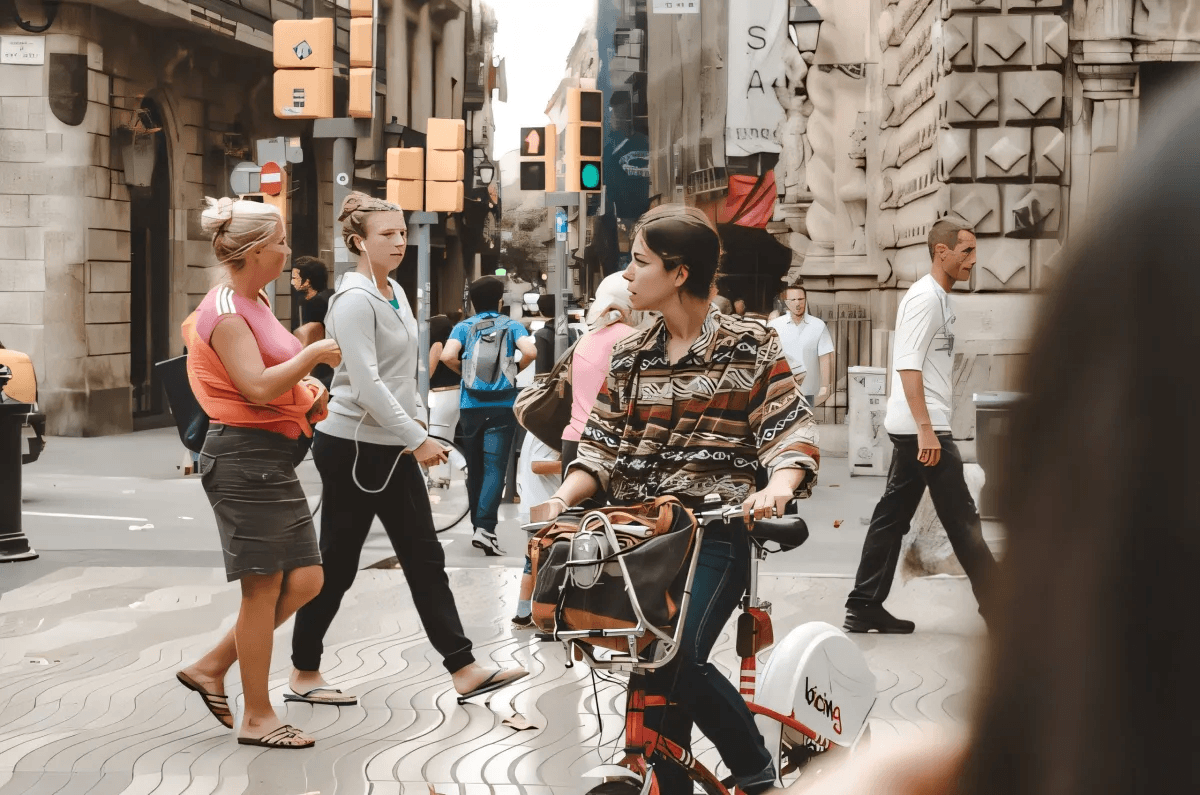
When we travel abroad, or even to new places within our own country's borders, we are rewarded with the opportunity to engage with people we otherwise would not have had the chance to meet.

This of course does not necessarily mean we will form long-lasting friendships during our travels, but socializing with others can lessen our own feelings of loneliness, which can work to improve our mental health.

Anytime I have the luxury of visiting new places I almost always end up meeting someone new. Hearing their experiences and perspectives do wonders to curb whatever feelings of loneliness I might be afflicted with, and they usually improve my mood.

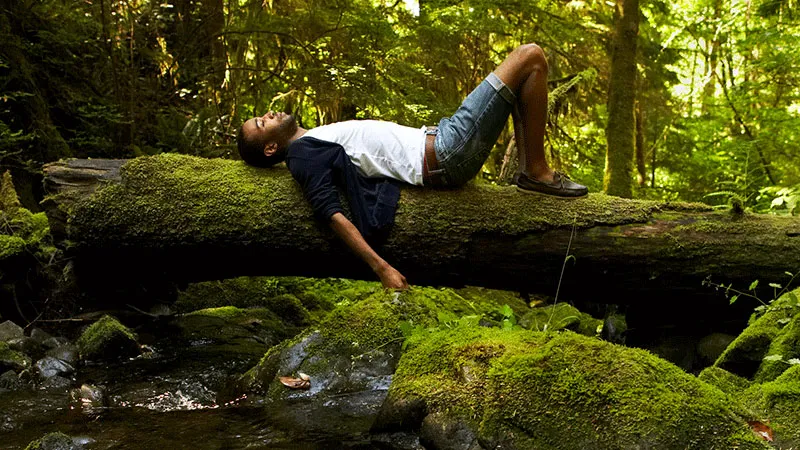
3. Leaving Your Home Can Get You in Touch with Nature

traveling to connect with nature

Depending on where you choose to travel, going on a journey could bring you closer to the great outdoors.

The idea seems relaxing in its own right, but evidence suggests that being in nature can actually offer therapeutic benefits as well.

As one study suggests, experiences in a greener environment were positively associated with a lower prevalence of depression, anxiety, and stress in participants.

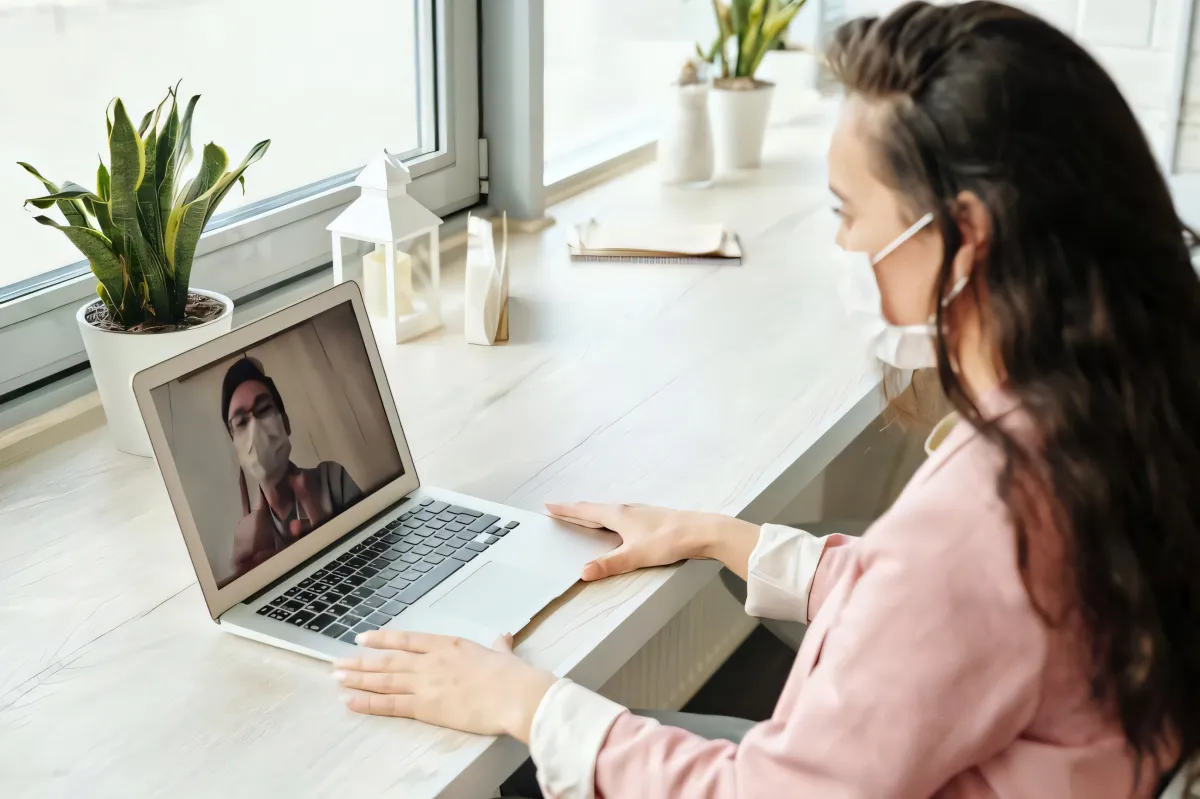
man and psychotherapist
Image Source: Pexels

And while not a cure-all for many mental disorders, time in a more natural landscape can certainly improve one's mood. I've found that a relaxing stroll through the woods can easily lift my spirits and calm any anxiety I am feeling.

4. New Experiences Can Give You a New Perspective

Vacationing often affords us the ability to meet new people, see new places, and have novel experiences. These opportunities, in addition to being pleasurable, can open our eyes to a new way of seeing the world.

traveling for new perspectives

Whether it's getting in touch with the outlooks and perspectives of a different culture or having a religious experience halfway across the planet, seeing the world through the lens of an unfamiliar society can reshape our understanding of the issues and anxieties that contribute to our own neuroses.

Recognizing the importance of community and family to many Italians, for example, helped me understand how it was lacking in my life. And I am all the better for this realization.

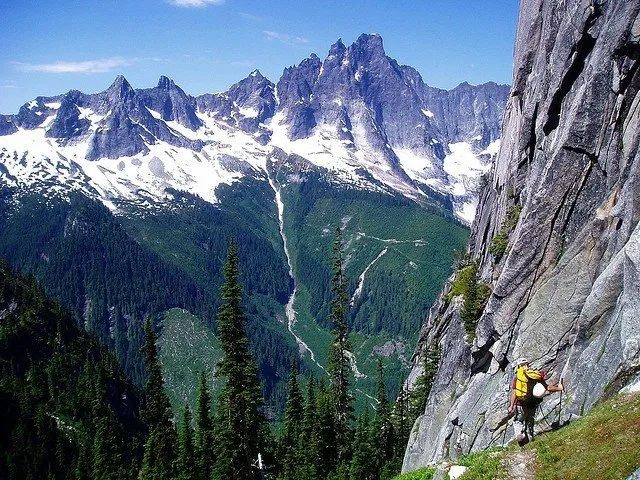
5. Traveling Can Help Keep You in Shape

Even if your sojourn does not involve climbing mountains or hiking the Appalachian trail, going on vacation can often mean exploring new places and seeing everything your destination has to offer.

Be it museums, historic buildings, or acclaimed restaurants, traveling often involves just that: traveling, usually by foot, from point A to point B.

traveling keeps you fit

And if you're hoping to get everything out of your experience and end up walking more than you regularly do, chances are that this could improve your mental health as well.

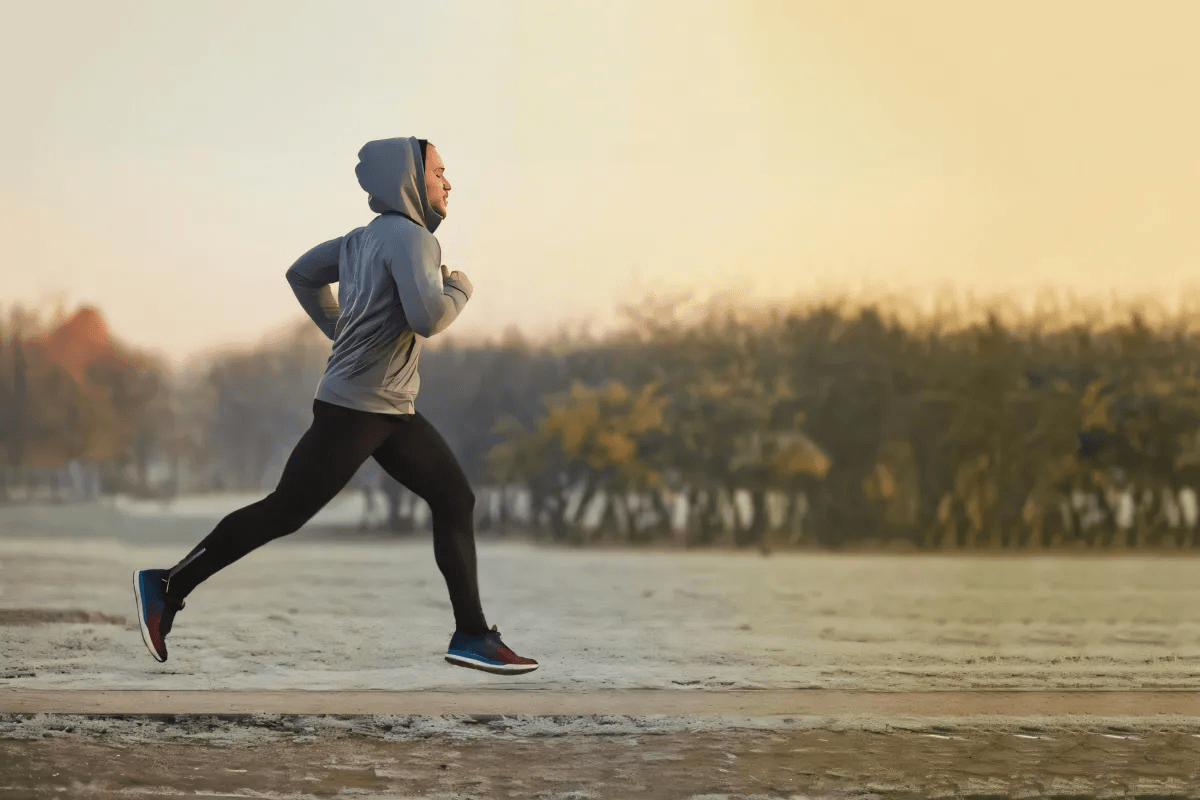
According to one study, increasing the number of steps participants take by about 1,700 steps per day was linked to lower anxiety and depression scores. That is, getting in a little more exercise every day could work to improve your mood.

6. Going off on Your Own Can Teach You Resilience and Self-Reliance

Often times when traveling, you may be forced by circumstance to rely on yourself to navigate a possibly difficult or challenging situation. Although potentially stressful, these moments offer us a chance to learn and grow and can provide us with lessons on self-reliance and resilience.

traveling teaches your self reliance

During my trip to Italy, I traveled on my own for the first time and was tasked with navigating through airports, customs, and the strange cultures and habits of different people.

It was a challenge, for sure, but it was also a transformative experience in my life. I wasn't under the protection or guidance of my parents and needed to look after my own safety and security.

It was a milestone and an instructive experience that would help prepare me for my time after graduation. It has also helped ward off potential depression and anxiety and can do the same for many.

7. Experiencing Travel Can Give You a Sense of Accomplishment

Voyaging far and wide can be a point of personal pride for many who decide to break the norm and go on an adventure.

And with this pride, there may come a sense of accomplishment. Many feel proud of their exploits overseas and are filled with good memories whenever they take some time to reflect on them.

These memories can in fact be a therapeutic source of comfort as well. When I take a moment to look back on my sojourn in the old country, I find solace in my accomplishments and in the fun I had.

This may not be enough to cure one of depression, anxiety, or other mental health disorders, but it certainly can boost one's mood and self-esteem, which are to an extent linked with mental health.

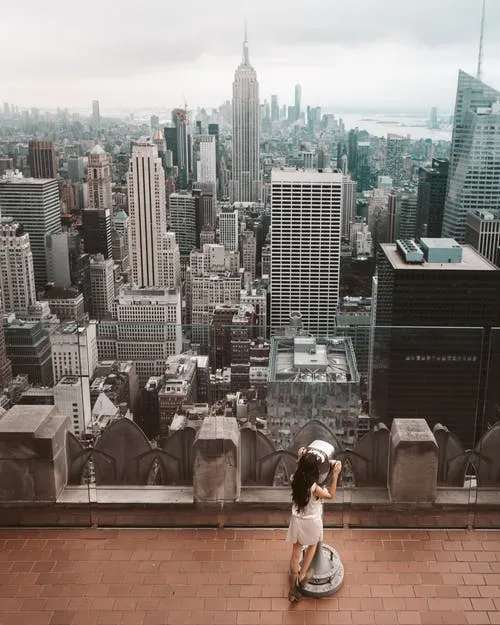
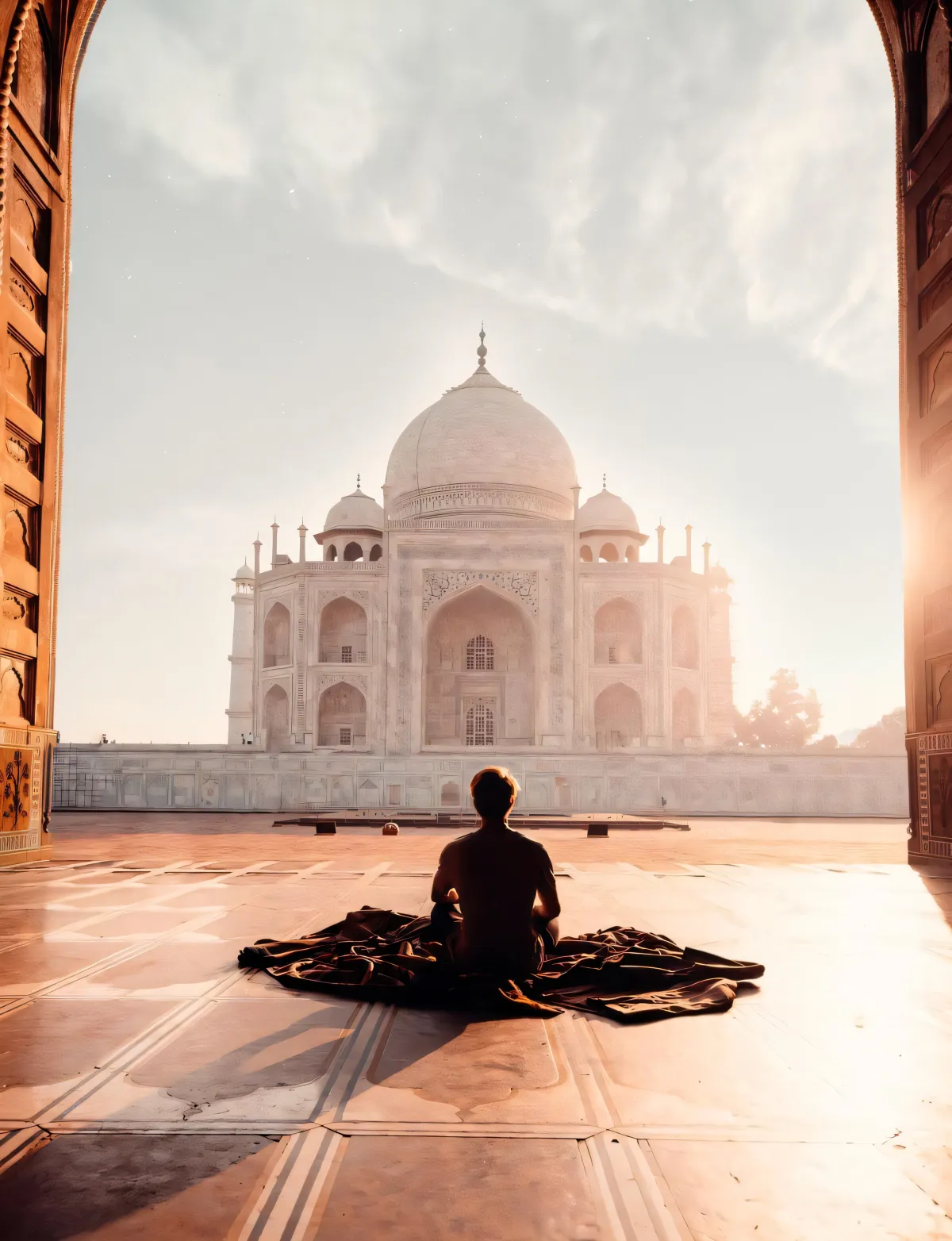
tourist enjoying the site of a city
Image Source: Pexels

Hopefully enough, the pandemic is on its last legs. People are starting to transition back into their old lives and vacation abroad once again.

More and more of the global community is getting vaccinated, and more and more of the world is leaving home and seeing what different countries have to offer.

Let's hope that this change brings an improvement in the state of our mental health.

458
Save

Opinions and Perspectives

Navigating language barriers actually helped reduce my social anxiety.

2

The mental health benefits of travel seem to compound with each new experience.

3

Solo travel taught me self-reliance in ways nothing else could.

1

Learning about different cultures gave me new tools for managing stress.

1

Its amazing how trying new foods in different countries lifted my spirits.

1

The article could have mentioned how travel affects different mental health conditions uniquely.

8

Travel photography gives me a creative outlet for processing experiences.

3

Experiencing different lifestyles abroad changed my whole outlook on life.

0

Adventure travel particularly boosted my confidence and reduced anxiety.

6

Watching sunsets in new places somehow makes everything feel better.

6

The social aspects of hostels really helped combat my loneliness.

6

Travel helped me break free from destructive routine patterns.

8
SophiaK commented SophiaK 3y ago

Local cultural experiences have been most impactful for my personal growth.

2

Slow travel has been particularly beneficial for my mental health.

4

The accomplishment factor is real. Each trip feels like a personal victory.

4

Meeting fellow travelers showed me I wasnt alone in my struggles.

5

Travel helped me develop better coping mechanisms for stress.

4

The natural environments point resonates strongly with my experience hiking abroad.

5
MiaWhite commented MiaWhite 3y ago

Its fascinating how travel can change our perspective on what matters in life.

5
DannyJ commented DannyJ 3y ago

Building confidence through travel challenges helped my overall mental health.

6

Travel taught me to be more present and mindful.

6

The article could have explored how different types of travel affect mental health differently.

6

Group travel helped ease my social anxiety while still providing new experiences.

1

My depression improved significantly after experiencing different lifestyles abroad.

6
Helena99 commented Helena99 3y ago

Interesting how physical movement during travel contributes to mental wellbeing.

2

The sense of freedom while traveling really helped with my anxiety.

1

Cultural immersion experiences have been particularly healing for me.

1

I wish the article had addressed how to maintain mental health benefits after returning home.

7

Travel showed me there are many different ways to live a fulfilling life.

3

The article makes good points but underestimates how challenging solo travel can be for some people.

5

Learning new languages while traveling gave me a sense of achievement I never expected.

8

Small trips can be just as beneficial as grand adventures. Weekend getaways have improved my mental state significantly.

6

Meaningful connections with locals have been the most therapeutic part of travel for me.

7

The relaxation aspect varies greatly depending on travel style. Rushing between tourist spots can be exhausting.

1

Travel forced me out of my comfort zone in the best possible way.

8

I found the stats about pandemic mental health particularly relevant to my experience.

4

Meeting people from different cultures really helped put my own problems in perspective.

4
BellaN commented BellaN 4y ago

The article could have mentioned how travel journaling enhances the mental health benefits.

0

Absolutely agree about breaking thought patterns. Its like my brain gets a fresh perspective.

5

Anyone else find that travel helps break negative thought patterns? New surroundings seem to reset my mind.

6

The social connections formed while traveling can be surprisingly deep, even if brief.

8

My anxiety actually increased during travel until I learned to embrace the uncertainty. Now its a growth opportunity.

2

Being in nature during travel hits different than just visiting local parks. Something about the combination of new environments and natural settings.

7

The pandemic really highlighted how important travel is for our wellbeing. I never realized how much I relied on it for stress relief.

3

True about feeling accomplished. Successfully navigating foreign transit systems made me feel like I could handle anything!

5

I appreciate how the article addresses both the immediate and long-term mental health benefits of travel.

2

The loneliness factor is crucial. My solo travels actually helped me feel less alone, oddly enough.

2

Interesting point about step count and mental health. I never considered the physical activity aspect of travel as a mood booster.

8

Sometimes just planning a trip gives me something positive to focus on when I'm feeling down.

1

Has anyone else noticed how the benefits last long after returning home? I still feel more resilient months after my last trip.

8

Learning to navigate foreign places definitely built my confidence. Now everyday challenges seem much more manageable.

8

The article mentions Italy specifically, but I found similar benefits backpacking through Southeast Asia. Something about being in a completely different culture really shifts your perspective.

4

You raise a valid point about therapy. I see travel as a complement to professional help, not a substitute.

2

Travel definitely helped with my depression, but it shouldn't be seen as a replacement for proper mental health treatment and therapy.

2

Those study results about green spaces and depression are fascinating. Explains why I always feel better after spending time in natural settings.

3

Actually, I found group travel tours to be more beneficial than solo travel. The structured environment helped manage my anxiety while still getting the benefits of new experiences.

7

The self-reliance aspect is spot on. Figuring things out alone in a foreign country gave me confidence I never knew I had.

5

My experience matches what they found about walking more. I lost weight and felt mentally sharper after walking 15,000 steps daily during my Europe trip.

6

I agree with the connection to nature point. Even short camping trips near home have helped improve my mood significantly.

3

This article makes some good points but seems to gloss over how stressful travel can actually be. Lost luggage, delayed flights, language barriers... these things can worsen anxiety.

6

The part about meeting new people resonates with me. I was feeling so isolated during lockdown, but a recent road trip helped me reconnect with humanity in meaningful ways.

3
OliviaJ commented OliviaJ 4y ago

While travel can be great for mental health, we need to acknowledge that it's a privilege not everyone can afford. There should be more accessible ways to support mental wellbeing.

7

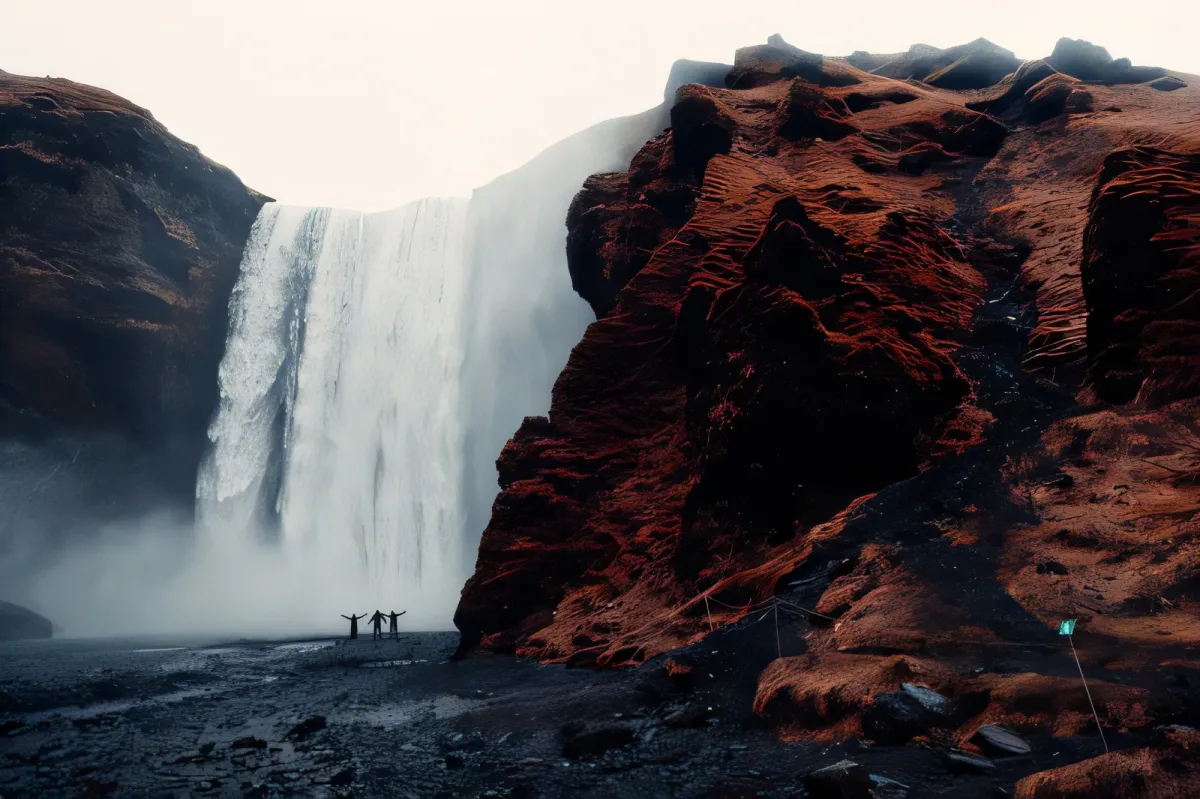
I can totally relate to this! My trip to Costa Rica last year helped pull me out of a really dark place. The sunshine and rainforest walks were exactly what I needed.

7

#Related

5 Wellness Tips To Survive Social Distancing

The pandemic forced the entire world to adapt to new sets of rules, following social distancing measures, self-isolating when traveling, and respecting provincial and feral laws surrounding your social bubble. The entire world has to adapt to the “new normal” until the coronavirus isn’t a threat to society anymore. Fear and anxiety about what could happen can be overwhelming and cause strong emotions in adults and children. Public health actions, such as social distancing, can make people feel isolated and lonely and can increase stress and anxiety. With that being said, you must be tired of hearing the impact of covid on our daily life.

5 Wellness Tips To Survive Social Distancing by Camille Chazalon
725
Save

The Noose Of Thought - A Short Exploration Of Mental Illness And Addiction

As far as human conditions are concerned, addiction and mental health disorders are nothing new. However, understanding these afflictions and ourselves is less than perfect science. Take a look into our history and these themes are seen repeatedly. Snippets revealed in arts, societies, and sciences alike. It may be ugly but look closely, what we know now certainly isn't what it used to be. We’ve come a long way from exorcising schizophrenics, eating happy paints, and letting women die of broken hearts and black drapes. Our minds are intricate things and even now some of our most intimate workings remain mysteries. The good news is they're ready to learn. We know mental health refers to a person's psychological and emotional well-being and mental illness attacks this health.

The Noose Of Thought - A Short Exploration Of Mental Illness And Addiction by fishnets&corduroy
304
Save
Emily Zane
lifestyle · 15 min read

18 Ways You Can Take Care Of Yourself Today, This Week, And In This Moment

Throughout the monotony of everyday life, the difficulties and challenges we regularly face, and the mounting stress that is often a byproduct of being an adult, we tend to push self-care aside and opt for instant gratification and immediate relief. We don’t take proper care of ourselves anymore in this obstreperous world, and we instead allow the busyness and unpredictability of life to expropriate the care and nurturance we are entitled to provide ourselves with. Taking care of yourself means that you are providing for your needs in ways that are conducive to enhancing your physical and mental wellbeing. In order to live a fulfilling life, we must satisfy our earthly needs as well as our inherent ones.

18 Ways You Can Take Care Of Yourself Today, This Week, And In This Moment by Emily Zane
896
Save
Eglant Hoxhulka
wellness · 14 min read

How Parents Can Help Teens Manage Their Exam Stress

The wish of every parent for their child is to have success in life and fulfill his dreams. Children and teenagers face challenges to overcome during the road to progress, but it is important to remember that whatever duty or task a teen may face, it carries a considerable amount of stress for them. But what is stress? Stress is our body's response to pressure. There are various situations or life events that trigger stress. It happens when we are faced with something new, unknown, which is a threat to ourselves, or if we have no control over something. In such cases, adrenaline is released which raises heart and breathing rate. Our muscles become tense and we are in a state of alertness.

How Parents Can Help Teens Manage Their Exam Stress by Eglant Hoxhulka
360
Save
Eglant Hoxhulka
wellness · 9 min read

How To Deal With Stress And Anxiety Caused By Work From Home

With the spread of the Coronavirus (Covid-19) pandemic, everyone's life underwent a dramatic change across the world, the US included. The work sector made no difference, this pandemic forced people and governments to take precautions they never thought of. Although some of us went back to our normal workplace, many Americans are dealing with a return phase or still working from home. Due to this pandemic, people feel like going through unexplored waters, forcing people, governments, and businesses to find new methods to continue working and interacting with one another, but without forgetting to take care of themselves, their mental health, and general well-being.



How To Deal With Stress And Anxiety Caused By Work From Home by Eglant Hoxhulka
316
Save
Eglant Hoxhulka
wellness · 15 min read

How Is Your Mental Health Linked With Your Physical Health And Vice Versa

What is mental health? According to World Health Organization (WHO), mental health is defined as "a state of well-being in which the individual realizes his or her abilities, can cope with the normal stresses of life and develop his full potential, can work productively and fruitfully, and can make a contribution to his or her community." It is totally normal for mentally healthy people to also feel sadness, anger, or unhappiness, which are the core components of a meaningful life. Nevertheless, a good state of mental health quite often is considered as a positive state of mind, filled with happiness, and being in control over the situation and environment.

How Is Your Mental Health Linked With Your Physical Health And Vice Versa by Eglant Hoxhulka
525
Save
Eglant Hoxhulka
wellness · 12 min read

How To Help A Family Member Through A Stressful Life Situation

Stress is an undeniable fact that plays a crucial role in our life, an unavoidable reality we have to accept if we want to live our lives meaningfully. It is a normal part of our lives, we deal with it every day. According to the NIMH National Insitute of Mental Health, stress is the way our body reacts to any demands. It comes in many different forms, amounts, and situations. People experience stress differently from one another. Stress may be triggered by small events, like traffic jams, a long line at the store, or it can be the outcome of a crisis or big change in life like the death of a loved one, divorce, the pandemic, etc.

How To Help A Family Member Through A Stressful Life Situation by Eglant Hoxhulka
723
Save

Publish Your Story. Shape the Conversation.

Join independent creators, thought leaders, and storytellers to share your unique perspectives, and spark meaningful conversations.

Start Writing