Tried And True Techniques For Managing Mental Health

When you're feeling particularly down, just keep these things in mind to help lift your mood!
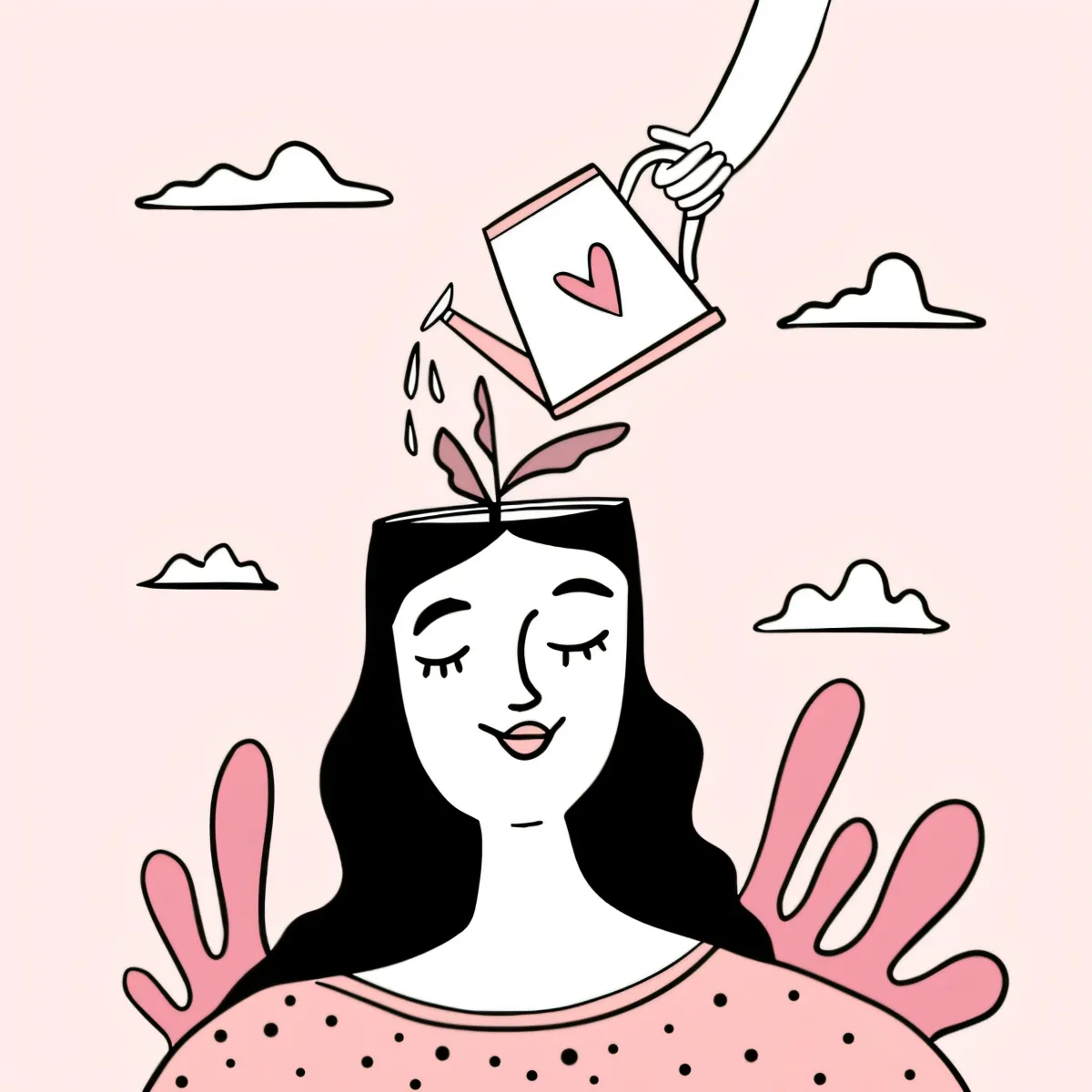
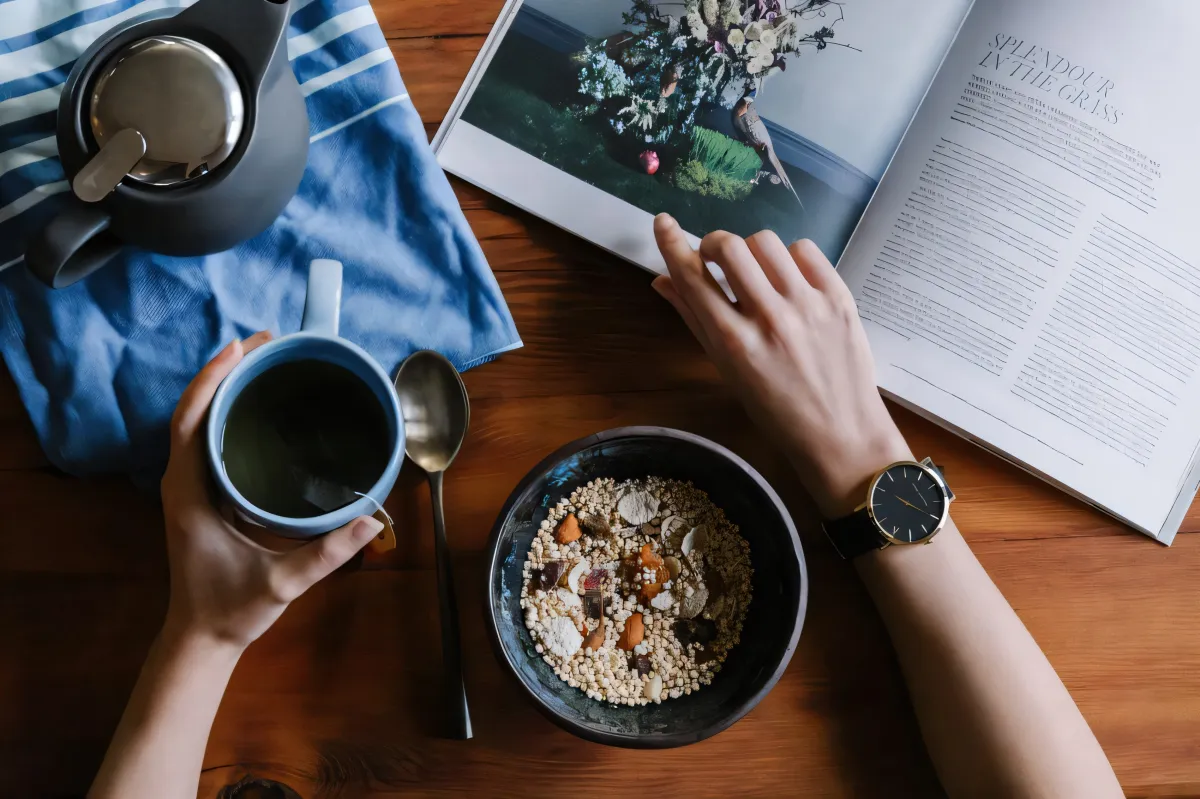
taking care of your mental health
image source: unsplash

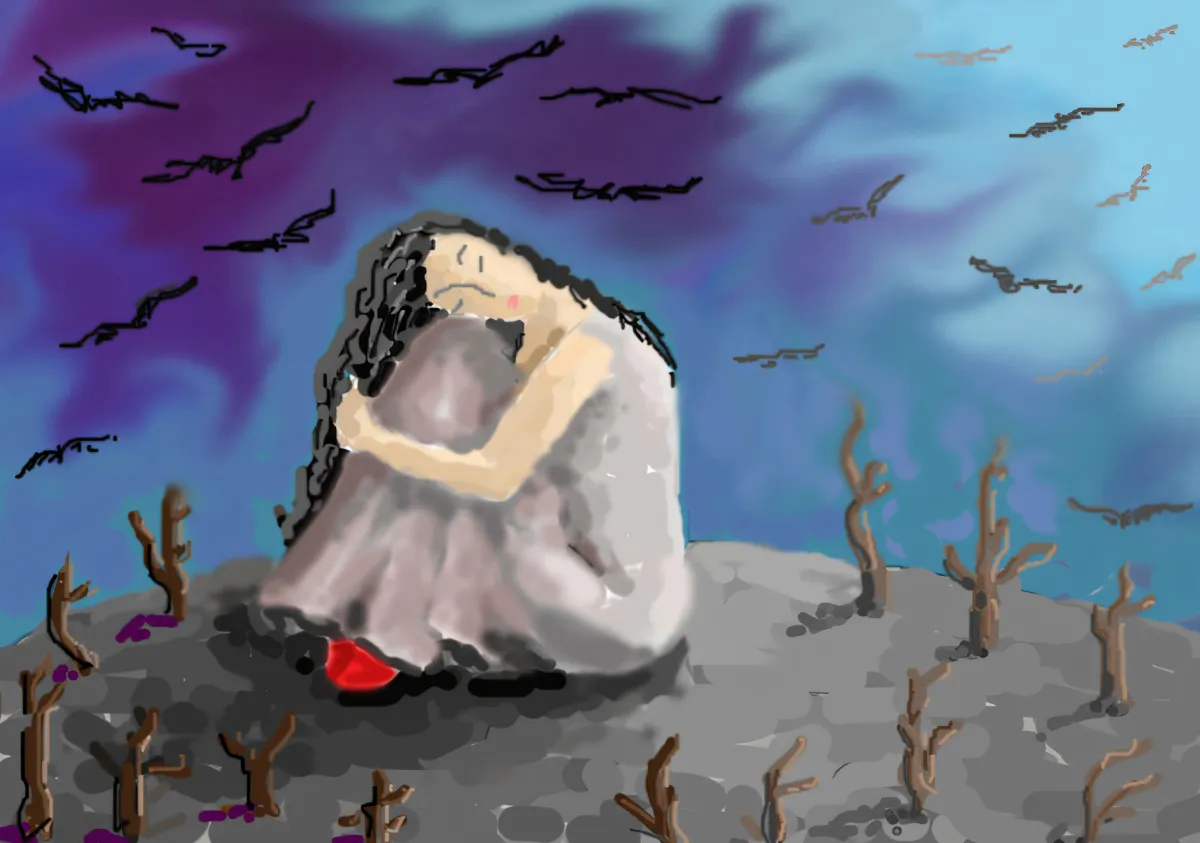
We all have bad days, but a bad day can be exacerbated when you are already struggling with depression and anxiety. I have struggled with my own mental illness for many years, and in the list that follows are the techniques I use on a regular basis to help me manage my emotions and ward off depressing thoughts.  If you're ever having trouble keeping your head up, just read through this list of ways to make it through even the darkest of days.

Here are the techniques for managing your mental health when you are feeling down.

1. Do something that makes you happy

This might sound like a no-brainer, but so often when we feel down, we forget to engage in activities that normally make us happy.  Get out your sketchpad, or your notebook, or your music mixer, and just get creative. 

Google some sketching ideas for bored artists, or go to your local coffee shop and write a background story for a passing stranger. Record a new set of vocals and save them for later use in an album you are working on.  Whatever your hobby is, get your creative juices flowing and beat this bad day.  

Personally, I love to draw when I'm feeling overwhelmed.  I am an extreme overthinker, so when my thoughts are too much, I use drawing as a way to slow myself down.  Some of my favorite sketches were done on days I felt depressed since I pushed myself to be extra creative.  You never know what you might create!

sketching to improve your mood

2. Get outside to stay active

Even if you aren't an outdoorsy person, getting some Vitamin D is sure to help boost your mood.  I get it, sometimes you won't feel like being active.  Yet studies have shown that getting a healthy dose of Vitamin D can greatly reduce depressive symptoms and improves overall mood. 

My parents had to force me to go outside when I got depressed.  They would bribe me with the promise of sweets later or encourage me with soft words.  As reluctant as I was to leave my bed, I always felt better after my walk. 

Try strolling around your neighborhood and smell the neighbor's flowers, or sit on your back porch in a comfy chair and curl up with a good book.  However you go about getting it, the sunlight is guaranteed to help.

get outside to stay active

3. Spend time with your pets

Recently I got a puppy, and at first, the adjustment was stressful, but now I can't imagine life without her.  She makes every small task seem much more exciting, watching her tail wag so hard her whole body shakes.  

Whether I'm gone for three hours or three days, the reaction is the same.  Use your furry friends' enthusiasm to cheer yourself up by calling your pet over and spending some quality time with them. 

Seeing your pup wag its tail, or hearing your cat purr always cheers up pet owners. Even if you have a different kind of pet, like a rabbit or a gecko, let them out of their enclosure and take some time to just enjoy their company. 

Studies have shown that playing with your pet elevates your serotonin and dopamine levels and reduces blood pressure. What better way to combat your depression and/or anxiety is by releasing some sweet, sweet dopamine?

spending time with pets

4. Practice mindfulness

It's no secret that our phones distract us. Social media alone is a huge time waster and a perpetrator of self-esteem issues, so putting your phone on does not disturb and focusing on being in the moment is a great way to free your mind. 

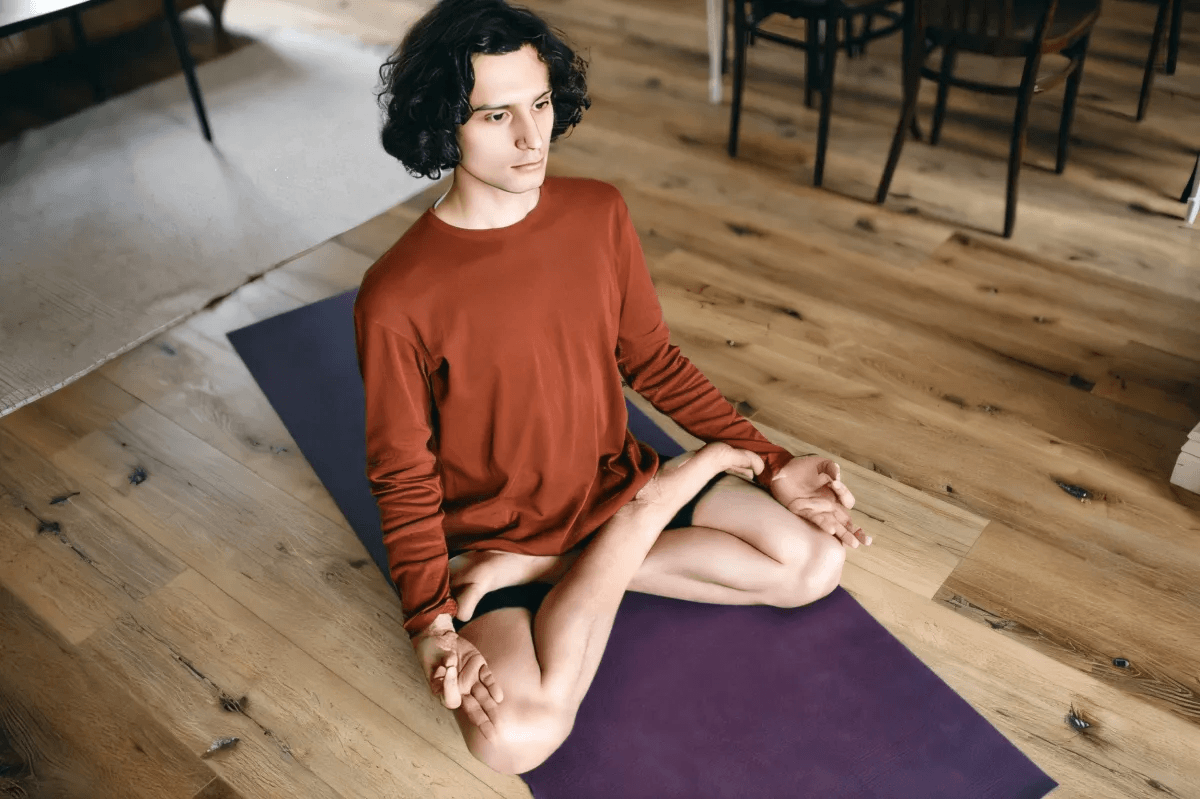
Set up a soft mat on the floor to meditate, or pull out a coloring book and turn on some relaxing instrumentals.  Anytime your mind begins to wander, draw your attention back to the task at hand.  All of those distractions can wait, right now the focus is you!  

For me, drawing is one of my mindfulness techniques, but sometimes I like to meditate as well.  Meditating can be hard, so if you aren't great at it just yet, don't beat yourself up. I like to focus on my breathing, or how the carpet rubs against my bare arms. Practicing this a little every day can really help improve your self-control, not only bringing you out of your funk but also preparing you for any future depressed days.

practicing mindfulness

5. Journaling your emotions down on a paper

A great way to organize your thoughts and process your emotions is to get them down on paper.  When we only talk to ourselves in our head, sometimes we can lose sight of important details, or miss things we might have noticed had we written about it. 

Journaling is also a great technique for those of you who are not natural external processors.  Keeping everything balled up inside is never healthy, and journaling is a great way to get more comfortable expressing yourself through words.

Despite being a writer, I have struggled with journaling.  Mainly because I'm extremely forgetful and just don't remember to do it regularly.  However, on the days I do journal, I always feel lighter afterward. 

Confiding in a bound stack of paper is surprisingly freeing; there's no judgment, no fear of offending anyone.  It's just you and your raw, unfiltered thoughts.

journaling

6. Set small goals for yourself

The easiest way to feel better about yourself is to set a mini-goal that you can easily accomplish. Whether it be trying a new recipe, or testing out a new hiking trail, or even making a list of your larger goals, make sure you can easily complete it. Not only will this give you a huge confidence booster, but it might also motivate you to knock more things off of your to-do list!

Small goals are especially handy when you have an impending project or assignment looming over your head.  I use this strategy all the time in my school life.  Break down the larger task into mini ones that can be completed an hour at a time. 

I do this for all of my term papers and end-of-semester presentations, that way I won't feel discouraged and overwhelmed.  Utilizing this technique has helped me write multiple-page papers in a timely manner and lowered my overall stress levels.

7. List Your Truths

This is something else I've learned throughout my time coping with my own mental wellbeing, and it has become quite invaluable to me.  Whenever I am in the midst of a breakdown, I often catastrophize situations and exaggerate the facts in my head. 

Not only does this stress me out, thus making the breakdown worse, but it's also a bad habit that is hard to break.  In these instances, I force myself to write a list of things I know are true.  Start with small things, for example,  "My dog loves me." 

Work up to the bigger things such as, "I am worth loving."  It may sound ridiculous, or seem hard to believe at that moment, but by practicing telling yourself these things out loud, you will train your brain to automatically remember them.  Not only will this help you get through this particularly tough day, but it's great for any scenario where you begin to doubt yourself.

8. Spend quality time with your loved ones

Spending time with my friends and family has been one of my go-to's for years.  Life can get super busy and hectic, and it's important to always remind ourselves that we are loved and valued. Depression can make you forget that, and what better way to cheer yourself up than spending time with people who love and care about you!  

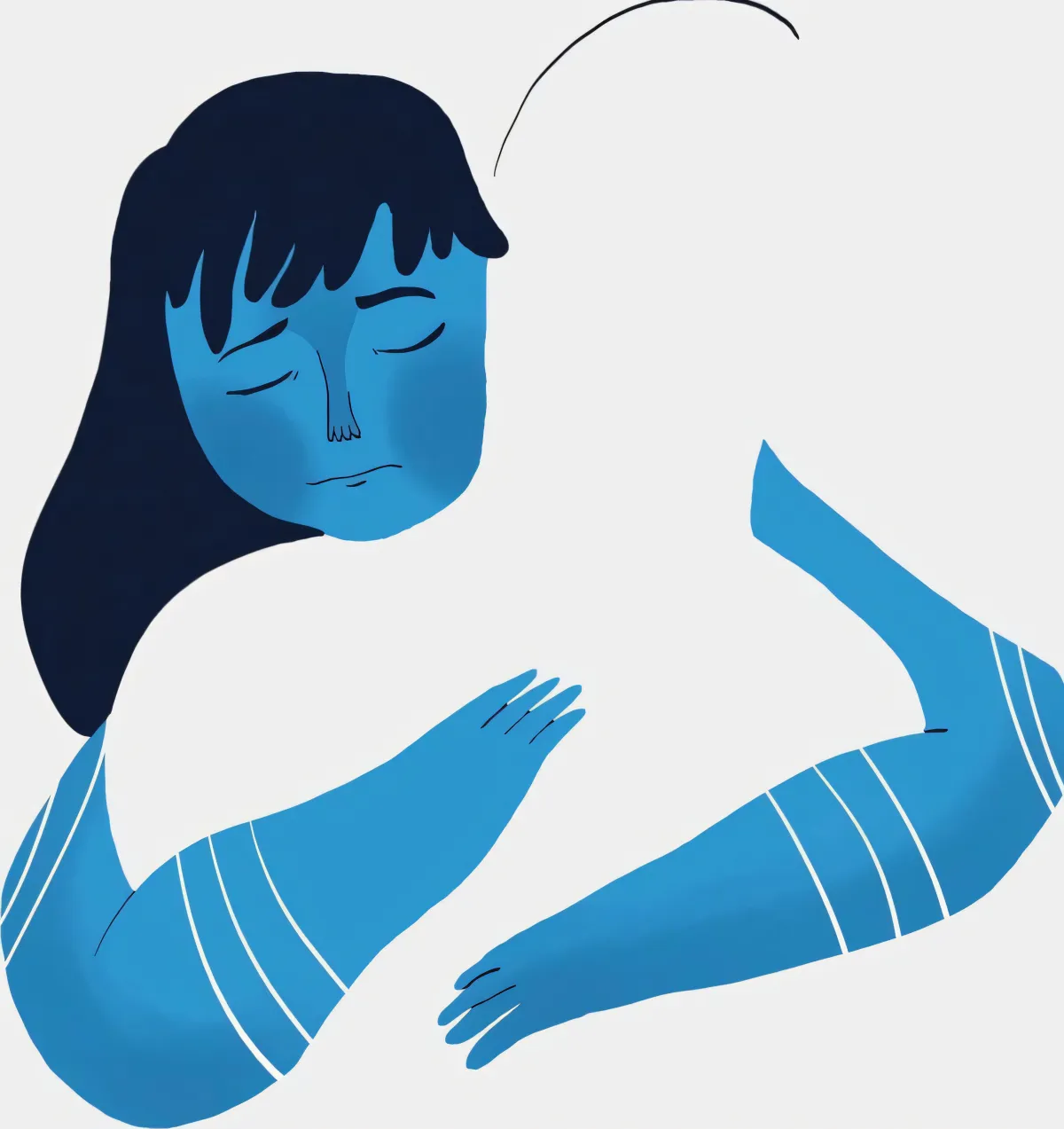
Over the years as I've matured, I've gotten quite close to my mother.  Not only is she my mom, but she's my friend and number one fan. I confide in her constantly, and she's always there to give me hugs when I need them. 

Whether it is a parent, guardian, sibling, aunt, uncle, or best friend, just being in their presence can boost your overall mood. Try scheduling a shopping spree together, or get tickets to the fun new movie.  

spend quality time with family

9. Find someone to talk it out

Related to number 8, this one is more than just spending time with loved ones.  While doing fun activities together is certainly therapeutic, if you are able to voice what's bothering you and feel comfortable speaking about it, please do. 

While journaling can help alleviate some of the internal stress your mind has put on your body, talking about it to another person has immeasurable benefits.  You can get advice, and the other person has enough distance from the problem that they can help you put things into perspective. 

Both of my parents help me out a lot in this aspect because they point out my irrational train of thought and steer it in a healthier direction. Even if the person you confide in doesn't have advice for the situation, just having your feelings acknowledged and validated will help you feel a lot better.

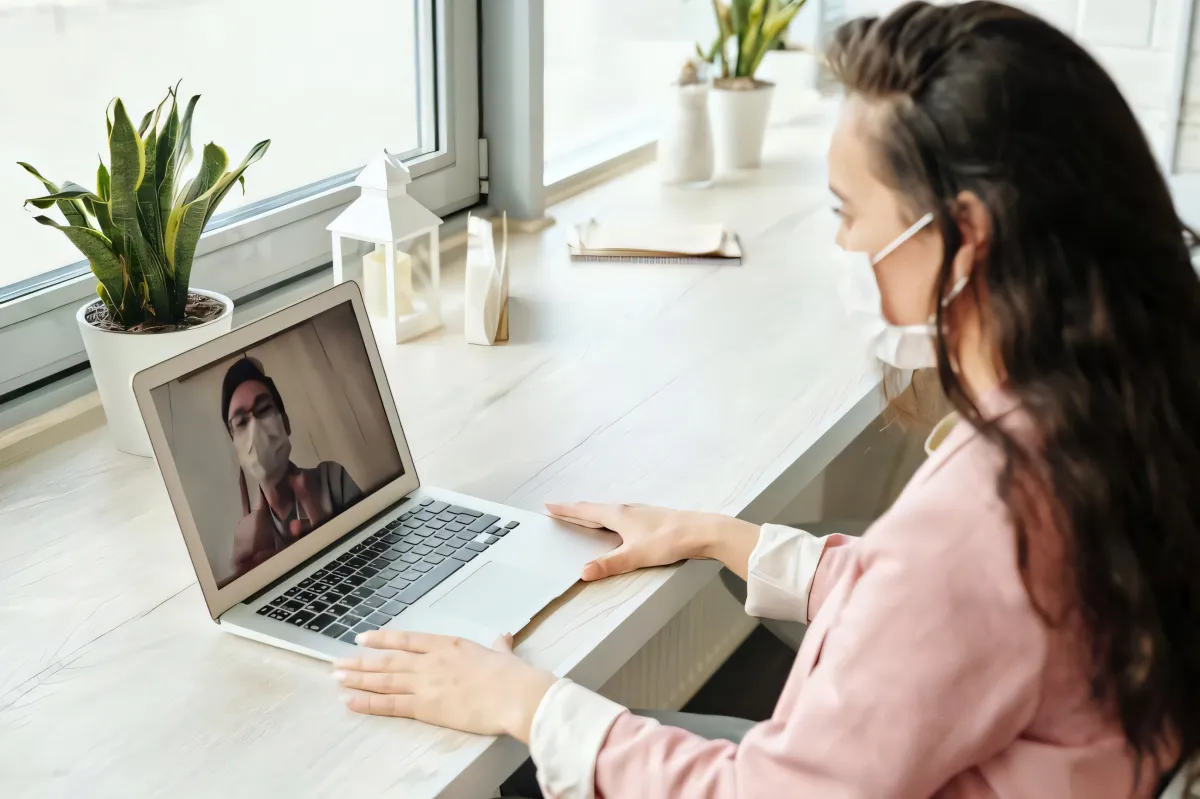
talk to therapist

10. Take a deep breath

Anytime your depression and/or anxiety has got you feeling a little extra down, just revisit this article to come up with an easy and fun way to boost your spirits. Feel free to make your own list to refer back to as well, anything to help you cheer up and take care of your mental health.

relax and take a deep breath

Remember this, it's ok if you don't have it all figured out just yet, each day is a new chance to start over. Maybe today just isn't your day, but don't beat yourself up over it. Love yourself and remember that the important thing is that you don't give up.  Take some deep breaths and pat yourself on the back. You will make it through this bad day, and each day after.

732
Save

Opinions and Perspectives

DeliaX commented DeliaX 3y ago

Starting small really is key. I overwhelmed myself trying to do everything at once.

1

I wish there was more emphasis on physical exercise benefits.

4
ZeldaX commented ZeldaX 3y ago

The article makes mental health management seem more approachable.

1
RileyD commented RileyD 3y ago

These techniques work differently for everyone. It's about finding what fits you.

3

Talking to loved ones is helpful but finding the right words is challenging.

8

I've learned to combine walking with mindfulness. It works better than sitting still.

3

Anyone found success with group activities for mental health?

6

The truth-listing exercise changed my perspective on bad days.

6
JadeX commented JadeX 3y ago

These are good starting points but professional help is still important.

3

Getting creative really does help. I started making music and it's become my therapy.

6

The mindfulness section could use more practical examples.

6

I appreciate how the article emphasizes self-compassion throughout.

8
Hannah commented Hannah 3y ago

These techniques have helped me recognize my triggers better.

5
FloraX commented FloraX 3y ago

The part about pets is great but what about people with allergies?

6

I wish the article addressed seasonal depression specifically.

2

Anyone else feel guilty when they can't follow through with these techniques?

8
Audrey commented Audrey 3y ago

The small goals suggestion has been life-changing for me. I used to set unrealistic expectations.

7
JuneX commented JuneX 3y ago

I find journaling too overwhelming sometimes. Short voice notes work better for me.

0

What about people who work night shifts? The vitamin D advice isn't always practical.

0
PeytonS commented PeytonS 3y ago

The creative activities part is spot on. I started gardening and it's become my happy place.

4
SoleilH commented SoleilH 3y ago

I struggle with the mindfulness suggestion. My thoughts are too loud to quiet down.

4
AspenM commented AspenM 3y ago

These tips helped me recognize early warning signs of declining mental health.

5

The article could have mentioned the importance of routine and sleep schedules.

4
KoriH commented KoriH 4y ago

Getting outside is harder than it sounds when you're depressed, but I agree it makes a difference when you manage it.

8

I've found that combining several of these techniques works better than focusing on just one.

7

The suggestions about pets are wonderful. My dog forces me to get outside even on bad days.

0
Justin commented Justin 4y ago

Writing down truths hasn't worked for me. My mind just argues with everything I write.

0

I appreciate how the article acknowledges that different strategies work for different people.

7

The part about social media distraction is so true. I've started limiting my screen time and noticed a huge difference.

8

Anyone try the breathing exercises mentioned? They've been really helpful for my panic attacks.

5

These techniques are great but they seem geared toward mild symptoms. Severe depression needs different approaches.

7

I actually just started getting back into drawing to help with my anxiety and I'm amazed at how calming it is.

6
KaiaJ commented KaiaJ 4y ago

This article really validates what many of us go through. It's comforting to know these struggles are common.

8
AdalynH commented AdalynH 4y ago

The creative activities suggestion saved me during lockdown. I learned to knit and it's become my meditation.

0
Lila99 commented Lila99 4y ago

I've tried most of these techniques and while they help, combining them with therapy has been most effective for me.

0

The suggestion about talking to loved ones is great, but what if your family doesn't understand mental health issues?

1

My experience with goal-setting has been mixed. Sometimes it adds more pressure when I'm already feeling overwhelmed.

4

The article could have addressed how to handle mental health in the workplace. That's where I struggle the most.

7

I love the idea of listing truths. It's such a simple yet powerful way to combat negative thinking patterns.

2
YvetteM commented YvetteM 4y ago

Anyone else find it challenging to practice mindfulness when your thoughts are racing? I need more specific guidance on this.

4

That point about vitamin D is spot on. Since I started taking supplements and getting more sunlight, my mood has improved significantly.

6
TomC commented TomC 4y ago

These are solid tips but I wish they'd mentioned professional help as an option too. Self-help techniques are great but sometimes we need extra support.

5

The creative activities suggestion works wonders for me. I started painting last year and it's become my go-to stress relief.

4

I strongly disagree with the going outside suggestion. Some days it's just not possible when depression hits hard.

8

I appreciate how the article emphasizes setting small goals. Breaking tasks down has been a game-changer for my anxiety management.

4

The mindfulness section feels a bit oversimplified. Sometimes it's not as easy as just putting your phone away.

3

In response to the pet alternatives question, I've found that even watching animal videos online can help boost mood. It's not the same but still effective!

8

Not everyone has access to pets though. What alternatives would you suggest for those who can't have animals?

0

The pet therapy suggestion really resonates with me. My cat has helped me through some of my darkest days.

6

I find the section about journaling particularly helpful. I've been doing it for 6 months now and it's amazing how much clarity it brings to my thoughts.


1

#Related

5 Wellness Tips To Survive Social Distancing

The pandemic forced the entire world to adapt to new sets of rules, following social distancing measures, self-isolating when traveling, and respecting provincial and feral laws surrounding your social bubble. The entire world has to adapt to the “new normal” until the coronavirus isn’t a threat to society anymore. Fear and anxiety about what could happen can be overwhelming and cause strong emotions in adults and children. Public health actions, such as social distancing, can make people feel isolated and lonely and can increase stress and anxiety. With that being said, you must be tired of hearing the impact of covid on our daily life.

5 Wellness Tips To Survive Social Distancing by Camille Chazalon
725
Save
Emily Zane
lifestyle · 13 min read

10 Simple Things You Can Do To Set Yourself Up For A Good Day

Days typically fall into three different categories: the good, the bad, and those that land in between, those ho-hum days that just aren’t memorable. Experiencing all three types at one point or another is simply part of being human. We all live through our fair share of good, bad, and in-the-middle days, and we have become comfortable with that. We’ve come to terms with the fact that not all days are good; some are bad, and some are just so-so. We’ve accepted this as just how it is, and we’ve become complacent about changing the outcome of our days. Everyone has bad days. They are challenging, but they are a part of life. To be cliché, one could say that experiencing bad days allows us to truly value and cherish the good days.



10 Simple Things You Can Do To Set Yourself Up For A Good Day by Emily Zane
691
Save
Emily Zane
lifestyle · 11 min read

How To Build Your Confidence In 12 Straightforward Ways

Think of that person you know, the one we all know. He or she exudes an air of certainty, carries themselves with determination, and lives in a way that portrays spirit and tenacity. We all know someone like this, and we aspire to be like them. These are family members, friends, coworkers, neighbors, bosses. Whether it’s you or someone you know, we can all zero in on that someone we’ve come across in our lives who is the epitome of self-confidence. Believing in your abilities, trusting in yourself and your potential, and having faith in your performance and skillset are all characteristics of self-confidence.

How To Build Your Confidence In 12 Straightforward Ways by Emily Zane
231
Save
Emily Zane
lifestyle · 15 min read

18 Ways You Can Take Care Of Yourself Today, This Week, And In This Moment

Throughout the monotony of everyday life, the difficulties and challenges we regularly face, and the mounting stress that is often a byproduct of being an adult, we tend to push self-care aside and opt for instant gratification and immediate relief. We don’t take proper care of ourselves anymore in this obstreperous world, and we instead allow the busyness and unpredictability of life to expropriate the care and nurturance we are entitled to provide ourselves with. Taking care of yourself means that you are providing for your needs in ways that are conducive to enhancing your physical and mental wellbeing. In order to live a fulfilling life, we must satisfy our earthly needs as well as our inherent ones.

18 Ways You Can Take Care Of Yourself Today, This Week, And In This Moment by Emily Zane
896
Save
Emily Zane
lifestyle · 10 min read

The 12 Best Ways To Lift Your Mood Right Now

Everyone encounters blue days every now and then; they’re a part of the human experience. With happiness comes sadness, with positivity comes negativity, with sunshine, comes the rain. We must assume and accept that the down days will and do occur, and that’s not always in our control. Bad days can be caused by many things, both tangible and intangible. Your car might not start in the morning, your dog could’ve torn up your favorite shoe, you might have woken up late and had to skip breakfast, you could’ve found out you didn’t get the promotion at work. Days like this are to be expected. Yes, you will most likely experience more good days than bad, but you must expect a bad day to be sprinkled in the mix on occasion.

The 12 Best Ways To Lift Your Mood Right Now by Emily Zane
526
Save
Zachary Buttram
lifestyle · 14 min read

Solutions To Common Excuses That Are Stopping You From Moving Out Of Your Parents' House

Whether you are 18 or 38, if you haven't moved out of your parents' house yet, the idea has undoubtedly crossed your mind. Maybe you have a toxic home life or simply want to gain independence. The problem is, whenever the thought pops into your head, it feels more like a fantasy or a dream, rather than something achievable. When the thought of moving out enters your head, what you tell yourself about the possibility of achieving it is vital to your success. Here are solutions to 13 excuses that prevent you from moving out of your parents' house. It will never seem financially viable to move out at a young age. The fact of the matter is, this is a lie that you are telling yourself which prevents you from actually succeeding. Take it from me, I moved out at the ripe age of 21. I was a full-time college student with only a part-time job getting paid minimum wage ($11 an hour at the time). And the cherry on top is that I live in one of the most expensive states in America... California!

Solutions To Common Excuses That Are Stopping You From Moving Out Of Your Parents' House by Zachary Buttram
153
Save
Rhyan Kelly
wellness · 7 min read

How To Overcome External And Internal Factors Affecting Our Mood

Sometimes life can get us down a bit. We can wake up on a dreary Sunday morning and just not feel ourselves. Of course, it's more realistic to assume that we will not always be 100%, but what are the reasons for this and how can we overcome them? We can buy piles upon piles of self-help books, reading through them for the holistic and all-curing answer to our dread, but sometimes it's not always there. The first major factor in attribution to our mood is the environment. This covers a fairly broad spectrum of factors here, such as the weather, lighting, room temperature, and surrounding noise.

How To Overcome External And Internal Factors Affecting Our Mood by Rhyan Kelly
498
Save
Eglant Hoxhulka
wellness · 14 min read

How Parents Can Help Teens Manage Their Exam Stress

The wish of every parent for their child is to have success in life and fulfill his dreams. Children and teenagers face challenges to overcome during the road to progress, but it is important to remember that whatever duty or task a teen may face, it carries a considerable amount of stress for them. But what is stress? Stress is our body's response to pressure. There are various situations or life events that trigger stress. It happens when we are faced with something new, unknown, which is a threat to ourselves, or if we have no control over something. In such cases, adrenaline is released which raises heart and breathing rate. Our muscles become tense and we are in a state of alertness.

How Parents Can Help Teens Manage Their Exam Stress by Eglant Hoxhulka
360
Save
Eglant Hoxhulka
wellness · 15 min read

How Is Your Mental Health Linked With Your Physical Health And Vice Versa

What is mental health? According to World Health Organization (WHO), mental health is defined as "a state of well-being in which the individual realizes his or her abilities, can cope with the normal stresses of life and develop his full potential, can work productively and fruitfully, and can make a contribution to his or her community." It is totally normal for mentally healthy people to also feel sadness, anger, or unhappiness, which are the core components of a meaningful life. Nevertheless, a good state of mental health quite often is considered as a positive state of mind, filled with happiness, and being in control over the situation and environment.

How Is Your Mental Health Linked With Your Physical Health And Vice Versa by Eglant Hoxhulka
525
Save
Eglant Hoxhulka
wellness · 12 min read

How To Help A Family Member Through A Stressful Life Situation

Stress is an undeniable fact that plays a crucial role in our life, an unavoidable reality we have to accept if we want to live our lives meaningfully. It is a normal part of our lives, we deal with it every day. According to the NIMH National Insitute of Mental Health, stress is the way our body reacts to any demands. It comes in many different forms, amounts, and situations. People experience stress differently from one another. Stress may be triggered by small events, like traffic jams, a long line at the store, or it can be the outcome of a crisis or big change in life like the death of a loved one, divorce, the pandemic, etc.

How To Help A Family Member Through A Stressful Life Situation by Eglant Hoxhulka
723
Save

Publish Your Story. Shape the Conversation.

Join independent creators, thought leaders, and storytellers to share your unique perspectives, and spark meaningful conversations.

Start Writing