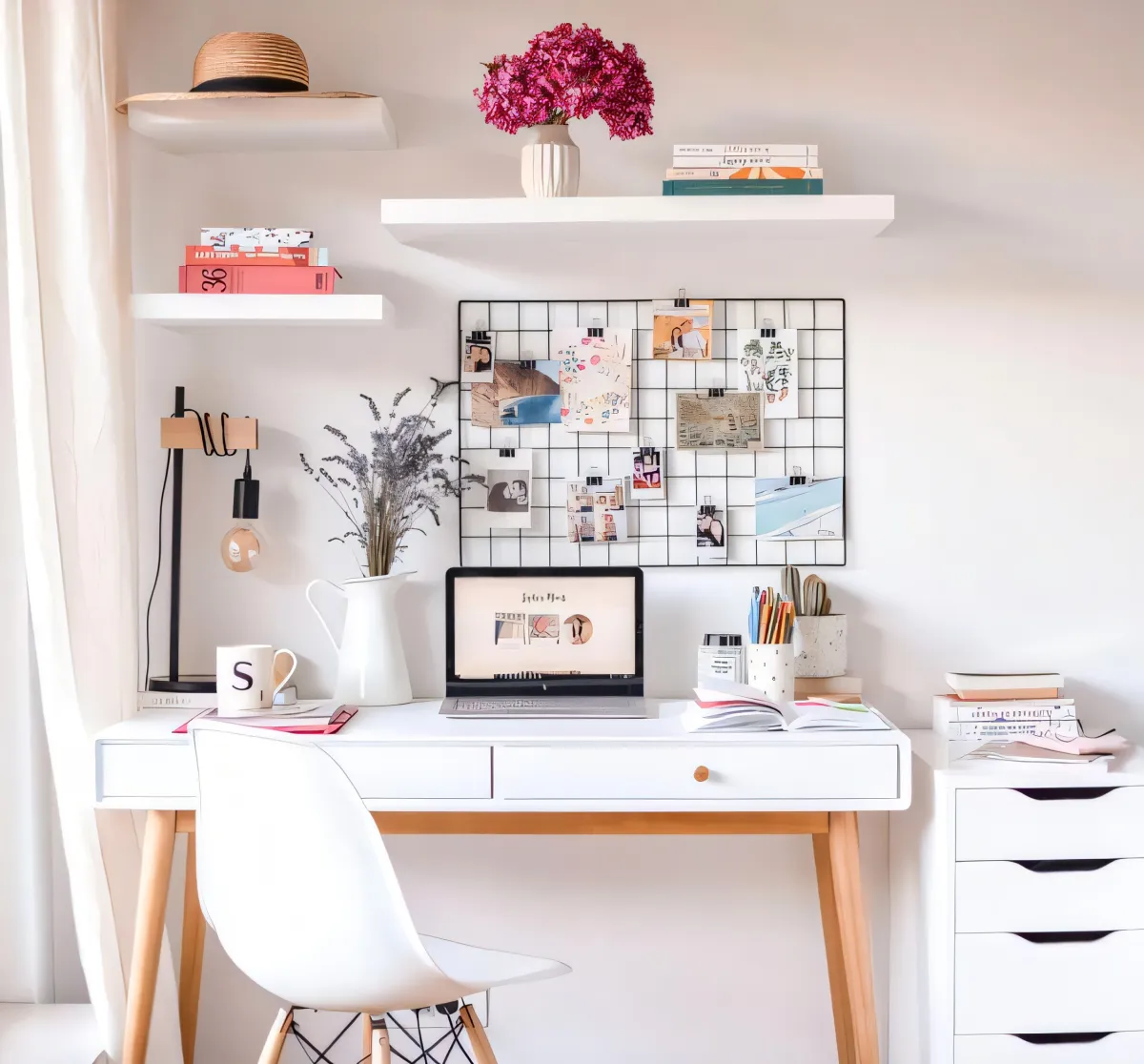
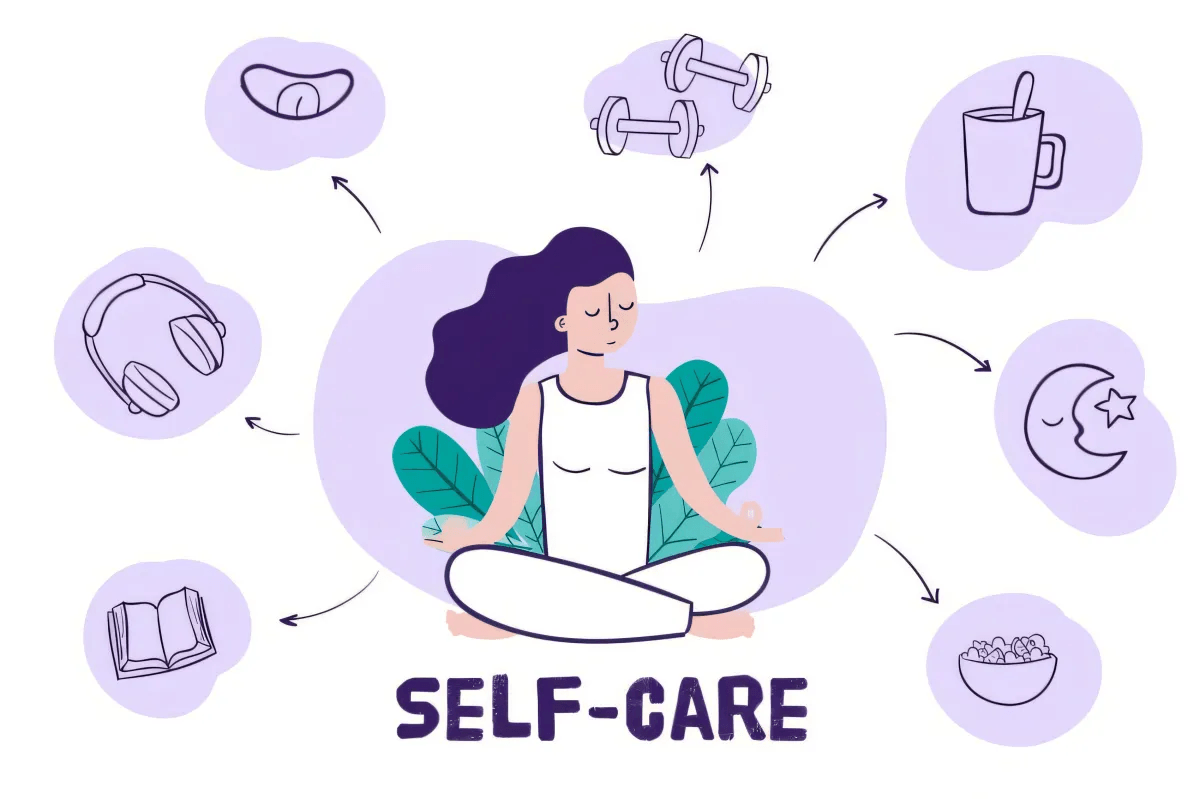
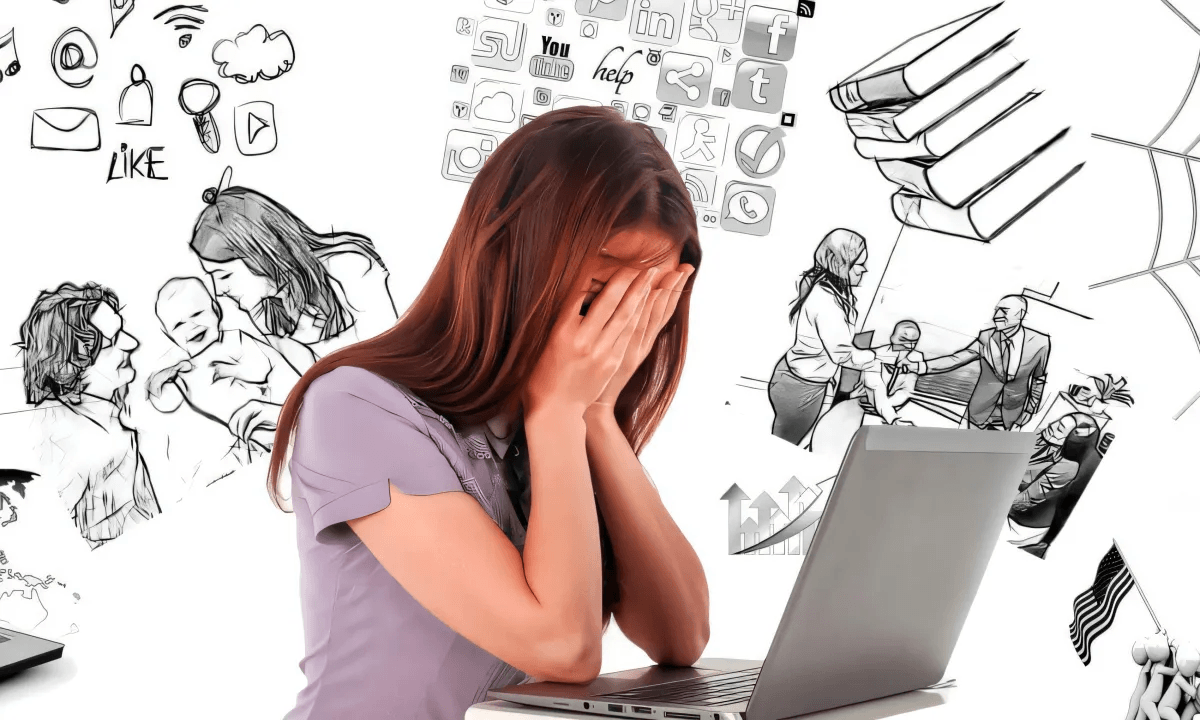
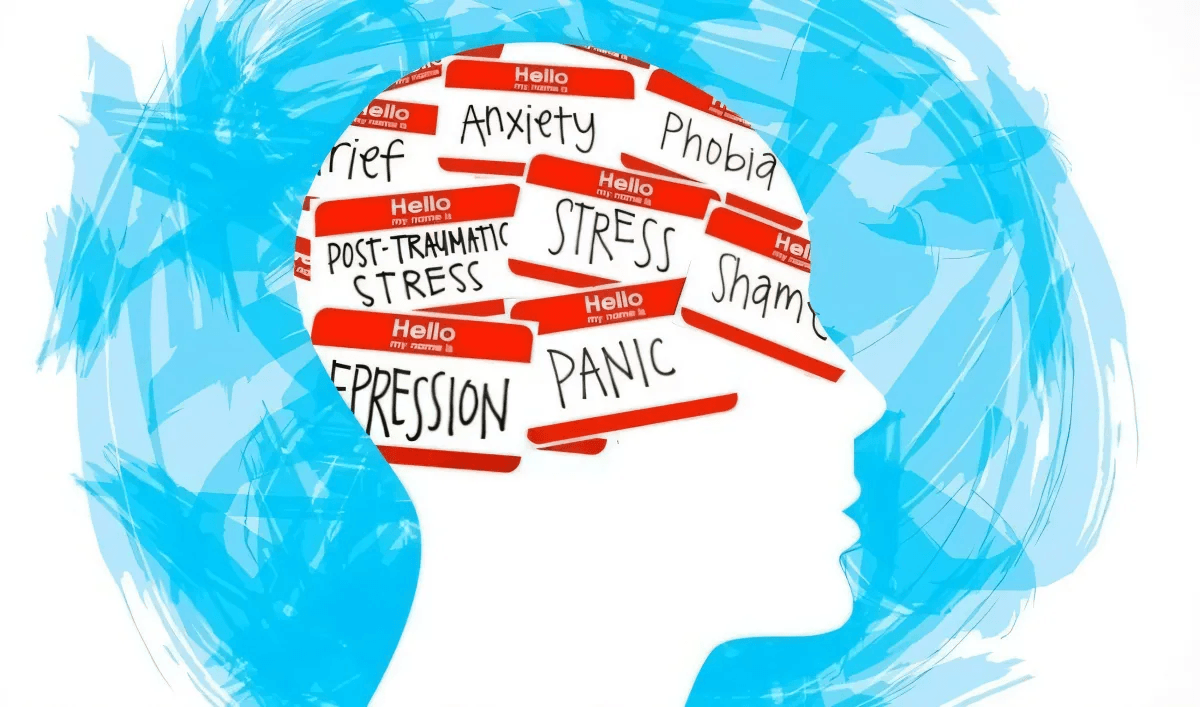
Self-care has never been more important than now, especially for those who work from home. We're stuck in our four walls 24/7 and certain days don't even get to go outside.
With COVID on the rise and restrictions becoming stricter it's even more crucial to take care of yourself and your mental health. But the advice of shopping therapy, gaming, and drinking isn't really the best way to take care of yourself.
In fact, they're detrimental to your wellbeing if misused. Not to mention, not every person can afford therapy or feels ready to take such a step.
If you're anything like me, you probably prefer trying to take care of an issue yourself before asking for help. So, here are ten self-care tips backed up by research that actually work.
Give these a try and you'll see you'll feel better in no time. Good thing is that you can apply these tips both for working from home and in your day-to-day life.
1. Take a brisk walk to regulate your mood after work
Image Source: Pixabay
Walking has been proved time and time again to be good for your health. It's no wonder your parents have always tried to make you go outside and do some walking.
The good thing about this tip is you don't need to go to your nearest forest in order to reap the benefits. Why not simply head outside of your building and take a stroll around your neighborhood?
It was for your own good! As little as 10 minutes of walking can help you regulate your mood and those who venture outside regularly have a lesser chance of struggling with depressive moods.
If you're walking briskly then the benefits are doubled. This is because walking (whether slow or fast-paced) affects GABA neurotransmitters in our brains.
Gamma-aminobutyric acid or GABA is an amino acid that occurs naturally in our brains. Its role is to modulate inhibitory-excitatory balance, or in simpler terms to regulate your mood among many other functions.
But it won't increase for free, my friend, you need to do something to activate its production. Guess what you have to do? That's right. Walk.
I was sceptical at first, after all, we're always walking. Need to go to a different room? Walk. Need to do errands? Walk.
Walking is something we all need to do if we need to get someplace. But it's different when you have to walk because you must and when you're doing it as leisure.
I'm not saying that if you're sad a little pacing around your neighbourhood will make you see fireworks. But it will make you focus on the here and now and not so much on what soured your mood.
If it works for a cynic like me, why wouldn't it work for you? Fellow cynics, let's unite on our daily walks!
2. Journal to improve your cognitive processing and mental health
Image Source: Pixabay
Writing isn't for everybody, but keeping a journal that only you'll see can definitely help your mental health. No one has to see how you write, whether it's full of grammatical errors or how good the content is.
It's going to be just for you, hence you'll have full writing freedom. That doesn't mean you have to grab a vintage-looking pen and tea-stained paper like in the above image.
Just pick up whatever you have on hand and jot down your feelings. If you live with someone else, maybe keep your journaling a little private. Or not, depends on how much you trust whoever lives with you.
Writing by hand is preferable to using a computer or an app on your phone. It's more personal and intimate if you do it the old-fashioned way. Besides, the action of writing by hand actually activates the parts of your brain that make journalling more beneficial for you.
But how does journaling affect your mental health? First of all, you get to write down your feelings and that's already a giant weight off your shoulders.
You'll feel like you've confessed to someone who's listening without judgement. Letting your frustration out (whether it's on paper or not) generally makes us feel better.
But how's journaling backed up by science? Let's start with the basics: it improves your memory, comprehension, and cognitive processing.
Now let's access the physical realm: journaling improves your immunity, can even help with asthma and arthritis. Not to mention regular writing leads to better sleep.
Why? When we write, our rational and analytical left brain is activated. While it's busy our right brain is free to feel and be creative.
Thus, when you write any mental barriers are removed during the process and it helps you focus on yourself and how you function. But even when we're not looking at the science, when you keep regular entries in your journal and when you re-read them you'll be able to track any patterns you might've left behind.
Those patterns can help you understand any problems or habits you might have that you wouldn't be able to notice otherwise. But even when you're writing statements, sometimes they hit differently than when you're saying them out loud.
Think of even something as simple as others blaming you for something that wasn't your fault. Saying "it's not my fault" out loud will feel completely different from when you write that statement.
So, journal daily if you can, maybe even leave a doodle or two and make sure to do it for at least 20 minutes. It might sound like a long time but trust me, that's an average duration for a simple entry about your day.
I can speak from personal experience that after I'm done writing I feel more focused and like I've been productive in the day. It's definitely an amazing feeling, especially when you get to do a personal project that you adore.
3. Practicing Gratitude will help you bring peace after WFH
Image Source: Pixabay
It might sound like a cliche, express gratitude and it'll make both you and the receiving party feel good. But it really is true.
When you're expressing gratitude to yourself for something you've done or any achievements or privileges you have, it can feel even better. Gratitude isn't about being thankful for breathing the air you breathe (even though it can be if you want it to).
It's about appreciating what you have and taking time to thoroughly enjoy the things you love. A simple recollection of things you were thankful for at the end of the day is enough. It can even be something simple like 'today I've had a good meal'.
So, what's the benefit of gratitude and practicing it daily? It can improve your mood and health, strengthen social bonds, and make you more optimistic.
Neuroscience states that as much as three months of practicing gratitude activates your medial prefrontal cortex. The part of the brain that's responsible for maintaining emotional information in your working memory.
Thus, if your medial prefrontal cortex is more active you'll feel more glad for the things you have first thing they appear in your life. Imagine not taking things for granted and actually properly enjoying them the first time you get them. Sounds like something many people need.
Studies show that gratitude can also improve your sleep. This is because people reported feeling less stress and anxiety after practicing it before bedtime.
Even if a person was suffering from sleep disorders writing down a couple of things they were grateful for helped them fall asleep quicker. This is because it helped bring their focus on positive feelings rather than negative ones.
So how can you practice gratitude? You can start by writing down three to five things you're thankful for before bedtime.
It doesn't have to be something huge, like I said, even something simple as 'my breakfast was lovely' or 'the morning was beautiful' will suffice. Once you get a hang of it, try to expand and see what else you might be grateful for.
Don't forget, if the things you're grateful for repeat themselves day after day that's absolutely fine. It's not about finding new things to appreciate, but being happy for what you have in the here and now.
So, don't be afraid to get repetitive! In this case, it's perfectly fine and even welcome.
There are a couple of apps for keeping a gratitude journal if you fancy that. I'm using Gratitude that you can download on your iPhone and it's been wonderful.
I'm surprised by how much thought the creators have put into this app! They even have the option to create a visual board if you fancy a bit of visual stimulation. So give it a try, I promise you won't be disappointed.
4. Healthy Breakfast to keep you active throughout WFH
Image Source: Pixabay
Do you have breakfast before you start work? No? You should do that.
But if you answered yes, is your breakfast healthy, or is it something sweet with a dash of RedBull? Nothing wrong with a bit of sugar, but maybe don't start your day with it.
Sugary foods make you feel more lethargic and don't prepare you for the day ahead. They might give you a quick burst of energy but it'll not be long-lasting.
In the end, your body will not get the vitamins it needs and will make you sluggish throughout the day. That's counterproductive for someone who's going to work hard all day in their home.
You need all the energy you can get, so grab something full of protein and fiber. Don't forget, this isn't about doing this once and calling it a day, this is your new routine.
Eating a healthy breakfast daily will make you feel much better. Food is your fuel, it's what you need for proper concentration.
In addition to that, it'll have a significant impact on your mood, lower your stress and improve your metabolism. You might ask how does breakfast affect your mood?
When you skip breakfast your blood sugar is low and more cortisol is produced which leads to a higher chance of stress and irritability. Physical consequences of missing it leads to higher levels of cholesterol. That in turn can - God forbid - lead to an increased risk of heart attacks.
So, what are some options for a good breakfast? Seek inspiration in your local cafe, take a look at what they're serving.
Some avocado and egg on toast, quinoa, and feta salads. Maybe even chicken and bacon.
The options are endless, it's about balancing your protein and fiber intake. If you start your day with a cup of coffee, by all means, keep drinking it. It's a great way to wake up.
Or if you're a tea person, try switching your black for green tea. It contains antioxidants that are super beneficial for your nervous system.
Try having some greek yoghurt with chia or flax seeds and berries too. It's a great source of energy with loads of vitamins that are bound to make you feel full for longer.
I can't concentrate and wake fully without a proper breakfast and my go-to meal on weekdays is a boiled egg with a cup of black coffee. Weekends are for a homemade chokladbollar if I'm extra hungry.
Try experimenting with different breakfast options and finding one that works for you. It's all about the good old individual fit.
5. Regular Exercise helps release hormones to make you feel good and happily slog hard during WFH
Image Source: Pixabay
Now for the word that many people hate the most: exercise. I know, it's not the most fun thing you can do, but it's super important.
Moderate exercise is a great way to boost your mood and reap benefits. The good part is you don't have to push your limit on a daily basis, but do find a consistent routine.
The mental health benefits you can reap are reduced inflammation and depression, neural growth, and release of endorphins. These hormones are the ones responsible for feeling good and increasing your energy levels.
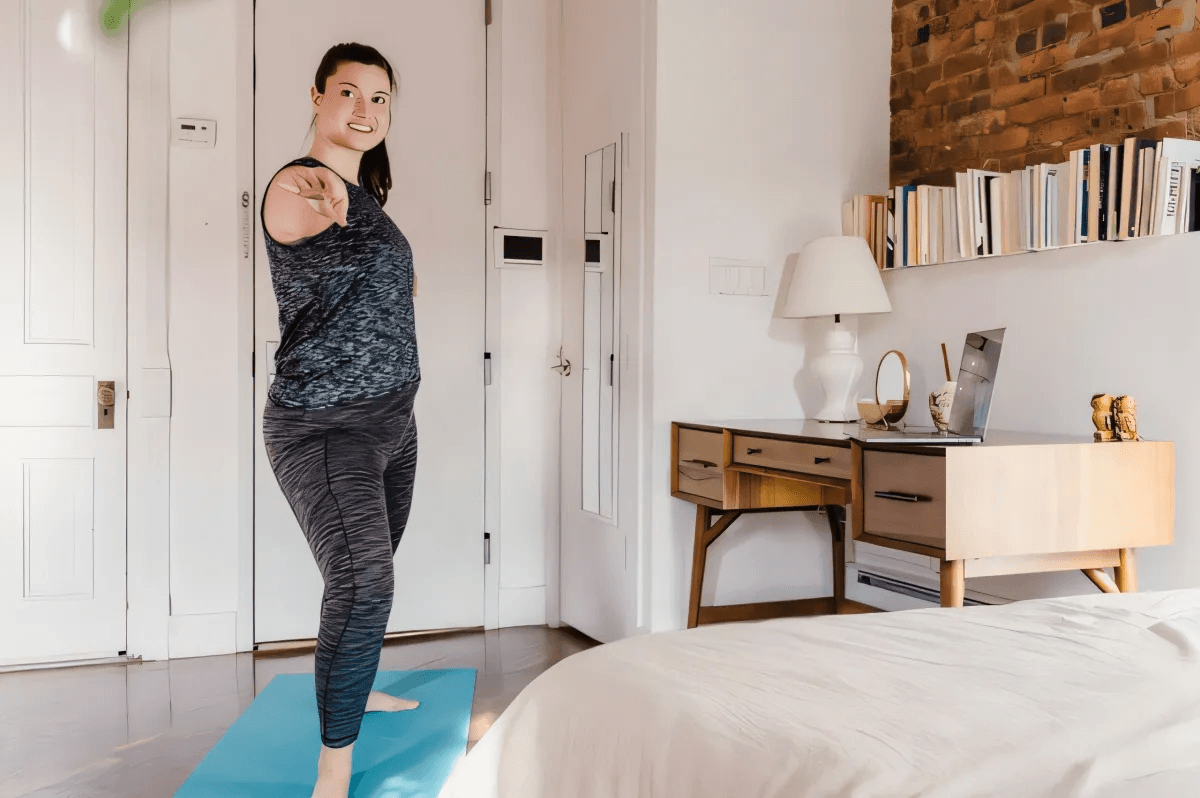
But since you're working from home, you probably don't have the time to commit to a full workout routine. Don't worry, sitting exercises can help too and there are plenty to choose from.
It doesn't mean that you're not getting any benefits from doing stretches while sitting, it's not about doing planks or push-ups. It's about getting your blood flowing.
So anything from arm circles to gluteal squeezes (we all know you're sitting down and your backside's numb, don't lie) will suffice. If your legs are falling asleep, extend them, do foot circles, get creative. Remember, focus on blood flow, not pushing your limit.
I exercise every day, but in total, my routine consists of two activities and the whole thing takes two minutes to complete. That's right. Two minutes. The trick? I work with my weight.
I use a kettlebell that's 1/4 of my weight and squat while holding it at chest level for 30 seconds. After that, I hang from a pull-up bar for 30 seconds with my shoulders down to increase my upper body.
I repeat the reps twice a day. If I feel like it and have the time I include farmer's walks and scapular pull-ups.
As you can see it's not about finding the hardest workout and sweating profusely but about doing moderate challenges that keep your blood flowing. Exercise is self-love, so go and do a couple of reps.
6. Make sure that you prioritize your own needs and self-care while you work from home
Image Source: Pixabay
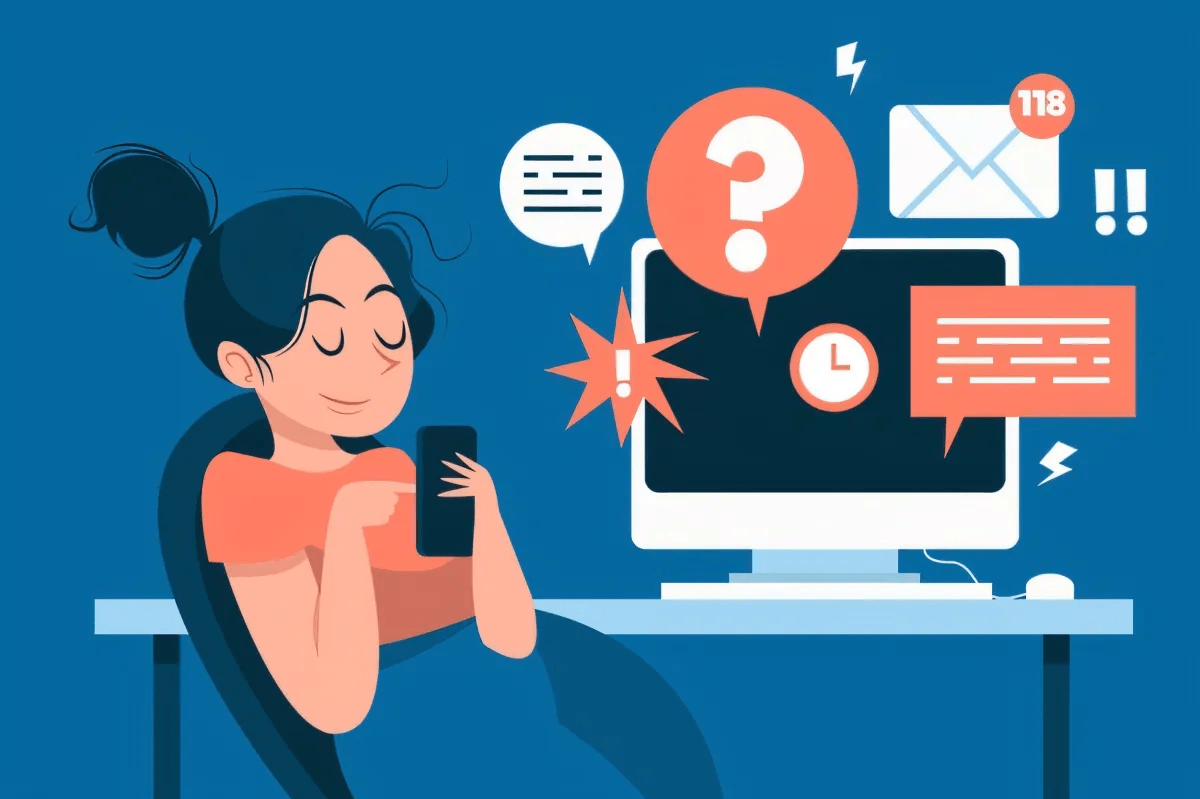
When we used to head to our offices to work we've always had 30 minutes or more to recharge on our way home. That was our time to exhale and distract ourselves from a busy day and prepare ourselves to face our family or chores.
But during the pandemic and working from home we can no longer do that. Once we turn off our working PC's we need to face whatever responsibilities are waiting for us.
This is why it's very important to prioritize your own needs and self-care. This doesn't mean you have to lie on the couch and watch TV all day.
It might sound tempting but if, for example, you're a teacher you can't afford to do that. I'm sure there are papers to grade, right?
So, what does it mean to prioritize? You can start by setting healthy boundaries.
It might feel tempting to give a student extra work if they're failing your class, but if that directly clashes with how much you can handle, don't do it. This advice doesn't apply only to teachers.
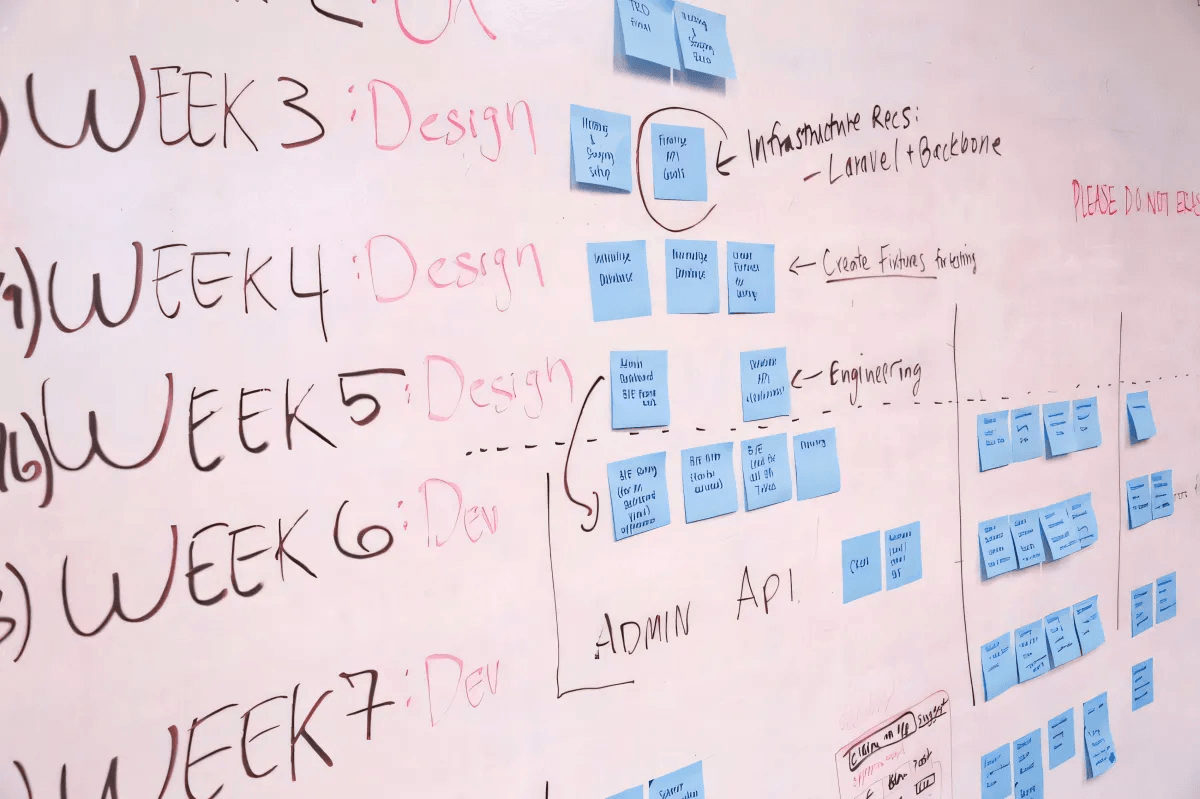
Don't bite off more than you can chew. Setting a schedule can help with maintaining your boundaries.
For example, you can say you'll take a five-minute break after you've graded three papers. If you can afford it, turn off your PC or lock the screen and move away from your work desk.
Set clear boundaries as to what will be included in your work life and personal one. Period. Don't try to multitask and juggle the two because that never works out.
I understand it's tempting to want to work late, after all, you're working from home and save significant time not having to commute. But really, don't do it.
Having a regular sleep schedule is way more important during this time. It's much better to wake up early to continue on your projects than to stay up late.
It's important to remember, prioritizing isn't being selfish or not caring at all about others. It's about recognizing how much you can control and handle and taking breaks when you're reaching your threshold level.
You're not a superhuman and you'll never be one, none of us will. So, if you feel stressed, prioritize your own feelings.
Nobody needs a mental breakdown, not you and not your workplace. So, commit to rewards and praises when you complete your projects, you deserve them.
If you were a manager you wouldn't drive your workers to their breaking point. So don't do that to yourself either.
I'm still learning to prioritize, I'm too used to multitasking and taking overtime. But I try to keep in mind that if I don't take care of my mental wealth no one will.
Nobody can read your mind and at times like these, you're the best person to take care of you. So go forth and prioritize.
7. Practicing Mindfulness helps you to be present at the moment and keep your anxiety in check
Image Source: Pixabay
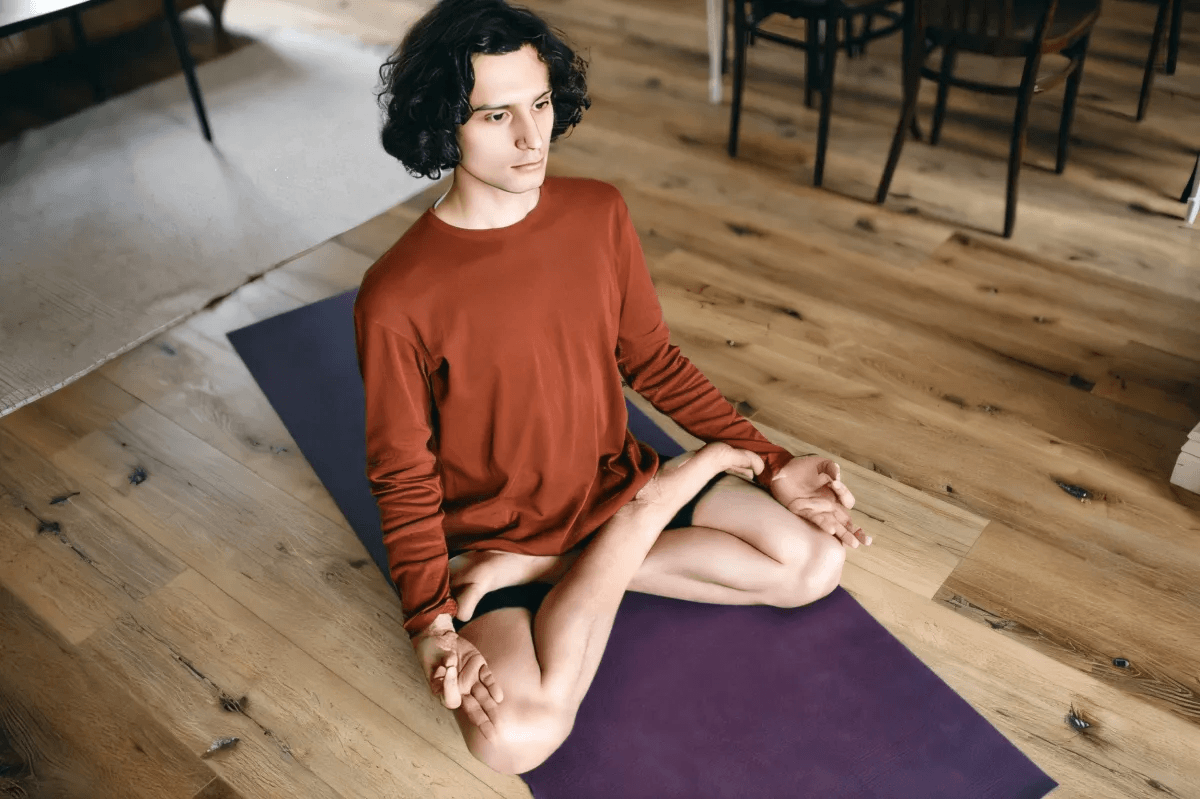
Mindfulness is a practice that psychologists encourage and not without a reason. Trust me you've plenty of time to practice some mindfulness on your break, you can do it while sitting down too.
You might've heard of mindfulness, but what exactly is it and how do you practice it? It means paying attention to your current surroundings and feelings, being aware of the here and now.
The good thing about mindfulness is that there's no right or wrong way to do it. Feeling anger, sadness, or nothing at all? Great. Be mindful of those emotions and let yourself feel.
The key to mindfulness is to be compassionate to yourself. Allow yourself to be present at the moment and to feel, no matter what it is.
There are many different ways you can practice it, you can play some relaxing music during it or not. Here are some ways to be mindful.
Sit up comfortably, close your eyes and focus on the present moment. Ask yourself three questions: what's happening now inside you, in your environment, and what are you feeling.
Or you could instead focus on your breathing. What does the air coming from your nostrils feel like? Is it hot or cold? How deep is your breath?
The interesting thing about the above mindfulness exercise is that often we actually forget to breathe. Think about it, how long have you gone without taking a nice deep breath?
If you notice this to be your pattern, perhaps, remind yourself to take deep even breaths throughout your day. Helps your focus and decreases anxiety.
How does mindfulness work on a science level? Research done in 2020 states that regular practices of mindfulness help fight inflammation, prevent depression relapse, and help with decision making.
Mindfulness also decreases activity in the amygdala, which is a part of the brain responsible for regulating fear. In the contrast, it increases the connection between the prefrontal cortex and the amygdala. Thus, making you less reactive to stressors and more resilient to handling them.
I've practiced mindfulness regularly during my psychology studies and I can guarantee, it does decrease your pulse. Try it.
Feel your pulse, complete a mindfulness exercise and test your pulse again. You'll be pleasantly surprised.
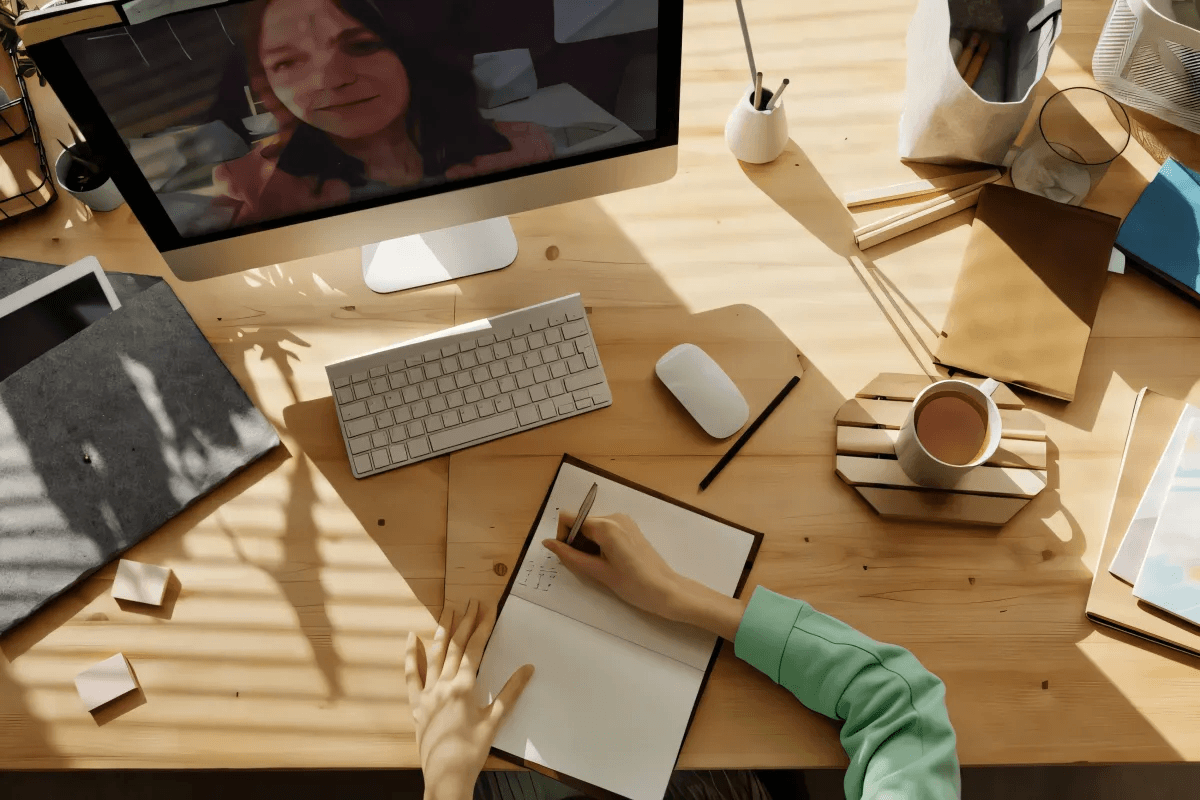
8. Socialize with your colleagues via zoom every day to learn something new
You might read this and think this part is impossible. Sure, socializing is undoubtedly difficult during COVID but not undoable.
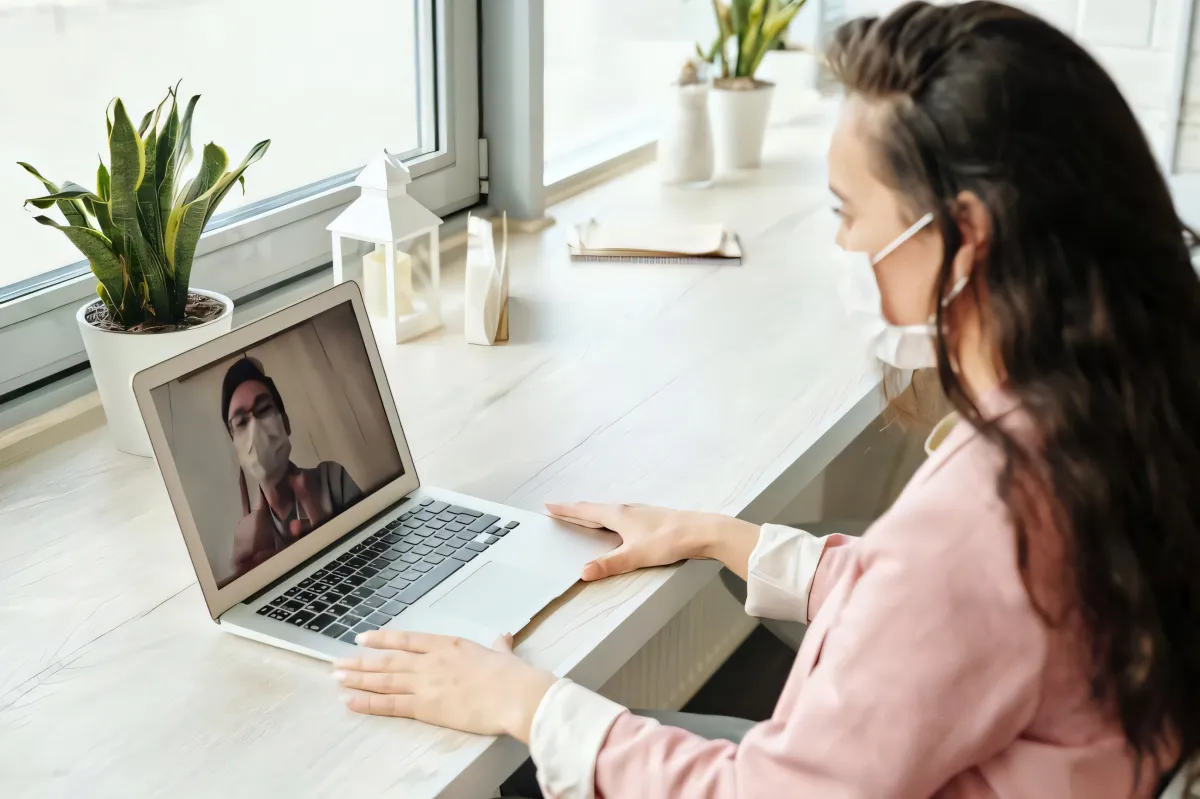
You might want to have a chat with your team leader and suggest some activities that you could do together with your coworkers to boost your spirits. Lately, Zoom Lunches have become a thing.
Some companies were willing to send lunchboxes to their employees who were working from home and they'd all connect via Zoom on their lunch break. It was like going to a virtual cafeteria.
You were able to see all your friends and coworkers and have a chat. That helped with the struggles of being alone while working from home.
It does recreate that feeling of community and who knows, maybe your friends have some news to share. I know I'll bring this idea up with my team leader.
It doesn't have to be that elaborate, however. My team suggested playing online quizzes during our team activities.
Most of the time there's nothing to discuss, so a quick game of Kahoots it is. It sounds super simple, but it's definitely fun and makes a difference to your workday.
Socializing is extremely important in our everyday life. We're social creatures and need each other's company. Why do you think solitary confinement is an actual punishment in prisons?
Keeping social diminishes loneliness and actually also helps sharpen your cognitive skills. By interacting with others we train our brain.
Think about it, when you socialize with your colleagues you definitely learn something new. We need this kind of stimulation and learning to keep our minds sharp and our memory fresh.
Don't be afraid to make suggestions to your manager. They might be thinking of ways to make the team more sociable themselves. Your ideas are helping.
9. Mind your finances
Image Source: Pixabay
During the pandemic, many people have found it tempting to buy a little self-indulgent trinket off Amazon or eBay. After all, it only costs £3, £5, £10, that's pretty cheap.
But how many times have those cheap purchases been made? Have they stacked up to a considerable amount in a month's time?
It's tempting to buy something that'll make us feel good, but keep in mind, that little trinket will only give you a short burst of happiness. That's why it's very important to keep your finances under control.
You don't have to have a lot of money to manage them or be good with them. All that's needed is to follow three simple steps.
Set a budget, create saving goals, and address your debts. But it's important to be consistent with following these steps.
Think of it as a domino. If one falls, the others soon follow, it's that easy to destroy your hard financial work.
If it helps you, keep a journal of all (yes, all) your spendings throughout the month. That'll include even the bus ticket you bought or the change you let your barista keep and, of course, the rent and bills you pay.
But if journals aren't your thing, try some apps like Plum. I'm sure you'll find more if you want, but Plum's the most trending one out there at the moment. I'm sure it's not without a reason.
Sometimes, when you see the numbers of how much you're spending it helps you stick to your goals. That's what I've done until I've found my full-time job and it really does help.
To add to that, if you've debts don't be afraid to reach out to some charities. Companies like StepChange or CitizensAdvice can make a great difference in your life to help you live debt-free.
Someone I know was thousands of pounds in debt because of their gambling addiction. StepChange cleared their terrifying debt in a matter of two months. So if you've got debt that's difficult to get rid of, hit them up and see what they can do for you.
What's another way to tend to your financial health? A good tip is to keep several jars for different savings purposes.
One jar will be for emergencies, for example, if you suddenly need to pay a large sum either for your rent or repairs. Another for saving up for long-term goals like buying a house and the other - for short-term goals like the trip to a holiday spot or a new outfit. If you're self-employed make an extra room for your retirement.
I follow the jar routine although I've only had one jar for emergencies. I've deposited 10% of my monthly paycheck into it and in a year's time, I've had over £1000 in that jar.
What have I done with the money? Recently, I've bought a kitten. He's super-cute and expensive. Start depositing, my friend.
Remember to set realistic goals. You most likely won't be able to save up a million in a month, so don't go there.
Be short-sighted when it's needed, try to save up for new prescription glasses, a new outfit for a special occasion, a new car, new items for your hobby. But keep depositing for your dream home too.
So don't delay on your financial plan and don't spend mindlessly. Instead, set small goals that you can reach.
Finances are stressful as it is, no need to make them doubly so during the pandemic. So grab that savings sheet or download your apps and figure out what you can afford in the nearest future.
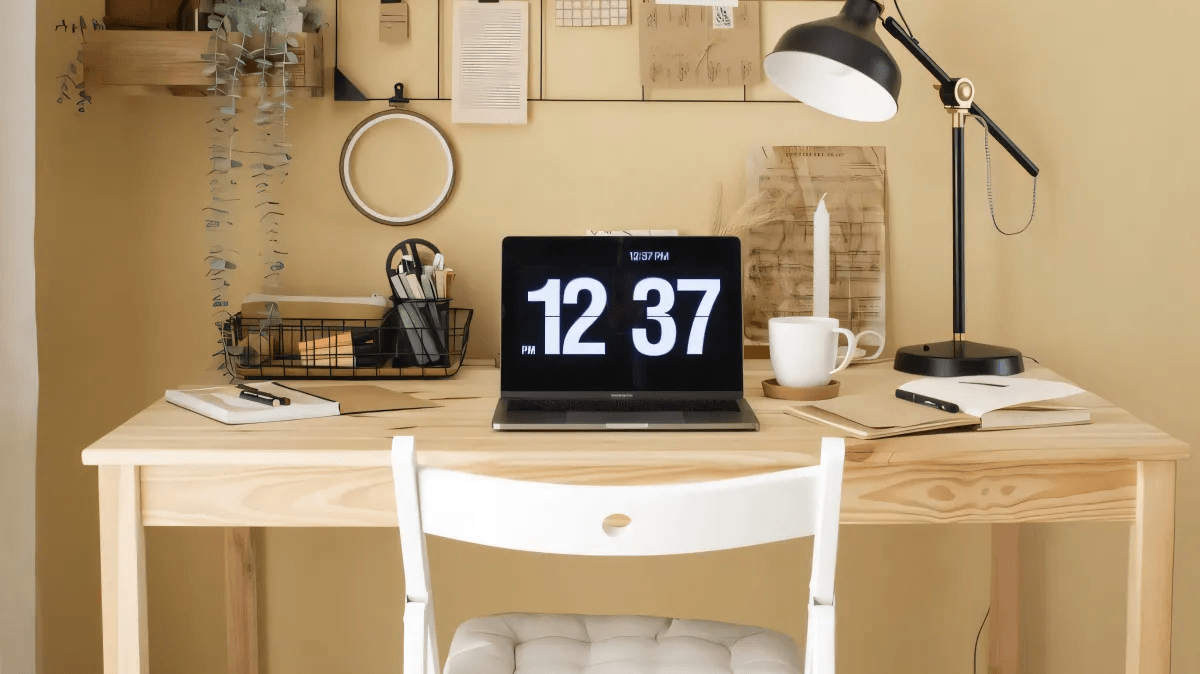
10. Declutter your workspace
Image Source: Pixabay
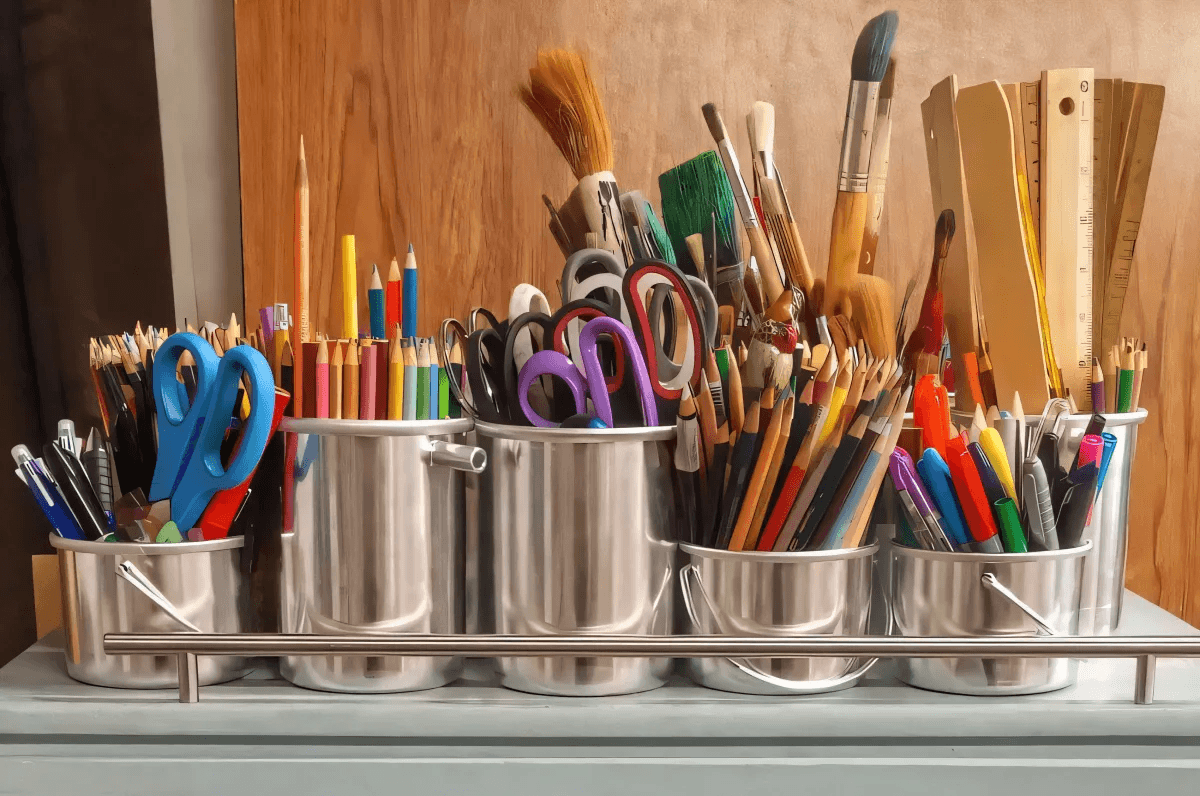
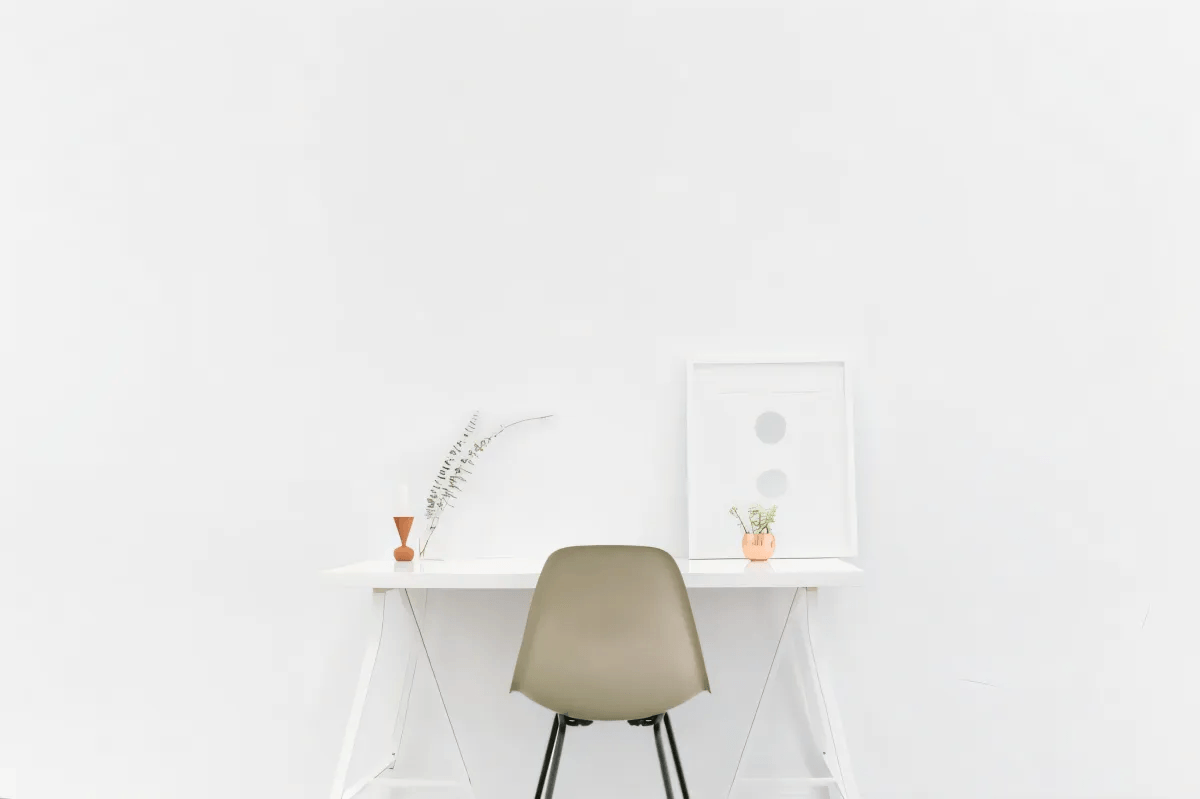
Now that you're working from home you're spending 80% of your day at your desk. Ask yourself this, would you spend your day at a messy place and try to work while all crammed up and uncomfortable, barely moving so you don't push off that cup of coffee off the table? Of course not.
The benefits of keeping your desk tidy are that you'll be more productive and may actually create a state of flow. It's a state where you feel like you're flowing through your workday and don't notice time flying by.
Your desk can be a nasty place when you don't take care of it. That being said, some mess is actually a sign of creativity but don't let it get too creative.
When your desk's full of clutter it can get distracting and make you feel as if your surroundings are more stressful than what they actually are. There are several steps you can take to keep your desk tidy.
First, make sure you have everything work-related on your desk. If there are too many papers, put them all in a folder.
If you've something of sentimental value on your desk to decorate it, make sure it's not distracting you too much. It's easy to look at a family photo and start reminiscing on all the good memories you've had instead of doing your work.
If you've any dirty mugs on your desk, get rid of them as soon as you finish your drink. Don't let them pile up.
Honestly, the coffee smell will only make you want to get more coffee and not do your job. I should know.
Also, don't forget to sort out those cables! Those wires can be a pain.
Soon you'll find your mouse is intertwined with your headset and you have to get in a yoga position to make your keyboard type. Been there, done that, not my proudest moment.
Thus, to avoid embarrassment, as soon as you can do so unplug all the wires from your modem, uncoil them and plug them back in suitable order. Alternatively, you can buy some cable clips and that'll also help you keep those wires straight.
Finally, if you've used something for your work that you no longer require (like a script, a pen, a book) put them away. It's tempting to keep them on your desk in case you'll need to use them again, but the truth is you most likely won't.
It seems like such a small thing but it's the small ones that often lead to burnout. Besides, if you'll need to use them again, you know where to get them. No point in piling items up on your desk and making it messy.
Hopefully, these tips have been helpful. Keep taking care of yourself and don't forget to take a break.
Sometimes, doing nothing all day is also a form of self-care and if you feel like it, go forth and do nothing. Obviously, you don't need to follow every single step on this list, unless you want to.
But these are the most effective ways to keep your self-care routine beneficial for yourself. I wish you all the best and top-tier sanity during these testing times.
Trust me, I felt the same way about gratitude at first. Start small - just one thing a day. It gets more natural over time and really does shift your perspective.