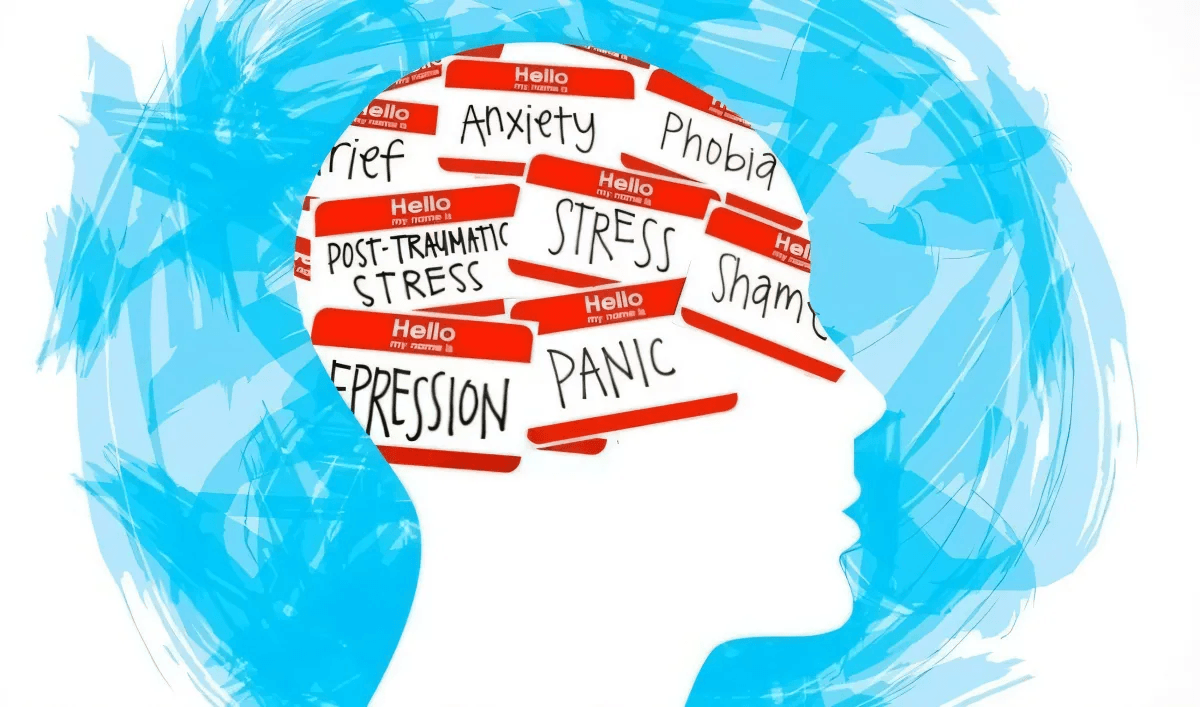
Reframing Your Mindset About Self Care

Self care needs to be prioritized immediately. The benefits and what it can do to change your life in a positive direction are too immense to ignore.

Self-care has been misconstrued over recent years. It began as an idea to complete medical treatments on oneself to reduce the amount of work for healthcare professionals. So, to recognize symptoms and act accordingly when feeling sick. With this in mind, it allowed for individuals to stay in touch with their own bodies and to treat themselves when possible. 

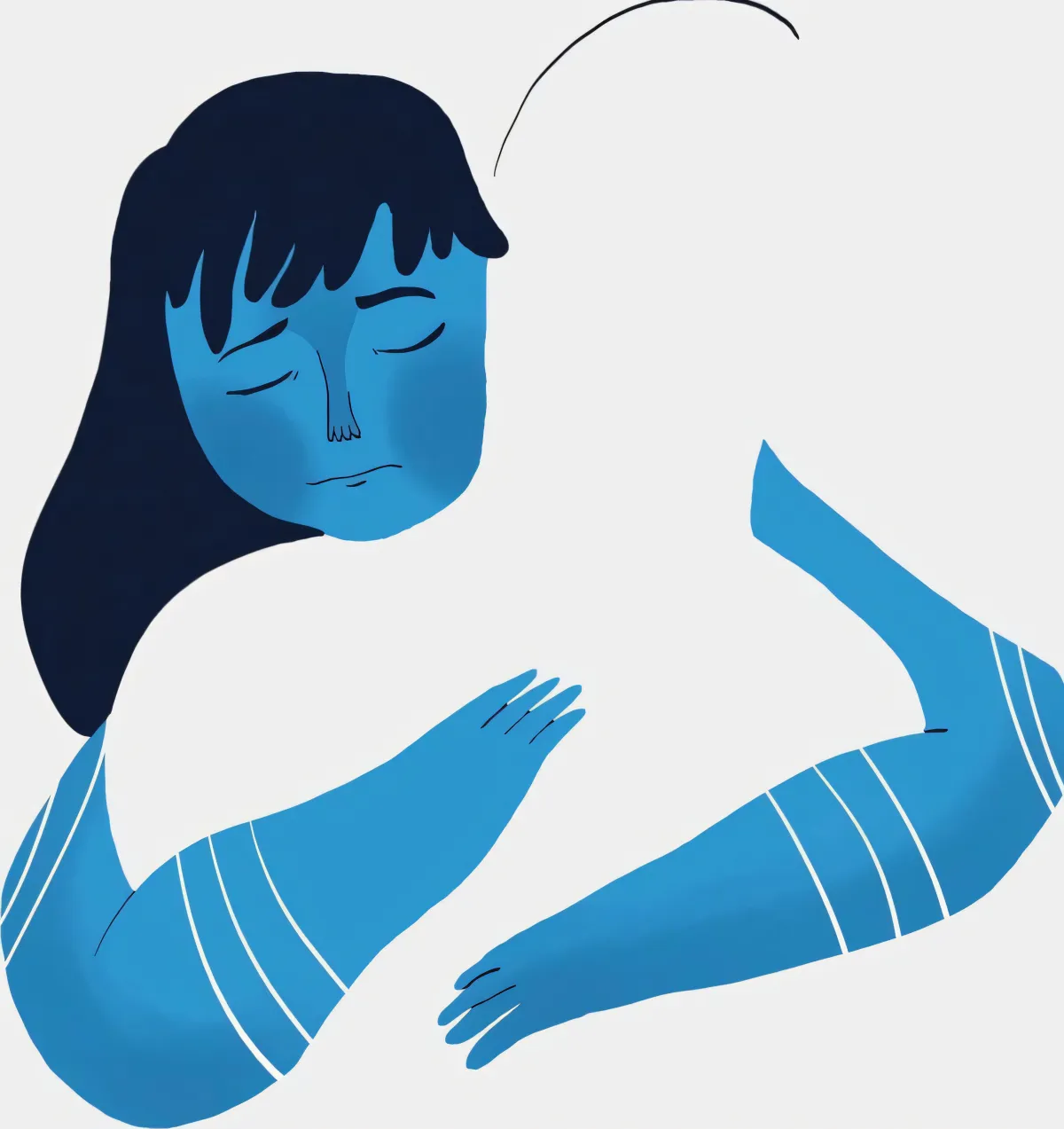
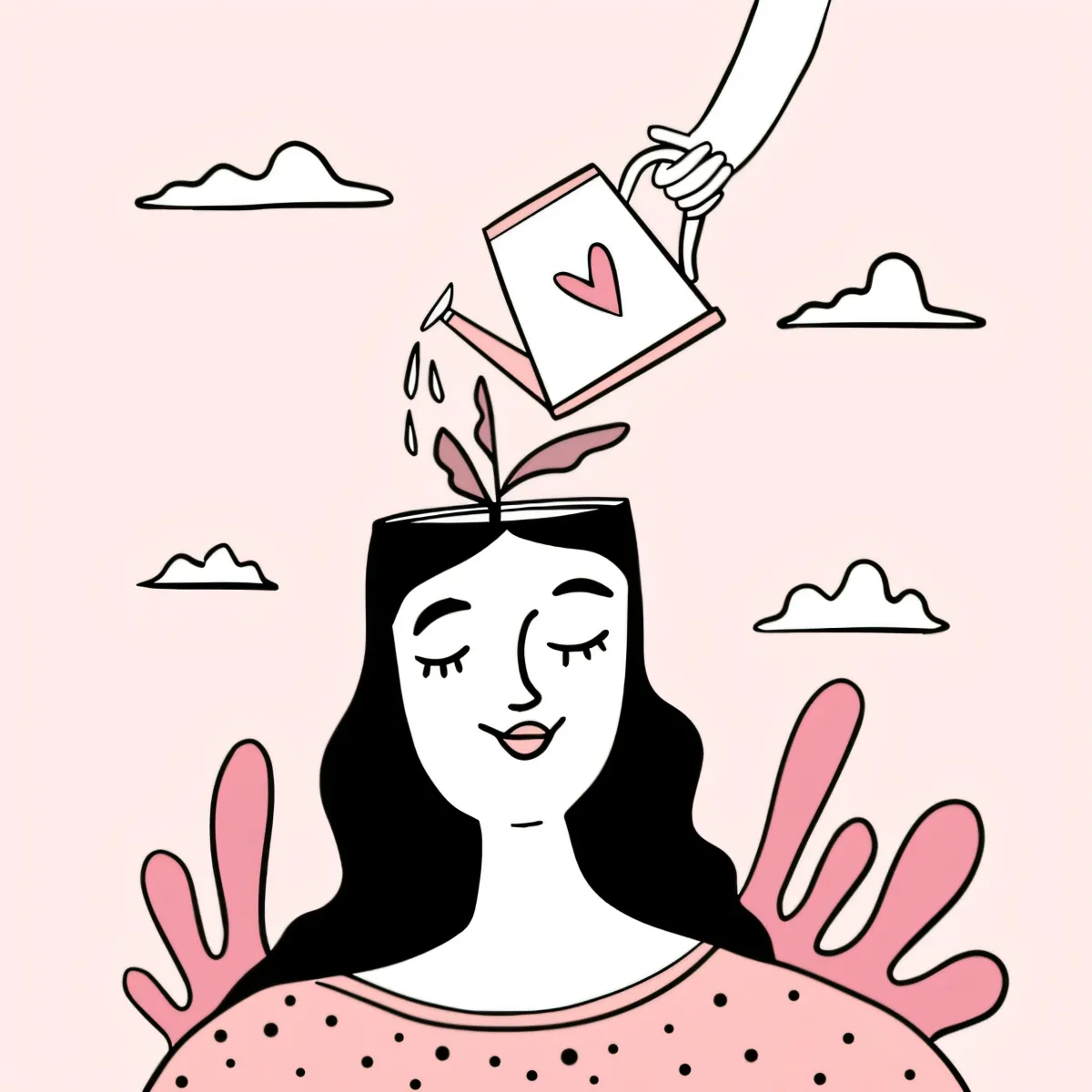
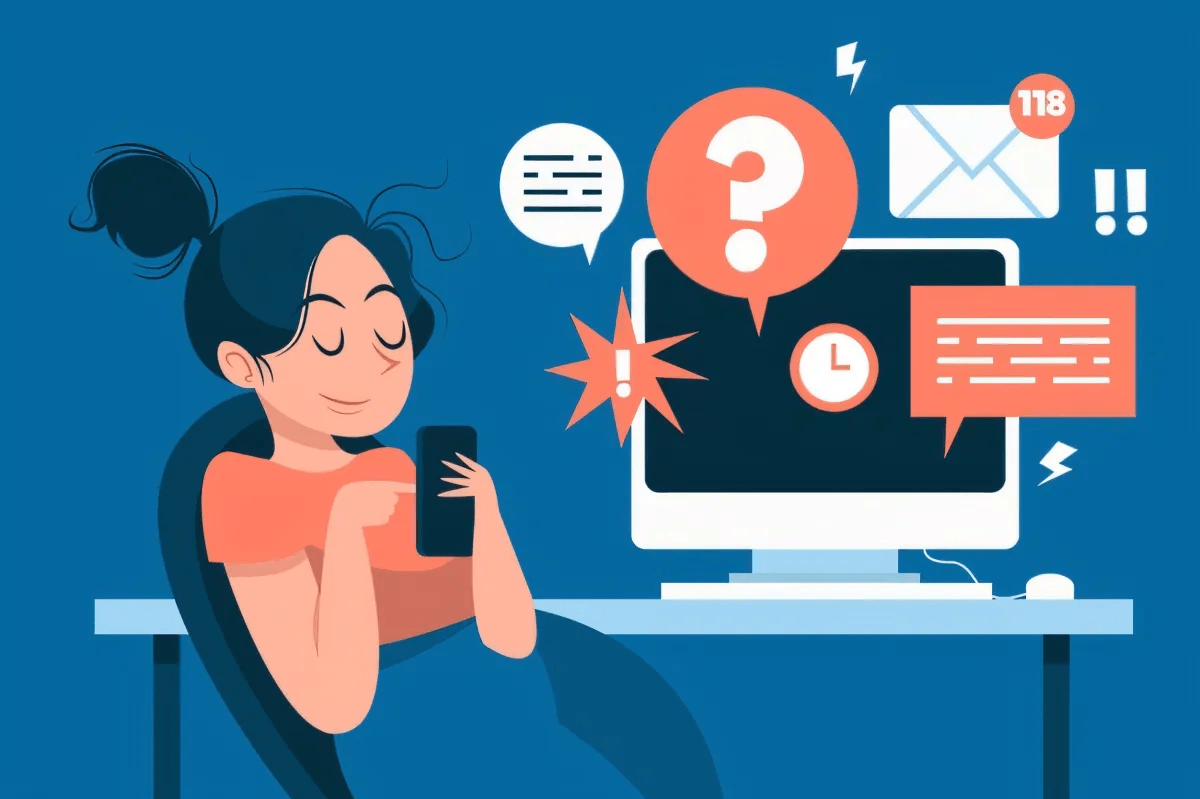
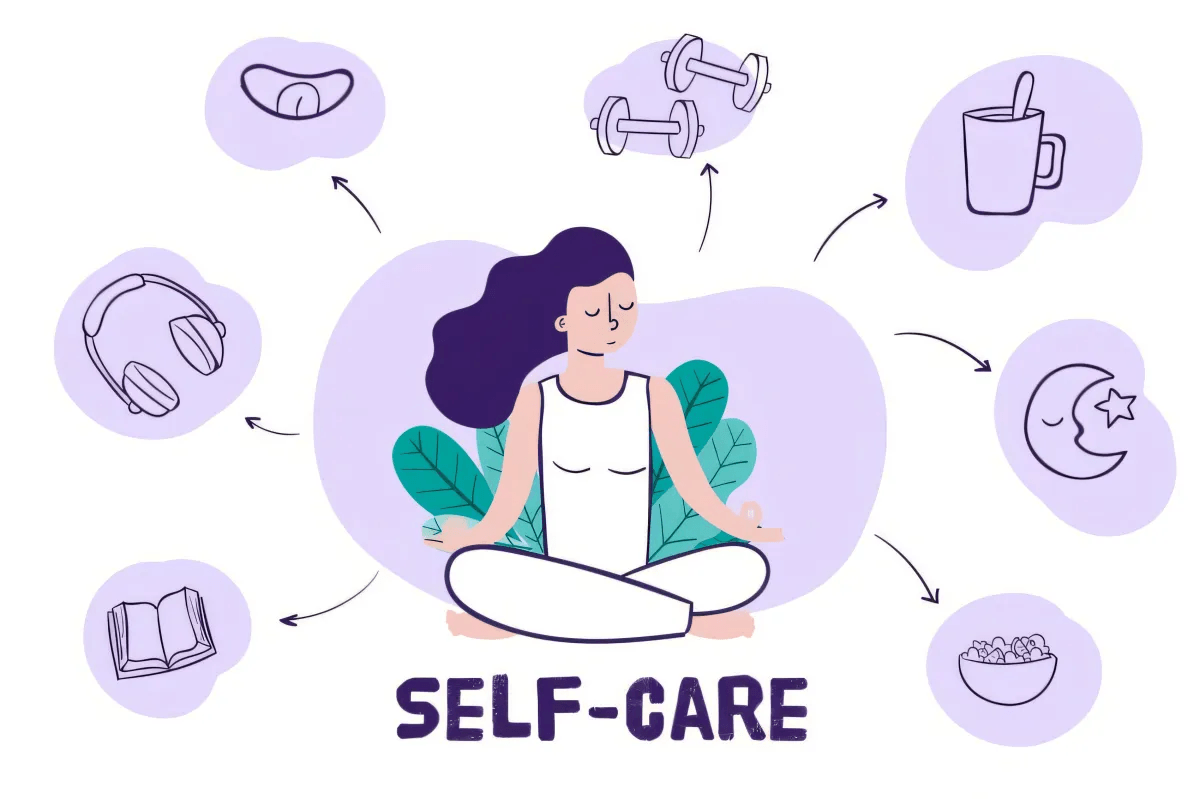
practicing self care
Image Source: California Coalition for Youth

Now, the idea of self-care transitioned into taking care of oneself for mental wellness and happiness. This new definition reflects how people have become more knowledgeable and interested in their own minds. Showing us all how important it is to keep a healthy mental state.

The definition of self-care is the act of taking care of oneself for one's own physical and mental well-being. 

Even though the definition has changed over the years the concept is the same. Taking care of oneself is just as important now as it was in the past, maybe even more important today. 

The Stigma of Self Care

Even though self-care is structured to be a way to take care of oneself, a stigma is attached to it. The mentality of enduring to succeed, always being productive, and work with no rest, kills the idea of self-care. As important as it is to realize that hard work pays off, too much work can do even worse for someone. 

Overworking oneself leads to less productivity. In a world that doesn't stop, it is expected to always be on call. Never having the time or opportunity to rest has been proven to increase anxiety, cause depression and even become sick. That is where self-care comes into play.

 It is not, and should not be considered, weak to need a break every once in a while. Can an empty glass quench one's thirst? The same applies to a person. Once exhausted, a person dramatically decreases productivity. By helping yourself, you can give more on a daily basis. 

The Guilt Attached to Self Care

Not working or being productive puts stress on our minds and causes guilt. But why is that?

The idea of self-care is seen as selfish. When a person is helping themselves, they can't help anyone else. That statement by itself is true, only if the selfishness of that sentence is taken away. Remember the saying, "Secure your own first before helping others." We have all heard that countless times. On an airplane, if a situation arises where excess oxygen is needed, we are told to secure our own masks before helping anyone else. 

We have been told that over and still don't understand it. What would happen if you secured someone else's mask before your own? You might not get a chance to find out. Apply this concept to yourself and tend to your own needs before others. What this does is allow someone to better treat and take care of someone else because they are now feeling better themselves. 

Don't think of self-care as selfish and don't be guilty of tending to your needs. In the end, it benefits everyone.

Revise What Self Care Means to You

We as a society need to understand that our bodies are important. Without them functioning correctly even the trivial tasks become colossal. What needs to change?

The idea of self-care can be cumbersome. Taking time out of every day to relax, reflect, or just take a break may seem like an impossible task. That creates a sense of hesitation, which then becomes the opposite of what self-care attempts to do. Self-care is not forceful in nature and only tries to help, so accepting that idea is the first step.

Start slow. The pace of everyday life is as fast as ever, so asking you to take time out of every day is too much. The solution, listen to your body. If you can work nonstop all week before getting exhausted, more power to you, but once that exhaustion hits tend to yourself. 

Additionally, self-care can be anything. Anything that refreshes your body and mind, but be careful because when I say anything I don't mean activities that could lead to feeling worse in the future. Things like drinking and smoking and coping mechanisms for a lot of people, but be cautious when using that as your coping mechanism because they help at the moment. Although having a drink after a long day is completely fine, I do this myself. 

Why Practice Self Care Now

Now more than ever self-care needs to be implemented into routines. With the presence of COVID mental distress was at a high. As a result, people began showing signs of anxiety and depression. 

Self-care is a method designed to take care of oneself physically and mentally. As I mentioned above, it is an actual device that people used in the past to self-treat themselves by evaluating their symptoms and health conditions. This is important and can help.

By knowing what you need on a daily or weekly basis, the stress of life can lessen and the burden of pressure will decrease simply by tending to your needs. Prioritizing oneself can not be overstated.

Speaking from experience, I did not always practice self-care. Actually, I didn't even care enough to try. I lacked plenty of things, but the biggest was self-confidence and love for myself. I thought of myself as a burden and treated myself accordingly. I didn't think I was enough and because of that I simply went through the motions. 

A lot of things contributed to who I am now, but one of the biggest was to practice self-care. I started listening to myself and taking care of my needs appropriately. Yet, the largest change occurred when I began to shift the way I thought about myself.

Becoming Your Own Best Friend

The most vital idea of self-care is how you talk and think to yourself. As important as taking care of your external exhaustion and physical health is, everything begins with the mind. 

The idea of karma is that the actions of the individual come back to that person. Think of it as cause and effect. If someone does a good deed will happen to them. The same principle applies to thoughts.

If a person thinks negatively they act negatively. That cycle can drown a person into negative thoughts and emotions. How one thinks and thinks about themselves is a very effective way to use self-care.

For example, If you constantly bring yourself down by saying things similar to, "Why would you do that?' or "What were you thinking?" it creates a negative emotion in your mind. Self-care begins and ends with you. Begin with talking to yourself as a best friend by supporting yourself. Change those thoughts to, "Here's how I could do better next time." or "What could I do differently in the future?" 

That transition will allow you to feel better internally. What that does is focus our minds on something that is not negative. Basically reframing our way of thinking. 

What Research Says About Self Care

According to an article, "Self-Care in Health," it was found that self-care increases the well-being of a person. It can reduce the amount a person has to rely on professional care and can overall lead to a healthier life.

How Can One Implement Self Care Into a Routine?

Star slow! I can't stress this enough. Don't pressure yourself to practice self-care. Once it becomes an obligation it is not self-care anymore. It is one more chore to tack onto the ever-growing list of things to do. 

It doesn't have to be every day. Again start with something manageable and set reasonable goals for yourself. Most of the time in the beginning everyone is all gung ho about how they will take care of themselves for large amounts of time every day, but that becomes cumbersome very quickly. Then goals aren't met and it is back to the old routine. I want you to start tending to your needs and to do that to make self-care exciting.

In the beginning, find something you like to do. Whether it's playing sports, taking a bath, going for a walk, it doesn't matter. Make it something you want to do. That is the most important thing. Self-care by itself may seem appealing, but actually putting it into practice can be boring and overall just not fun. So, it is your job to make it fun by doing something that you enjoy and prioritizing that activity.

Start with one day a week. Whether it's the middle of the week, beginning, end, or somewhere in between. Take one day to do that one activity you have been wanting to do. Drag a friend to join you or even better do it alone and face it by yourself. 

Starting with one day a week makes self-care manageable and becomes something to look forward to. Isn't it easier to work through a tough day knowing how exciting the night is going to be? It is because all of the hard work pays off in that moment of fun. Make self-care like that and it quickly doesn't even feel like self-care. Just a normal part of the routine.

After a while add something else. A quick walk alone, meditation, reading outside, and slowly but surely self-care will become a regular part of your routine.

For me it's sports. I learned quickly that if I don't sweat out some of my excess energy by playing sports I get very antsy and can't focus as well as I want to. So, once a week I either play basketball by myself for a couple of hours or play volleyball with some locals I met. Having that one day a week makes my life more manageable and fun. 

Self-care is the act of taking care of yourself. It is a way to keep your body and mind healthy. 

The fast pace of daily life is catching up to all of us. It is our job to allow ourselves to thrive in this environment. To be able to do that prioritizing ourselves is of the utmost importance.

730
Save

Opinions and Perspectives

This article has motivated me to create a more structured self-care routine. Starting tomorrow with a morning walk.

5
VincentC commented VincentC 3y ago

Setting boundaries has been the most important form of self-care for me. It's hard but worth it.

1

The connection between physical and mental self-care is stronger than most people realize. They really go hand in hand.

3

After reading this, I realize I need to stop apologizing for taking care of myself. It's not selfish, it's necessary.

8

Small daily acts of self-care add up to big changes over time. It doesn't always have to be grand gestures.

3

The part about empty cups really struck me. I've learned that helping others is easier when I'm taken care of first.

2
AllisonJ commented AllisonJ 3y ago

I think the article could have addressed how self-care changes during different life stages. What works now might not work later.

6

The workplace culture needs to change. We shouldn't feel guilty about taking mental health days.

4
IvyB commented IvyB 3y ago

This reminds me of how different self-care looks in various cultures. Western views can be quite individualistic.

2
Layla commented Layla 3y ago

Been practicing self-care for years and can confirm it gets easier with time. The key is finding what truly works for you.

7

I love that this article emphasizes the importance of mental self-talk. It's something we often overlook.

6

True self-care is sometimes doing the hard stuff like setting boundaries or having difficult conversations.

2
Evelyn commented Evelyn 3y ago

Making self-care fun is key. Once I stopped seeing it as a obligation, it became something I looked forward to.

1

Since reading this I've started asking myself what I actually need rather than what I think self-care should look like.

4

The article's point about self-care becoming a chore really hit home. I was turning it into another source of stress.

7

I've found journaling to be an amazing form of self-care. It helps me process thoughts and track my progress.

8

The emphasis on personal pace is crucial. I burnt out trying to follow someone else's self-care routine.

4
Carly99 commented Carly99 3y ago

Finally, an article that acknowledges self-care isn't just about bubble baths and face masks! It's about genuine well-being.

8

I wish schools taught this stuff. Imagine how different things would be if we learned proper self-care from an early age.

3

The comparison between past and present definitions of self-care is eye-opening. Both physical and mental aspects are equally important.

2

This article made me realize I've been doing self-care all wrong. I was focusing too much on external activities rather than mental well-being.

6

Learning to listen to my body was a game-changer. Now I can tell when I need to slow down before I hit complete exhaustion.

4

The section about karma and positive thinking is spot on. I've noticed my outlook affects everything in my life.

7

I find it interesting how self-care needs vary so much from person to person. What works for one might be stressful for another.

8

Anyone else feel like their self-care routine went out the window during the pandemic? I'm still trying to get back on track.

2

The guilt factor is so real. I still struggle with feeling selfish when I take time for myself, even though I know it's necessary.

4

What about those of us who can't afford traditional self-care activities? We need more discussion about accessible options.

6
MikaJ commented MikaJ 4y ago

I noticed my productivity actually improved after implementing regular self-care. Funny how taking breaks makes you more efficient.

0
Chloe commented Chloe 4y ago

The part about sports as self-care really spoke to me. Physical activity is my go-to method for maintaining mental balance.

4

Sometimes I think we overthink self-care. It can be as simple as getting enough sleep or drinking water throughout the day.

8

I appreciate that the article acknowledges drinking isn't real self-care. We often confuse coping mechanisms with genuine self-care.

5

The article's point about COVID increasing the need for self-care really resonates. The pandemic showed us how crucial mental health is.

6

Interesting perspective on reframing negative thoughts. I've been working on this and it's challenging but worthwhile.

0

The stigma around self-care in professional settings is still very real. My workplace sees it as a lack of commitment.

7

You know what really works for me? Treating self-care as non-negotiable, just like brushing my teeth or showing up for work.

6

My problem isn't understanding self-care, it's implementing it consistently. Any tips for maintaining a routine?

2

The research findings about reduced reliance on professional care are interesting. I've noticed I get sick less often since prioritizing self-care.

4

Does anyone else feel like social media has warped our view of self-care? It seems like everything has to be Instagram-worthy now.

6

The part about becoming your own best friend is crucial. We're often so much harder on ourselves than we would be on others.

0

I totally get what you mean about the balance. I've found that scheduling self-care like any other important appointment helps me stick to it.

1

Starting slow definitely worked for me. I began with just 10 minutes of meditation daily, and now it's an essential part of my routine.

6

Anyone else struggle with the balance between productivity and self-care? I find it hard to justify rest when there's always so much to do.

6

This article really opened my eyes about the guilt associated with self-care. I never realized how much I was apologizing for taking time for myself.

2

Actually, I disagree about starting slow. I found diving right in with a complete routine worked better for me. Sometimes you need that full reset.

5

The point about negative self-talk resonates deeply with me. I've been trying to be kinder to myself lately, and it's making a real difference in my daily life.

1

While I agree self-care is important, I think the modern interpretation has become too commercialized. It's not all about spa days and expensive treatments.

4
Jayden commented Jayden 4y ago

The airplane oxygen mask analogy really hit home for me. I've always felt guilty about taking time for myself, but you can't pour from an empty cup.

3

I really appreciate how this article reframes self-care from its medical origins to today's mental wellness perspective. It's fascinating to see how the concept has evolved over time.

8

#Related

5 Wellness Tips To Survive Social Distancing

The pandemic forced the entire world to adapt to new sets of rules, following social distancing measures, self-isolating when traveling, and respecting provincial and feral laws surrounding your social bubble. The entire world has to adapt to the “new normal” until the coronavirus isn’t a threat to society anymore. Fear and anxiety about what could happen can be overwhelming and cause strong emotions in adults and children. Public health actions, such as social distancing, can make people feel isolated and lonely and can increase stress and anxiety. With that being said, you must be tired of hearing the impact of covid on our daily life.

5 Wellness Tips To Survive Social Distancing by Camille Chazalon
725
Save
NidhiSingh
lifestyle · 6 min read

4 Tips To Lose A Fight, With Your Outrageous Outer Look To Your Inner Self

Beauty has always been measured inside a very narrow frame. But in reality, the actual potential of beauty is much broader than anyone could ever think of. Beauty is not about all shimmer, brighter colors, and perfection. True beauty stands with the color. Here are the tips to feel confident and beautiful in your own skin. It is imperative to love yourself and embrace what you have. Knowing your own personality and factors which make you unique from others is really the reason to be happy about yourself. This era of digitization might be able to connect everyone digitally but it’s really tough to connect from one’s inner self.



4 Tips To Lose A Fight, With Your Outrageous Outer Look To Your Inner Self by NidhiSingh
516
Save
Lashay Deloach
wellness · 7 min read

Easiest Ways To Boost Your Self-Confidence For Young Women

Is your lack of confidence taking over your life? If so, it's time to boost your self-confidence and experience joy in your life! Life is too short to be unhappy because of your lack of confidence. When you have high confidence, you can tackle any obstacle! You'll feel confident about your imperfections, talents, and you'll think more positively about yourself. With high confidence, you can also build healthier relationships with others. With high confidence, you are willing to try out new things and overcome any fears! Now since we've talked about all of the great things associated with having high confidence, let's get into simple things you can do to build your self-confidence.

Easiest Ways To Boost Your Self-Confidence For Young Women by Lashay Deloach
616
Save
Emily Zane
lifestyle · 7 min read

8 Reasons Why We Need To Change Our Inner Dialogues Right Now

How often do you catch yourself saying something negative about how you look, something you’ve done, or something you’ve said? Chances are it’s pretty frequent. Self-criticism is the umbrella over all the mean, harsh things you say to yourself about who and what you are. To be self-critical means that you talk to yourself in a way that is negative and cruel, and while your intention may be good, the outcome rarely ever is. This talk track manifests toxicity and is a breeding ground for self-hatred. We are often critical of ourselves in order to force growth and development. We aren’t content with how we are, and we take charge of the discontent by mercilessly criticizing ourselves and our actions, attempting to create the change we desire.

8 Reasons Why We Need To Change Our Inner Dialogues Right Now by Emily Zane
748
Save
Emily Zane
lifestyle · 11 min read

How To Build Your Confidence In 12 Straightforward Ways

Think of that person you know, the one we all know. He or she exudes an air of certainty, carries themselves with determination, and lives in a way that portrays spirit and tenacity. We all know someone like this, and we aspire to be like them. These are family members, friends, coworkers, neighbors, bosses. Whether it’s you or someone you know, we can all zero in on that someone we’ve come across in our lives who is the epitome of self-confidence. Believing in your abilities, trusting in yourself and your potential, and having faith in your performance and skillset are all characteristics of self-confidence.

How To Build Your Confidence In 12 Straightforward Ways by Emily Zane
231
Save
Emily Zane
lifestyle · 15 min read

18 Ways You Can Take Care Of Yourself Today, This Week, And In This Moment

Throughout the monotony of everyday life, the difficulties and challenges we regularly face, and the mounting stress that is often a byproduct of being an adult, we tend to push self-care aside and opt for instant gratification and immediate relief. We don’t take proper care of ourselves anymore in this obstreperous world, and we instead allow the busyness and unpredictability of life to expropriate the care and nurturance we are entitled to provide ourselves with. Taking care of yourself means that you are providing for your needs in ways that are conducive to enhancing your physical and mental wellbeing. In order to live a fulfilling life, we must satisfy our earthly needs as well as our inherent ones.

18 Ways You Can Take Care Of Yourself Today, This Week, And In This Moment by Emily Zane
896
Save
Emily Zane
wellness · 8 min read

The Five Key Reasons Why You Have A Low Sense Of Self-worth

Self-worth is a concept that’s gained traction and notoriety over the years, increasingly so with the wave of self-care that’s impressed itself upon society by the Millennial and Gen Z generations. We see ads and commercials imploring us regularly to practice appropriate self-care in order to fuel and nurture our self-worth, but before buying into the message, we first need to examine what it means to have self-worth. Before we can dive into the reasons why someone’s concept of self-worth may be lacking, we must first explore and define the term itself. Self-worth is the way you view yourself; it is how you see your value and worth in the world.

The Five Key Reasons Why You Have A Low Sense Of Self-worth by Emily Zane
745
Save
Emily Zane
wellness · 6 min read

The Number One Thing To Keep In Mind When It Comes To Your Self-worth

Social media is constantly throwing the term “self-worth” at us from every direction on a daily basis. We see it in our Instagram newsfeed, we see it trending on Twitter, and we see it highlighted through shared links and content on Facebook. When we think about self-worth, self-care typically comes to mind. Our minds drift to bubble baths with fizzy bath bombs, face masks that penetrate our pores, pampering manicures and pedicures, and indulgent massages that leave us feeling whole and rested. While these acts are only a single facet of self-care, they don’t necessarily fall under the category of self-worth. These two words may belong to the same family, but they are not interchangeable.

The Number One Thing To Keep In Mind When It Comes To Your Self-worth by Emily Zane
102
Save
Emily Zane
wellness · 10 min read

The Top 10 Ways You Can Embrace And Celebrate Who You Are

From our earliest childhood memories to the times in adulthood that leave the deepest impressions on us, society has seemingly written our story for us. Society’s story unfolds in a way that is often out of our realm of control. It is written time and time again that unless we fit a certain mold, we are worthless. Unless we look or act a certain way or come from a certain background, we are different, weird, and unworthy of care and attention. Society tells us what we are, and then society tells us what we should be and what we should strive for, pointing out all our flaws and imperfections along the way.

The Top 10 Ways You Can Embrace And Celebrate Who You Are by Emily Zane
920
Save
Emily Zane
wellness · 10 min read

14 Self-empowering Beliefs That Will Strengthen Your Self-identity

As children, we are each taught stories that are unique to us; we are told who we are, what we are, where we’re going, what we’re going to measure up to, who we will be. As children, we are young, malleable, thirsty sponges that soak up the things we’re told. Many of the details that make up these stories are determined by our parents, guardians, culture, demographic, or life circumstances. Our environments and the people in our environments impress their beliefs of who and what we are upon us. Everyone begins life as an infant with an infant brain that develops with time and experience. We start with absolutely zero knowledge of ourselves and the world around us; we absorb the information fed to us and we trust that those older and wiser truly are wiser.

14 Self-empowering Beliefs That Will Strengthen Your Self-identity by Emily Zane
687
Save
Emily Zane
wellness · 6 min read

How To Identify Your Core Beliefs About Your Self-worth

We’re here to talk about all things self-worth, from what it means and how to define it, to how it presents itself, why self-worth looks different for different people, and we’ll explore the reasons behind why we believe the things we believe about ourselves and how those beliefs got there. If you have access to social media and use platforms like Instagram, Twitter, TikTok, etc.; if you watch network TV programs or stream popular shows on Netflix and Hulu; if you flip through lifestyle magazines while waiting at the doctor’s office, chances are you’ve at the very least seen or heard the term “self-worth.”

How To Identify Your Core Beliefs About Your Self-worth by Emily Zane
338
Save
Eglant Hoxhulka
wellness · 15 min read

How Is Your Mental Health Linked With Your Physical Health And Vice Versa

What is mental health? According to World Health Organization (WHO), mental health is defined as "a state of well-being in which the individual realizes his or her abilities, can cope with the normal stresses of life and develop his full potential, can work productively and fruitfully, and can make a contribution to his or her community." It is totally normal for mentally healthy people to also feel sadness, anger, or unhappiness, which are the core components of a meaningful life. Nevertheless, a good state of mental health quite often is considered as a positive state of mind, filled with happiness, and being in control over the situation and environment.

How Is Your Mental Health Linked With Your Physical Health And Vice Versa by Eglant Hoxhulka
525
Save
Eglant Hoxhulka
wellness · 12 min read

How To Help A Family Member Through A Stressful Life Situation

Stress is an undeniable fact that plays a crucial role in our life, an unavoidable reality we have to accept if we want to live our lives meaningfully. It is a normal part of our lives, we deal with it every day. According to the NIMH National Insitute of Mental Health, stress is the way our body reacts to any demands. It comes in many different forms, amounts, and situations. People experience stress differently from one another. Stress may be triggered by small events, like traffic jams, a long line at the store, or it can be the outcome of a crisis or big change in life like the death of a loved one, divorce, the pandemic, etc.

How To Help A Family Member Through A Stressful Life Situation by Eglant Hoxhulka
723
Save

Publish Your Story. Shape the Conversation.

Join independent creators, thought leaders, and storytellers to share your unique perspectives, and spark meaningful conversations.

Start Writing